Smart Mattress Sleep Technology: What I Learned After Spending Way Too Much Money on My Bed
Advertisements
Here’s a stat that honestly blew my mind — the average person spends about 26 years of their life sleeping. Twenty-six years! And yet, most of us are doing it on mattresses that haven’t changed much since our grandparents’ generation. I was one of those people until about two years ago, when I stumbled into the world of smart mattress sleep technology and, well, everything changed.
Look, I’m not gonna pretend I was some early adopter. I actually resisted for a long time because the whole idea of a “smart bed” sounded like something out of a sci-fi movie. But after years of waking up with back pain and my wife complaining about me tossing and turning all night, I figured it was time to give this stuff a real shot.
What Even Is a Smart Mattress?
So a smart mattress is basically a bed that uses built-in sensors and connected technology to track and improve your sleep. We’re talking about things like sleep tracking sensors, automatic temperature regulation, and even adjustable firmness that changes throughout the night. Some models, like the Eight Sleep Pod, can actually cool or heat each side of the bed independently — which is a game-changer if your partner sleeps hot while you’re basically an icicle.
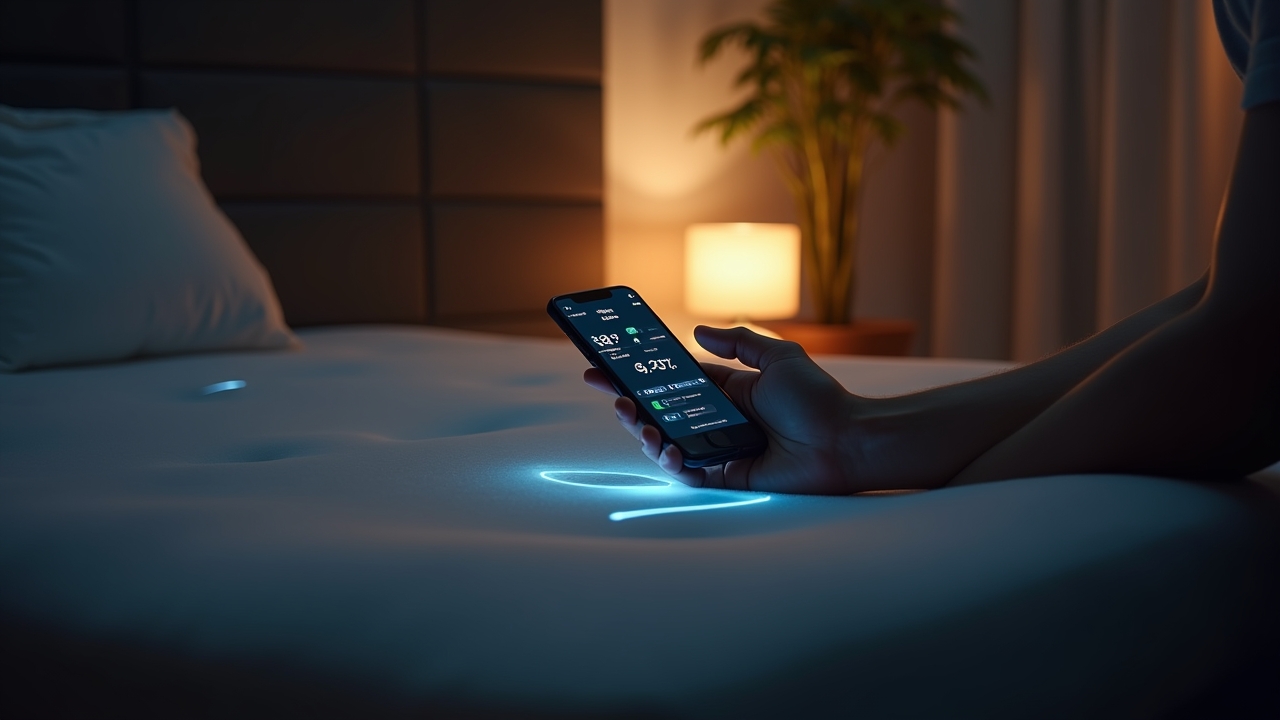
The technology has gotten seriously impressive. These mattresses can monitor your heart rate, breathing patterns, and sleep stages without you wearing anything on your wrist. All that data gets sent to an app on your phone so you can see exactly how well (or poorly) you slept.
My Honest Experience With Sleep Tech
I’ll be real — my first smart mattress purchase was kind of a disaster. I went cheap and bought some off-brand mattress pad with “sleep sensors” that was basically just a glorified heating pad with a janky app. The data it gave me was wildly inaccurate, and the thing stopped connecting to Bluetooth after like three weeks. Lesson learned the hard way.
When I finally invested in a proper smart bed system, the difference was night and day. Literally. The automatic temperature control alone improved my deep sleep by almost 40 minutes per night, according to the app data. My wife and I stopped fighting about the thermostat at bedtime, which was honestly worth the price of admission by itself.
One thing that surprised me was how the sleep data actually motivated me to change my habits. When I could see in black and white that having coffee after 2pm was wrecking my REM sleep, I actually stopped doing it. There’s something about seeing the numbers that makes it click, you know?
Advertisements
Features That Actually Matter
After testing a few different systems, here’s what I think is actually worth paying for:
- Dual-zone temperature control — Non-negotiable if you share a bed. Period.
- Sleep stage tracking — Knowing your REM and deep sleep percentages helps you understand what’s working and what isn’t.
- Smart alarm features — Being woken up during light sleep instead of deep sleep feels completely different. It was like somebody turned off my morning grogginess.
- Automatic firmness adjustment — Brands like Sleep Number have been doing this for years, and it genuinely helps with pressure point relief.
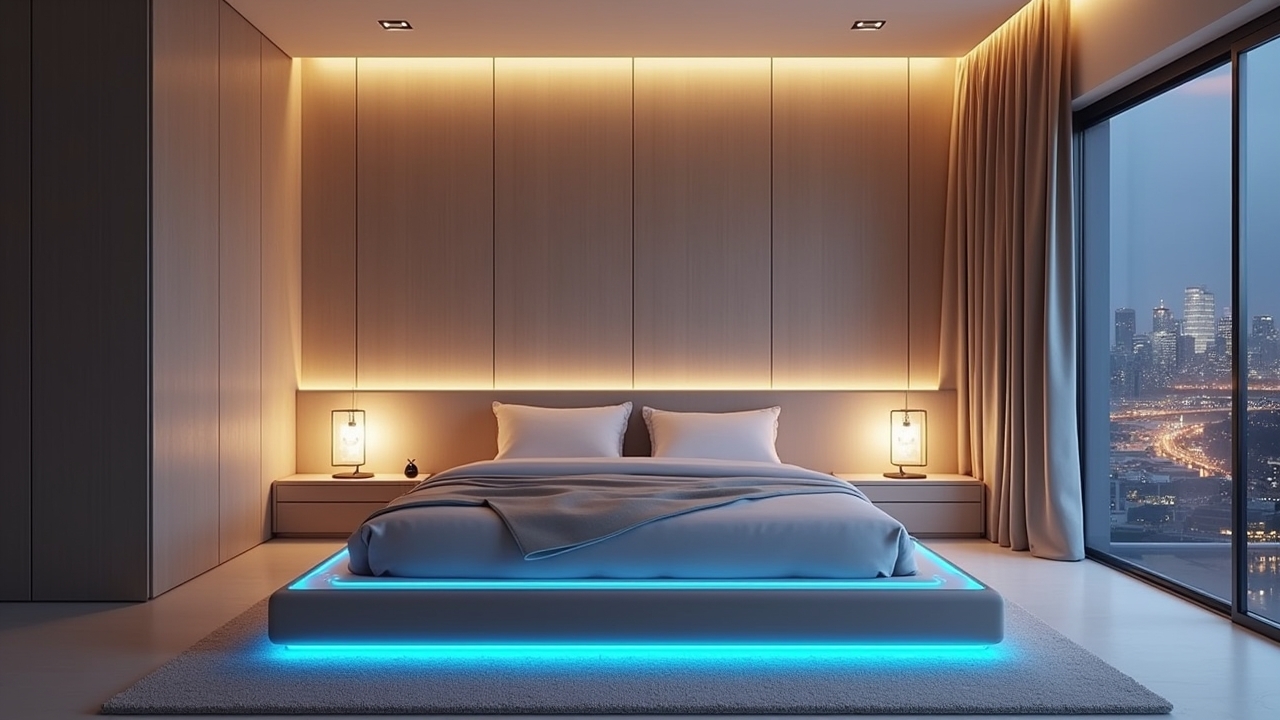
- Integration with smart home systems — Having my bed talk to my lights and thermostat through a connected sleep ecosystem is admittedly pretty cool.
A Few Words of Caution
Now, I don’t want to sound like a total fanboy here because there’s some real concerns worth mentioning. Privacy is a big one — these mattresses are collecting intimate biometric data while you sleep, so make sure you read the privacy policy before handing over that kind of information. Also, the subscription models some companies use can get pricey real fast. And honestly? Not everyone needs this level of technology to sleep well.
Your Next Step to Better Sleep
Smart mattress sleep technology isn’t perfect, but for someone like me who struggled with poor sleep quality for years, it was been genuinely transformative. The key is figuring out which features matter most for your specific situation and not just buying the flashiest option. Start with your biggest sleep complaint and work backwards from there.
If you’re curious about more ways to optimize your rest — whether it’s through technology, better sleep hygiene, or finding the right products — head over to Sleepora Lab where we’re constantly exploring what actually works. Sweet dreams, friends!