
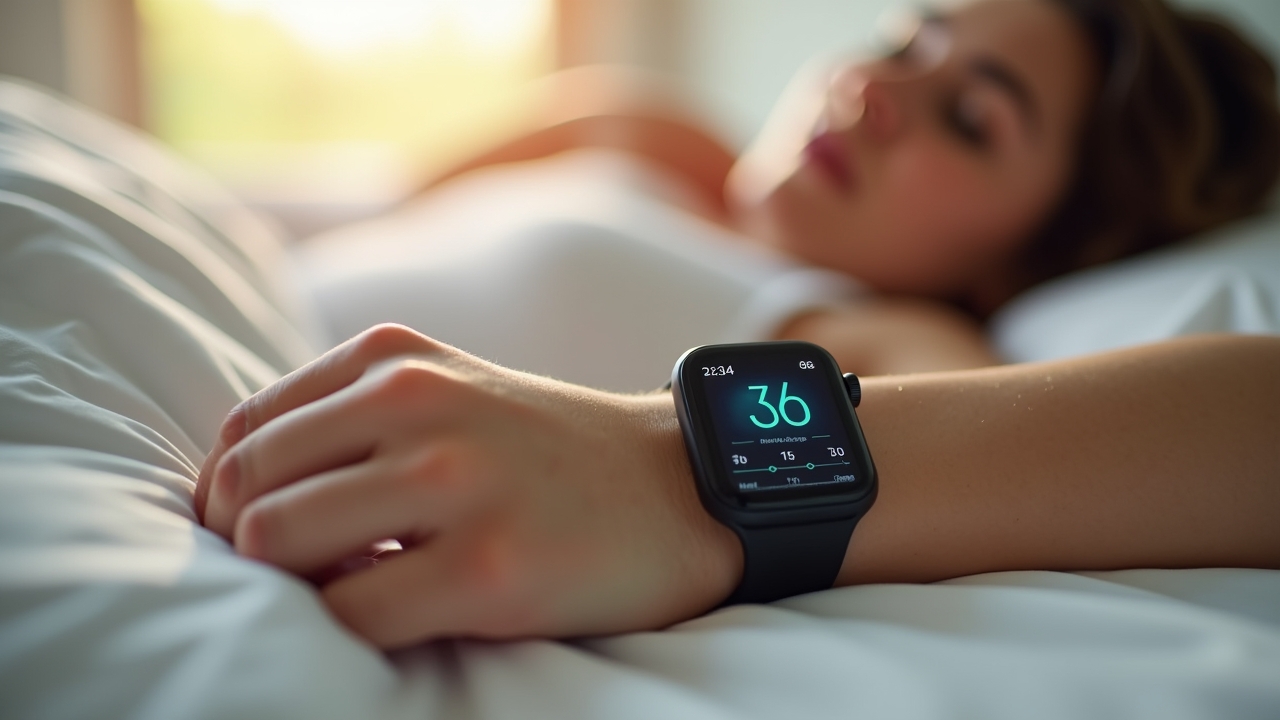
I Tested the Best Sleep Trackers of 2026 — Here’s What Actually Helped Me Sleep Better
Advertisements
Did you know that roughly 1 in 3 adults don’t get enough sleep on a regular basis? That stat hit me hard last year when I realized I was one of them. I’d been walking around like a zombie, chugging coffee, and wondering why my brain felt like mush by 2 PM — until I finally decided to do something about it and started testing sleep trackers.
Look, I’ve been obsessed with sleep quality for a while now. And honestly, the sleep tracking market in 2026 has gotten wild. So I figured I’d share what I’ve actually learned from wearing these things night after night, because some of them were game-changers and others were, well, a waste of money.
Why You Should Even Bother With a Sleep Tracker
Before I dive into the gadgets, let me be real with you. I used to think sleep trackers were kinda gimmicky. Like, I know I slept badly — do I really need a device to tell me that?
Turns out, yes. Understanding your sleep stages, heart rate variability, and breathing patterns can reveal problems you didn’t even know existed. My tracker actually flagged some irregular breathing that I ended up mentioning to my doctor. That alone made the whole experiment worth it.
The Oura Ring Gen 4 — Still the King of Comfort
I’ll start with the Oura Ring Gen 4 because it’s honestly been my daily driver for months now. The thing is so lightweight you forget you’re wearing it. And that matters more than you’d think — I tried a bulky wrist tracker before and kept ripping it off at 3 AM because it was annoying.
The sleep staging accuracy on this ring is impressive. It tracks deep sleep, REM cycles, and light sleep with surprising precision compared to clinical-grade polysomnography data. Plus the readiness score each morning became something I genuinely looked forward to checking.
Apple Watch Ultra 3 — For the All-in-One Crowd
If you already live in the Apple ecosystem, the Apple Watch Ultra series is a solid pick. The 2026 software update brought way better sleep insights, including blood oxygen monitoring and respiratory rate trends. I wore it for about six weeks straight.
Advertisements
My biggest gripe? Battery life. I had to charge it every morning, which was kind of a pain. But the integration with the Health app and the ability to set wind-down routines made it a really holistic sleep wellness tool.
Withings Sleep Tracking Mat — The “I Hate Wearing Stuff to Bed” Option
Okay, this one’s for my fellow humans who can’t stand wearing anything on their wrist or finger while sleeping. The Withings Sleep Mat slides right under your mattress and you literally forget it’s there. I was skeptical at first — how accurate can something under a mattress really be?
Pretty darn accurate, it turns out. It tracked my sleep cycles, snoring episodes, and even detected potential sleep apnea signs. The no-charge, no-wear factor is a huge win if you’re the type who values simplicity.
Quick Comparison of My Top Picks
- Oura Ring Gen 4: Best for comfort, accuracy, and daily readiness scores
- Apple Watch Ultra 3: Best all-in-one smartwatch with solid sleep features
- Withings Sleep Mat: Best non-wearable option for hassle-free tracking
Find What Works for Your Nights
Here’s the thing I learned after months of testing — the best sleep tracker is the one you’ll actually use consistently. Fancy features don’t mean anything if the device ends up in a drawer after two weeks. Trust me, I’ve been there.
Also, remember that these devices are wellness tools, not medical devices. If your tracker flags something concerning like irregular breathing or signs of sleep apnea, please talk to a real doctor. Don’t just Google it at 2 AM — I made that mistake and scared myself half to death over nothing.
If you found this helpful, stick around! We’ve got tons more honest reviews and sleep tips over at Sleepora Lab. Your best night’s sleep might just be one article away.