Advertisements
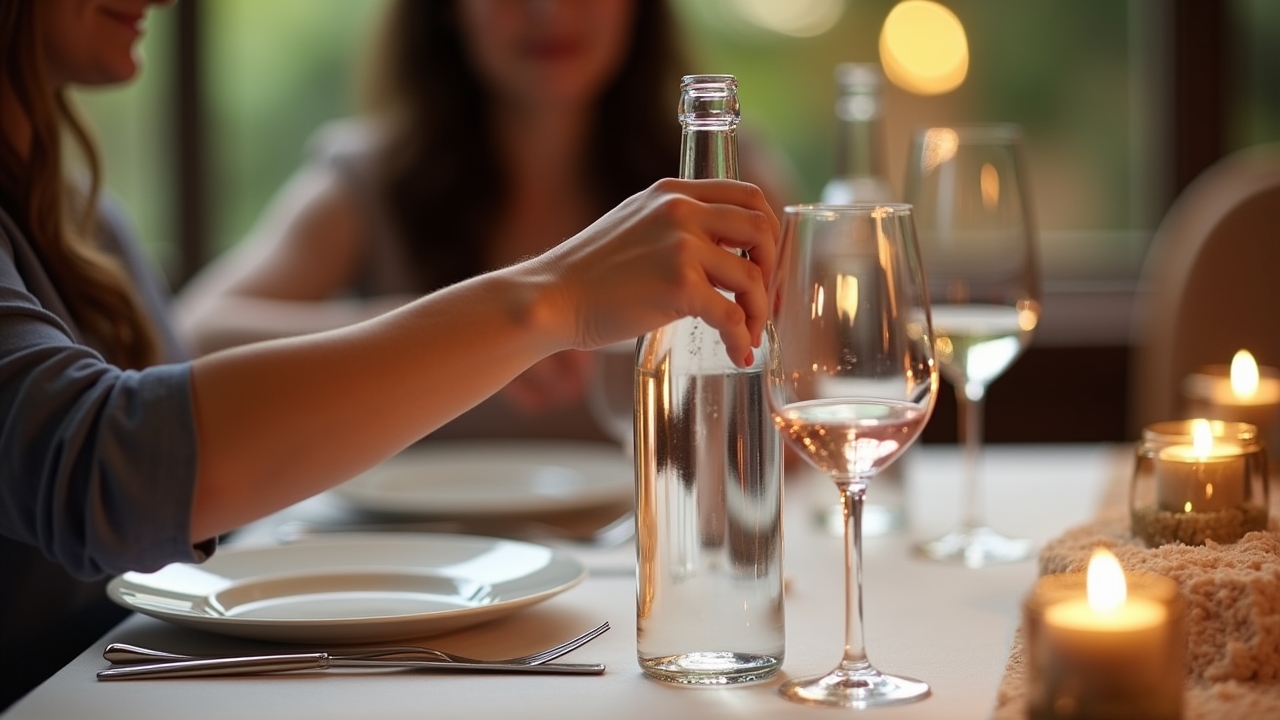
Here’s a stat that honestly blew my mind: according to the Sleep Foundation, nearly 20% of American adults use alcohol as a sleep aid. I used to be one of them! For years, I genuinely believed that a glass or two of wine before bed was helping me get better rest. Turns out, the relationship between alcohol and sleep quality is way more complicated — and honestly kind of sneaky — than most of us realize.
Why That Nightcap Feels Like It’s Working
Let me be real with you. Alcohol does make you fall asleep faster. It’s a sedative, so that warm, drowsy feeling after a couple of drinks isn’t in your head.
The problem is that falling asleep quickly and actually sleeping well are two totally different things. I learned this the hard way back in my early thirties when I was having a nightly beer or two, thinking I was doing myself a favor. I’d pass out fast but wake up at 3 AM feeling wired and groggy at the same time — which is a real fun combo, let me tell you.
What’s actually happening is that alcohol disrupts your natural sleep architecture. According to research published by the National Institute on Alcohol Abuse and Alcoholism, drinking before bed increases slow-wave sleep during the first half of the night but then seriously fragments sleep in the second half. So you get that initial knockout effect, but the quality of your rest takes a massive hit.
How Alcohol Messes With Your REM Sleep
This is where things get really interesting — and a little frustrating. REM sleep is the stage where your brain processes emotions, consolidates memories, and basically does its nightly housekeeping. Alcohol suppresses REM sleep, sometimes significantly.
I remember a period where I was studying for a professional certification while also unwinding with wine every evening. My retention was garbage. I couldn’t figure out why until I stumbled across a study from the National Library of Medicine that connected alcohol consumption to reduced REM cycles and impaired cognitive function the next day.
It was like a lightbulb moment. The booze wasn’t just making me tired — it was literally stealing the most restorative part of my sleep.
Advertisements
The Sneaky Side Effects You Might Not Notice
Beyond REM disruption, there’s a whole laundry list of ways alcohol wrecks your sleep quality that most people never connect the dots on:
- Increased nighttime awakenings and sleep fragmentation
- Worsened sleep apnea symptoms (alcohol relaxes throat muscles)
- More frequent bathroom trips disrupting deep sleep
- Night sweats and elevated heart rate
- Increased snoring, even in people who don’t normally snore
My wife actually pointed out the snoring thing to me years ago. She was like, “You only sound like a freight train on the nights you drink.” I brushed it off at the time. Shouldn’t have done that.
What Actually Helped Me Sleep Better
Look, I’m not here to tell anyone to never drink again. That’s your call. But here’s what made a real difference for me when I started taking my sleep hygiene seriously.
First, I set a cutoff time. If I’m going to have a drink, it needs to be at least three to four hours before bed. This gives your body enough time to metabolize the alcohol so it’s not actively disrupting your sleep cycles. Second, I swapped that late-night glass of wine for chamomile tea or tart cherry juice, which actually has some evidence behind it for promoting melatonin production.
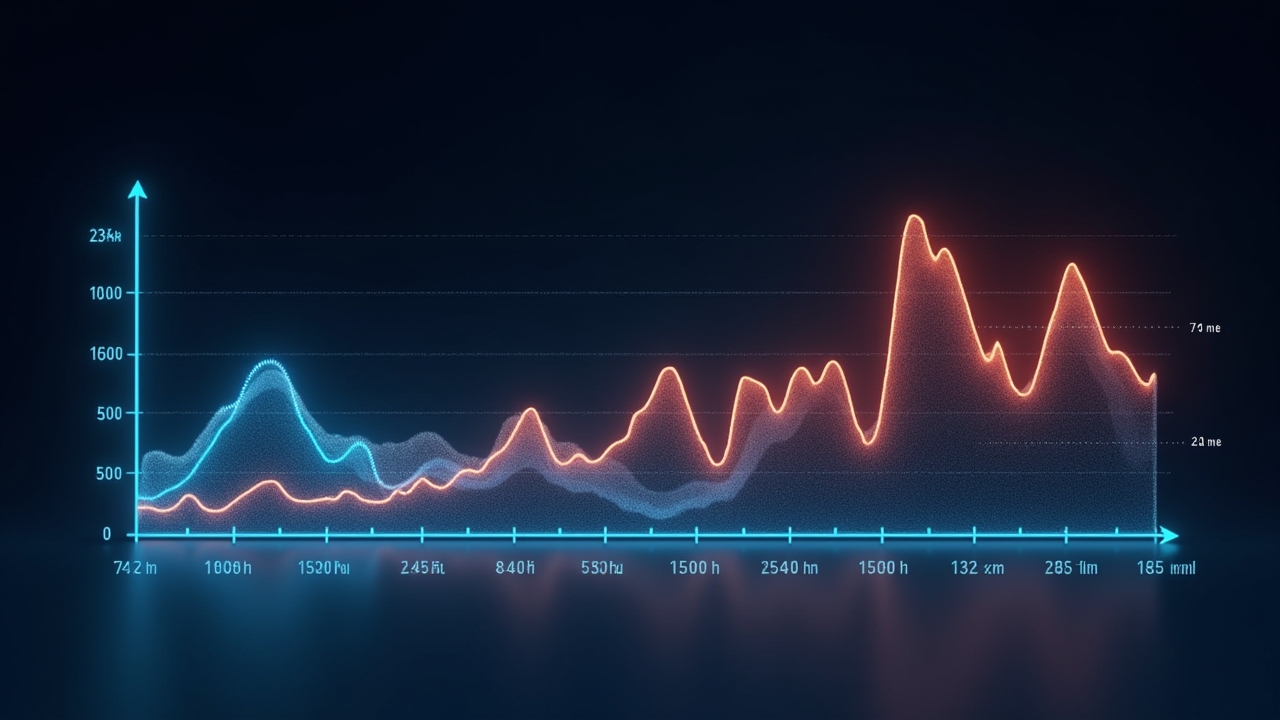
Third — and this was the big one — I started tracking my sleep with a wearable. Seeing the actual data on nights I drank versus nights I didn’t was honestly shocking. My deep sleep percentages were consistently 15-20% lower on drinking nights. Numbers don’t lie.
The Bigger Picture Worth Remembering
At the end of the day, understanding how alcohol affects sleep quality is about making informed choices — not perfect ones. Everyone’s body metabolizes alcohol differently, so what wrecks my sleep might not hit you the same way. Experiment, pay attention to your body, and be honest about what you notice.
If you’re struggling with insomnia or poor rest, though, please talk to a healthcare professional before relying on alcohol or any substance as a sleep aid. That’s a road that gets harder to turn back from than most people think.
Want to keep learning about better rest? Head over to the Sleepora Lab blog where we dig into everything from sleep disorders to practical bedtime routines that actually work. Your future well-rested self will thank you!