Advertisements
Here’s a wild stat that honestly blew my mind when I first stumbled across it — roughly 10 to 15 percent of adults deal with chronic insomnia, and a huge chunk of them have accidentally trained their brains to associate the bed with being wide awake. I was one of those people for years. The stimulus control insomnia technique is what finally helped me break that brutal cycle, and I genuinely wish someone had explained it to me sooner!
This behavioral sleep technique is a cornerstone of cognitive behavioral therapy for insomnia (CBT-I), which is widely considered the gold standard treatment. It sounds deceptively simple, but trust me — actually doing it requires some serious discipline. Let me walk you through what it is, how it works, and the mistakes I made along the way.
What Exactly Is Stimulus Control Therapy?
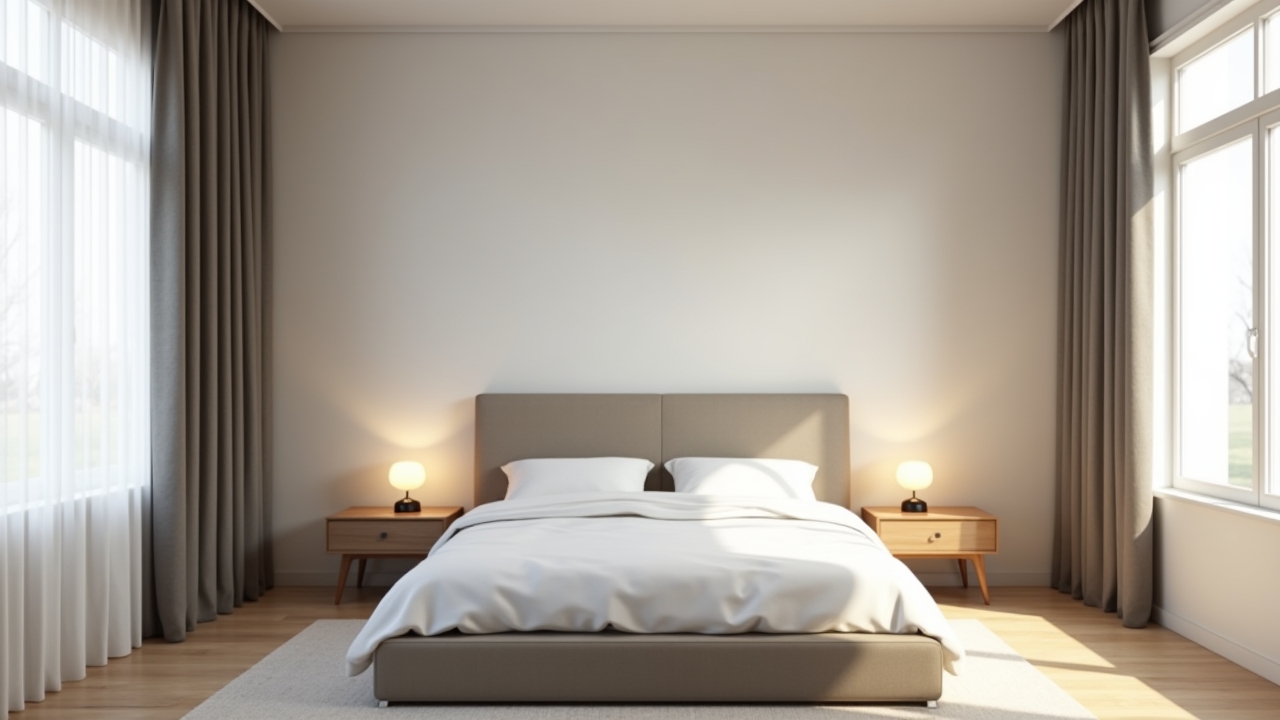
Stimulus control was developed by psychologist Richard Bootzin back in the 1970s, and the core idea is pretty straightforward. Your bed should only be associated with sleep and intimacy — nothing else. When you spend hours tossing, scrolling your phone, or watching TV in bed, your brain starts linking the bed with wakefulness instead of rest.
So the technique involves a set of strict rules designed to re-establish that connection between your bed and actually falling asleep. It’s basically reconditioning your brain. Think of it like Pavlov’s dogs, except you’re the dog and sleep is the treat.
The Rules I Had to Follow (And Why They Were Brutal at First)
When my sleep therapist first laid out the stimulus control instructions, I thought she was messing with me. Here’s the basic set of guidelines based on Bootzin’s original research:
- Only go to bed when you’re genuinely sleepy — not just tired.
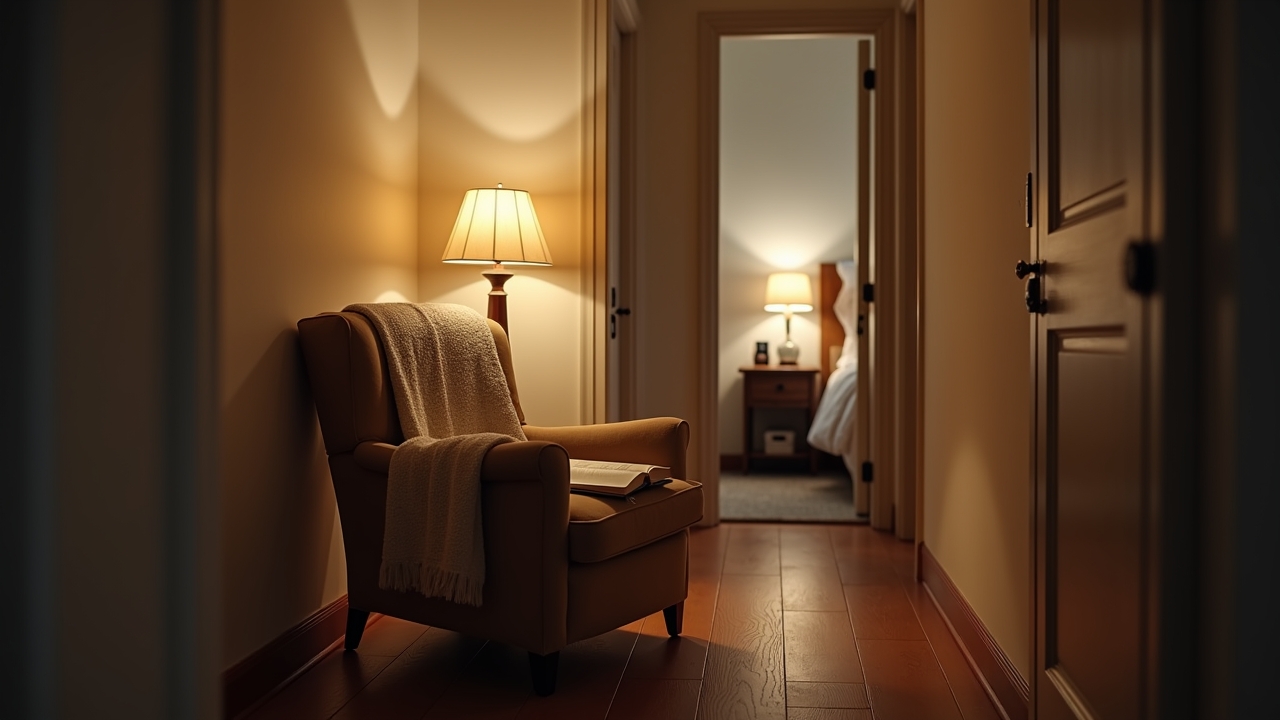
- If you can’t fall asleep within roughly 15 to 20 minutes, get out of bed and go to another room.
- Return to bed only when you feel sleepy again.
- Use the bed exclusively for sleep (and intimacy). No reading, no TV, no doomscrolling.
- Set a consistent wake-up time every single morning, regardless of how much sleep you got.
- Avoid napping during the day.
That first week was honestly terrible. I remember sitting on my couch at 2 AM, annoyed and exhausted, wondering why I was being punished for not sleeping. But here’s the thing — it was already working, I just didn’t realize it yet.
The Mistakes I Made That You Should Avoid
My biggest screw-up was clock-watching. I’d lay there staring at the ceiling, counting every minute, and getting more anxious about the 20-minute rule. A better approach is to just estimate. If you feel like you’ve been lying there a while and your mind is racing, that’s your cue to get up.
Advertisements
Another mistake was what I did when I got out of bed. I’d grab my phone or flip on bright lights, which was basically telling my brain it’s party time. Instead, keep the lights dim and do something boring — like reading a dull book or listening to a calm podcast. The goal is to keep your arousal level low so sleepiness can creep back in.
Oh, and I totally ignored the “no naps” rule for the first few days. Don’t do that. The sleep deprivation you feel is actually part of the process — it builds up your sleep drive, which makes it easier to fall asleep at bedtime.
When Things Finally Clicked
Around week two or three, something shifted. I started feeling genuinely drowsy when I got into bed, and falling asleep became almost automatic. It was honestly kind of magical after months of insomnia-fueled misery.
The consistent wake time was probably the single most powerful piece of the puzzle. Even on weekends. Yeah, it stinks — but your circadian rhythm needs that anchor. Once my body clock regulated itself, the nighttime wakefulness started fading on its own.
Your Bed Deserves Better (And So Do You)
Look, the stimulus control insomnia technique isn’t a quick fix. It takes patience and some genuinely uncomfortable nights before things improve. But it’s backed by decades of clinical research and it doesn’t involve medication — which was a huge plus for me personally.
If you’re dealing with chronic sleep problems, please talk to a healthcare provider before making major changes. Everyone’s situation is different, and conditions like sleep apnea need to be ruled out first. Customize these tips to fit your life and don’t beat yourself up if you slip.
Want more practical, no-nonsense sleep advice? Head over to the Sleepora Lab blog where we break down evidence-based strategies to help you finally get the rest you deserve. Your future well-rested self will thank you.