
Advertisements
How to Nap Effectively: A Guide From Someone Who Used to Do It All Wrong
Here’s a wild stat for you — according to the Sleep Foundation, about a third of American adults nap on any given day. But here’s the thing that nobody tells you: most of us are doing it completely wrong! I spent years taking naps that left me feeling groggy, disoriented, and honestly worse than before I laid down.
Learning how to nap effectively literally changed my daily productivity, my mood, and even how well I slept at night. So let me walk you through everything I’ve figured out — mostly through trial and embarrassing error.
Why Most People Mess Up Their Naps
Okay so let me paint you a picture. A few years back, I’d come home from teaching, crash on the couch at like 4 PM, and wake up two hours later feeling like I’d been hit by a bus. That groggy, confused feeling? It’s actually called sleep inertia, and it happens when you wake up during deep sleep.
The problem was that I thought longer naps meant better rest. Turns out, nap duration is everything. I was basically sabotaging myself every single afternoon.
The Sweet Spot: How Long Should You Actually Nap?
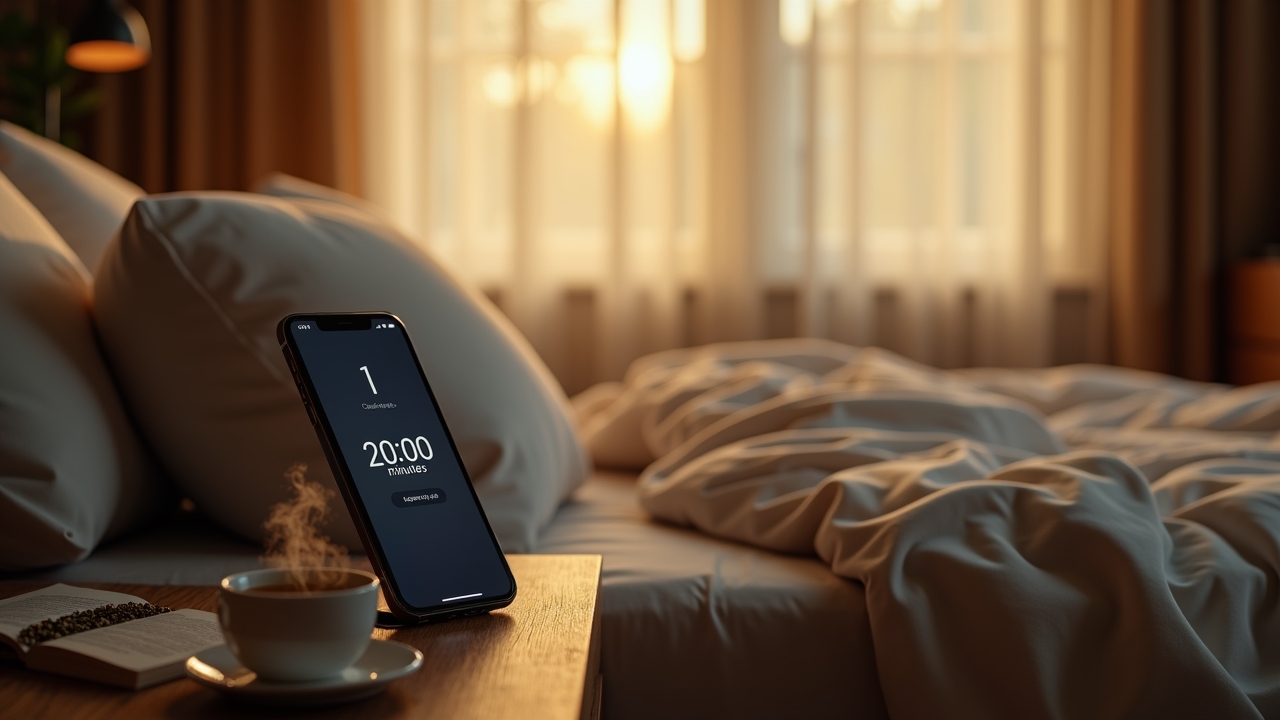
This is where things get good. The ideal nap length is between 10 and 20 minutes — what sleep researchers call a “power nap.” I know, it sounds ridiculously short, but trust me on this one.
A short nap keeps you in the lighter stages of sleep, so you wake up feeling refreshed instead of zombified. If you need something longer, aim for a full 90-minute sleep cycle so you pass through deep sleep and come back out the other side. Anything in between — like my old 45-minute disasters — is basically a recipe for grogginess.
Advertisements
Timing Is Everything
Here’s something I wish someone told me sooner. The best time to nap is between 1 PM and 3 PM, right when your body naturally experiences that post-lunch energy dip. It’s called your circadian rhythm, and it’s basically your internal clock telling you to slow down.
Napping after 3 PM was one of my biggest mistakes. Late afternoon naps messed with my nighttime sleep schedule so bad that I’d lay in bed at midnight staring at the ceiling. Not fun.
Setting Up Your Perfect Nap Environment
You don’t need a fancy setup, but a few small tweaks make a huge difference. Here’s what actually works for me:
- Keep the room cool — somewhere around 65 to 68 degrees Fahrenheit is ideal for sleep quality.
- Use a sleep mask or blackout curtains to block light. Even a t-shirt over your eyes works in a pinch.
- Set an alarm. Seriously, don’t skip this step. I once “napped” for three hours on a Saturday and my whole weekend sleep schedule was wrecked.
- Try white noise or earplugs if you’re in a noisy environment.
One random thing that helped me — I started keeping a light blanket on my office chair specifically for midday naps. It became like a signal to my brain that it was rest time.
The Coffee Nap Trick That Actually Works
Okay this one sounds absolutely bonkers but hear me out. Drink a cup of coffee right before your 20-minute nap. Caffeine takes about 20 to 30 minutes to kick in, so by the time you wake up, you get the benefits of both the nap and the caffeine hitting your system simultaneously.
A study published in Psychophysiology actually found that coffee naps improved alertness more than either coffee or napping alone. I was skeptical at first, but now it’s my go-to move on rough days. Game changer.
When Napping Might Not Be For You
Real talk — napping isn’t great for everyone. If you struggle with insomnia or have trouble falling asleep at night, adding daytime naps could actually make things worse. It’s always worth checking with your doctor if your daytime sleepiness feels excessive, because that could be a sign of something like sleep apnea or another underlying condition.
Also, don’t use naps as a replacement for proper nighttime rest. They’re a supplement, not a substitute.
Your Afternoon Reset Starts Now
Look, learning how to nap effectively isn’t rocket science, but it does take a little intentionality. Keep it short, time it right, and create a decent sleep environment — that’s honestly 90% of the battle. Everyone’s body is a little different though, so experiment with what works best for you.
Remember to listen to your body and talk to a healthcare professional if you’re constantly exhausted despite sleeping well. And if you’re hungry for more tips on improving your rest, head over to the Sleepora Lab blog — we’ve got tons of posts on sleep hygiene, bedtime routines, and everything in between. Your best nap is waiting for you!