
Advertisements
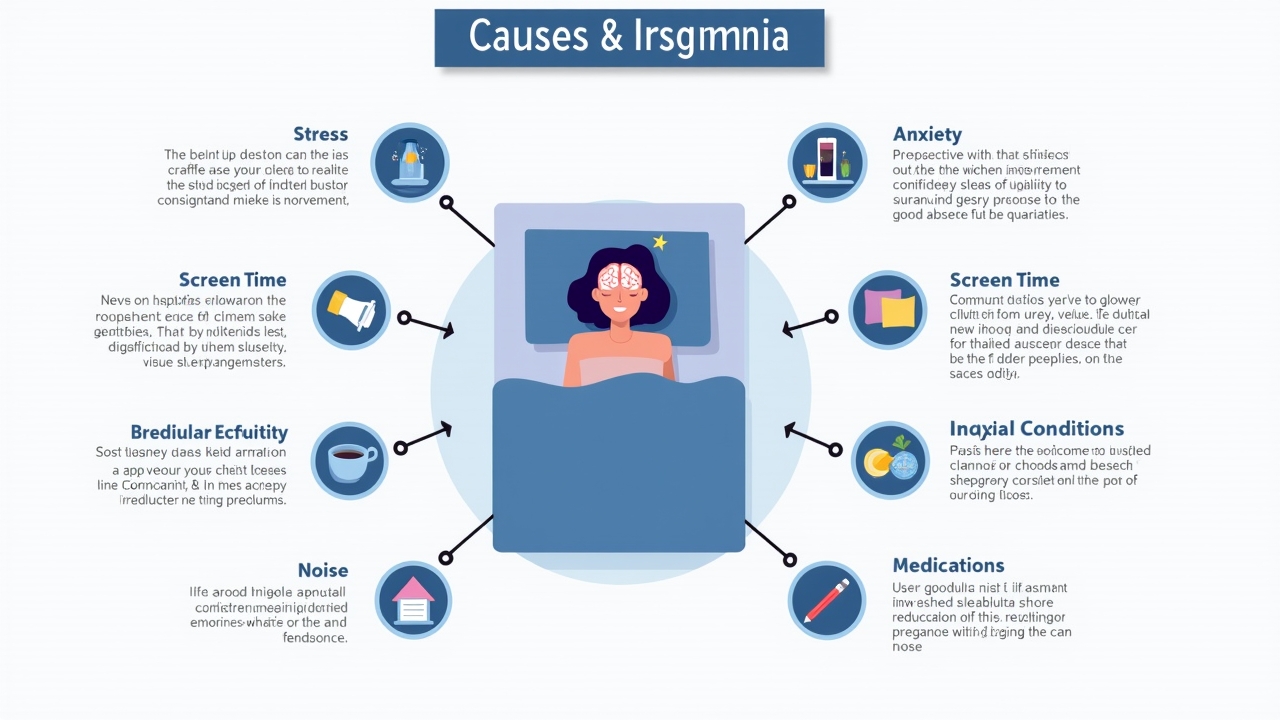
Chronic Insomnia Causes: What’s Really Keeping You Up at Night
Here’s a stat that honestly blew my mind — roughly 10 to 15% of adults deal with chronic insomnia at any given time. That’s millions of people staring at their ceilings every single night, and I was one of them for almost two years. Understanding the chronic insomnia causes that were wrecking my sleep was the first real step toward actually fixing things, and I wish someone had broken it down for me sooner!
Stress and Anxiety — The Usual Suspects
Let me just say it plainly: stress was the number one thing that destroyed my sleep. I remember lying in bed replaying work conversations on a loop, my brain absolutely refusing to shut up. It was exhausting and honestly a bit maddening.
Chronic stress triggers your body’s fight-or-flight response, flooding you with cortisol right when you need to wind down. Anxiety disorders make this even worse because the worry doesn’t stop just because you turned the lights off. Your nervous system stays on high alert, and falling asleep becomes nearly impossible.
One practical tip that actually helped me was writing down my worries in a journal about an hour before bed. Sounds cheesy, I know. But getting those thoughts out of my head and onto paper made a noticeable difference within a couple weeks.
Poor Sleep Habits You Don’t Even Realize You Have
This one stung when my doctor pointed it out. I was doing everything wrong — scrolling my phone in bed, drinking coffee at 4 PM, sleeping in on weekends to “catch up.” Turns out, poor sleep hygiene is one of the most common chronic insomnia causes.
Irregular sleep schedules confuse your circadian rhythm, which is basically your body’s internal clock. The blue light from screens suppresses melatonin production, making it harder to feel sleepy. And that late afternoon caffeine? It has a half-life of about 5 to 6 hours, so it’s still buzzing around your system at bedtime.
Advertisements
My biggest mistake was thinking I could outsmart my body. You really can’t. Setting a consistent bedtime — even on weekends — was a game changer for me.
Medical Conditions Lurking Beneath the Surface
Sometimes insomnia isn’t really about sleep at all. It’s a symptom of something else going on in your body. Conditions like chronic pain, acid reflux, asthma, and even thyroid problems can all be underlying causes of persistent sleep disturbance.
I had a friend who struggled with sleeplessness for over a year before finding out she had an overactive thyroid. Once that was treated, her sleep improved dramatically. Depression and other mental health conditions are also strongly linked to long-term insomnia — it becomes this brutal cycle where you can’t sleep because you’re depressed, and you’re depressed partly because you can’t sleep.
If you’ve been dealing with sleep problems for more than three months, it’s definitely worth talking to a healthcare provider. Don’t just tough it out like I did.
Medications and Substances That Mess With Your Sleep
Here’s something that caught me off guard. Certain medications — including some antidepressants, blood pressure drugs, and even allergy meds — can interfere with sleep quality. It was literally being caused by something prescribed to help me feel better, which felt pretty ironic.
Alcohol is another sneaky one. People think a nightcap helps them relax, but alcohol actually fragments your sleep cycles and reduces REM sleep. Nicotine is a stimulant too, so smoking before bed isn’t doing you any favors either.
Your Environment Matters More Than You Think
I used to sleep with the TV on. Every night. I thought the background noise was soothing, but my sleep tracker told a very different story — constant micro-awakenings throughout the night.
Room temperature, light exposure, noise levels, and even your mattress can all contribute to chronic sleep difficulties. Experts generally recommend keeping your bedroom cool, dark, and quiet. Simple changes to your sleep environment can sometimes have a surprisingly big impact.
So What Now? Taking Back Your Nights

Look, understanding the chronic insomnia causes behind your sleepless nights is genuinely powerful. But everyone’s situation is a little different, so what worked for me might need some tweaking for you. The key is paying attention to your own patterns and being honest about what might need to change.
Please don’t ignore persistent sleep problems or try to self-medicate without professional guidance. Chronic insomnia affects your heart health, mental wellbeing, and pretty much every aspect of daily life. It deserves real attention.
If you found this helpful, I’d love for you to explore more articles over at Sleepora Lab — we’re building a whole library of practical, no-fluff sleep content. Sweet dreams, hopefully!