
Natural Remedies for Insomnia: What Actually Worked After Years of Staring at My Ceiling
Advertisements
Here’s a stat that honestly blew my mind — roughly 70 million Americans deal with some form of sleep disorder. I was one of them for the better part of five years. And let me tell you, lying awake at 3 AM wondering why your brain won’t just shut up is one of the most frustrating experiences out there!
I tried everything from prescription sleeping pills to counting sheep (yes, literally). But it wasn’t until I stumbled into the world of natural remedies for insomnia that things actually started to change. So grab a cup of chamomile tea — more on that in a second — and let me walk you through what’s been working for me and what the science actually says.
Herbal Remedies That Don’t Just Smell Nice
Okay, so I used to roll my eyes at herbal sleep aids. Like, a plant is gonna fix my broken sleep cycle? But then a friend handed me some valerian root capsules and honestly, I noticed a difference within the first week. It wasn’t like getting knocked out — it was more like my body finally remembered how to wind down.
Chamomile tea became my nightly ritual too. There’s something about the warm mug, the mild flavor, and the apigenin compound in chamomile that just signals bedtime to my brain. I also experimented with passionflower extract, which was recommended by a naturopath I visited out of sheer desperation.
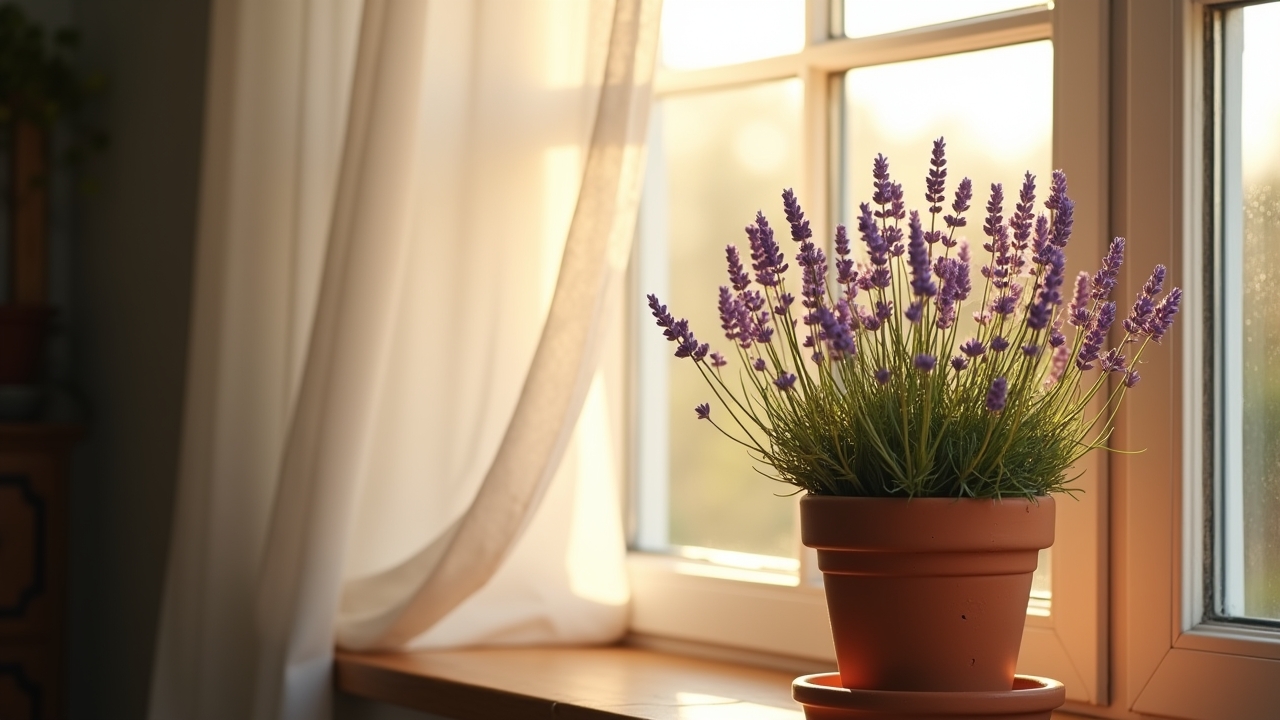
Now, I gotta be real — not every herb worked the same for me. Lavender aromatherapy? Amazing for relaxation but didn’t necessarily make me fall asleep faster. It’s all about finding your own combo, which takes some patience.
The Melatonin Thing (And Why I Almost Messed It Up)
So melatonin supplements are probably the most popular natural sleep aid out there. I started taking them and made a classic mistake — I took way too much. Like 10mg because I figured more equals better, right? Wrong.
Turns out, most sleep experts recommend starting with just 0.5 to 3mg about 30 minutes before bed. When I dialed it back to 1mg, the grogginess disappeared and I was actually falling asleep within 20 minutes. Timing matters a ton with melatonin — take it too early or too late and it throws off your circadian rhythm even more.
Advertisements
Sleep Hygiene Sounds Boring But It’s Everything
I know, I know. You’ve heard the sleep hygiene tips a thousand times. But here’s the thing — I wasn’t actually doing them consistently until last year, and that made all the difference.
Here’s what my non-negotiable bedtime routine looks like now:
- No screens at least 45 minutes before bed (this one was painful at first)
- Bedroom temperature set to around 65°F
- A consistent sleep schedule, even on weekends
- No caffeine after 2 PM — and yeah, that includes my beloved iced coffee
- A 10-minute guided meditation using an app like Headspace
The meditation piece was a game changer for my racing thoughts. I used to think mindfulness was kinda woo-woo, but progressive muscle relaxation and deep breathing exercises literally calmed my nervous system down in ways I didn’t expect.
Magnesium: The Sleeper Hit Nobody Talks About Enough
Pun intended. But seriously, magnesium glycinate has been lowkey one of the best additions to my nighttime routine. A lot of people are deficient in magnesium without even knowing it, and it plays a huge role in regulating your sleep-wake cycle.
I take about 200mg an hour before bed. My legs feel less restless, my mind is quieter, and I stay asleep longer. It was one of those things where I thought it wasn’t doing anything until I stopped taking it for a week — and immediately noticed the difference.
Your Sleep Journey Starts Tonight
Look, there’s no magic bullet for chronic insomnia. What worked for me might need tweaking for you, and that’s totally fine. The beautiful thing about natural remedies is that most of them are gentle enough to experiment with — though you should always check with your doctor before adding supplements, especially if you’re on other medications.
Start small. Maybe try chamomile tea tonight or adjust your bedroom temperature. Stack one habit at a time and give each remedy at least a week or two before judging it. Your body needs time to respond, and honestly, being patient with yourself is part of the healing process.
If you’re hungry for more tips on getting better rest the natural way, head over to Sleepora Lab where we dive deep into sleep science, relaxation techniques, and everything in between. You deserve a good night’s sleep — let’s figure it out together!