Advertisements
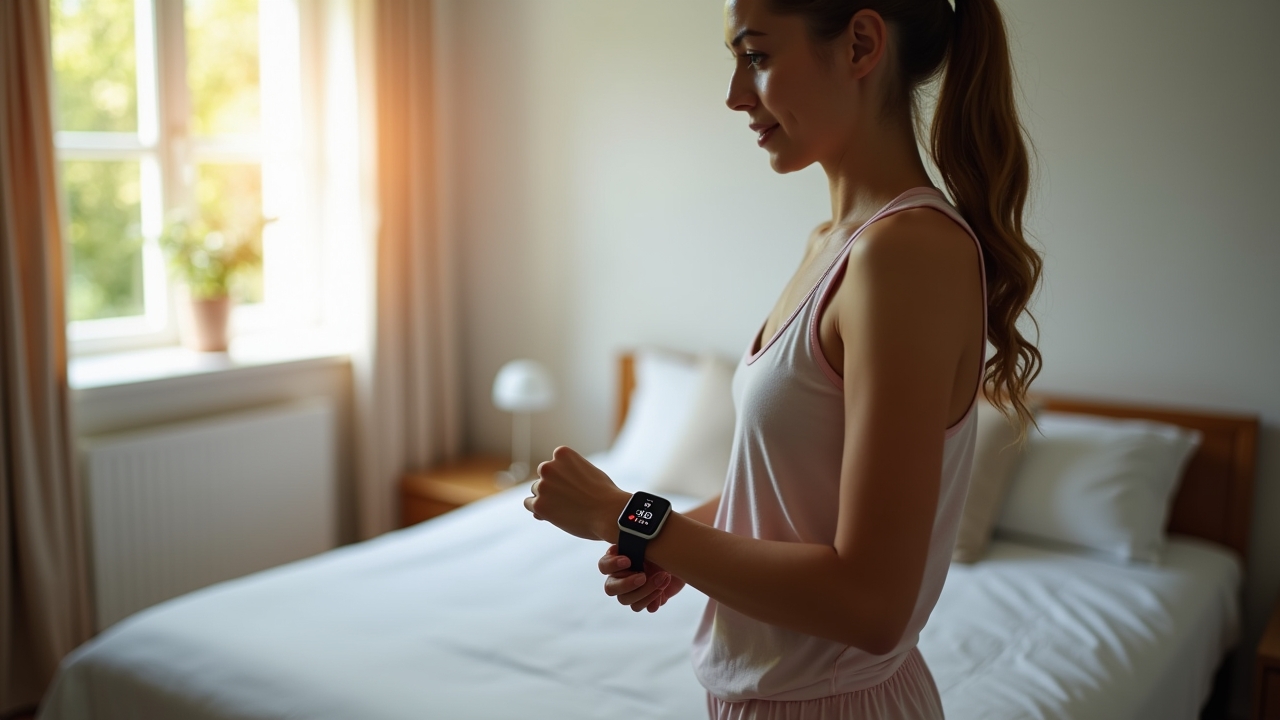
Here’s a wild stat that blew my mind: we spend roughly one-third of our entire lives sleeping. One-third! And yet, most of us have zero clue what’s actually happening during those hours. I’ll be honest, I wore my Fitbit for almost six months before I actually bothered to understand what all those colorful sleep stage charts meant. Once I did, though? Total game-changer for how I approach my nightly rest.
Understanding your Fitbit sleep stages is honestly one of the most powerful things you can do to improve your overall health. So let me break it all down for you, the way I wish someone had explained it to me.
How Does Fitbit Actually Track Your Sleep?
Before we dive into the stages themselves, let’s talk about how this little wrist gadget figures out what your brain is doing. Your Fitbit uses a combination of heart rate sensors and accelerometers to detect movement and heart rate variability throughout the night. It’s not as precise as a clinical polysomnography test in a sleep lab, but it’s surprisingly close for something you just strap on your wrist.
I remember being skeptical at first. Like, how does a watch know I’m in deep sleep? But after comparing my data with how I actually felt each morning, the patterns started making a lot of sense.
The Four Fitbit Sleep Stages Broken Down
Fitbit divides your night into four distinct sleep stages: Awake, Light Sleep, Deep Sleep, and REM Sleep. Each one plays a different role in keeping your body and mind functioning properly. Let me walk you through them one by one.
Awake Time
This one freaked me out at first. I’d see 45 minutes of “awake” time and think something was wrong with me. Turns out, it’s totally normal to wake up briefly multiple times during the night — most people just don’t remember it.
Typically, anything under about 10-15% of your total time in bed being awake is considered normal. If you’re seeing way more than that, it might be worth looking into factors like caffeine intake, screen time before bed, or room temperature.
Advertisements
Light Sleep
Light sleep usually makes up the biggest chunk of your night — around 50% or so. During this stage, your heart rate drops, your body temperature decreases, and your muscles start to relax. It’s basically the transition zone between being awake and entering deeper stages.
Don’t underestimate light sleep, though. It’s essential for memory processing and physical recovery, even if it doesn’t sound as fancy as the other stages.
Deep Sleep
Oh man, deep sleep is the good stuff. This is where your body does its heavy-duty repair work — tissue growth, immune system strengthening, and energy restoration all happen here. According to the Sleep Foundation, adults typically need about 1-2 hours of deep sleep per night.
I noticed my deep sleep was embarrassingly low for months. Like, 30 minutes on a good night. What helped? Cutting out alcohol before bed and keeping my bedroom cooler. The difference was honestly night and day — pun intended.
REM Sleep
REM stands for Rapid Eye Movement, and this is when most of your dreaming happens. Your brain is super active during REM, processing emotions and consolidating memories from the day. Most adults should aim for about 20-25% of their total sleep in REM.
Fun aside — I once tracked a night after binge-watching a horror series, and my REM was through the roof. Coincidence? My dreams that night would suggest otherwise.
Practical Tips to Improve Your Sleep Stages
- Keep a consistent sleep schedule, even on weekends — your body craves routine.
- Avoid caffeine at least 6 hours before bedtime.
- Make your bedroom cool, dark, and quiet.
- Limit alcohol, which seriously tanks your deep sleep numbers.
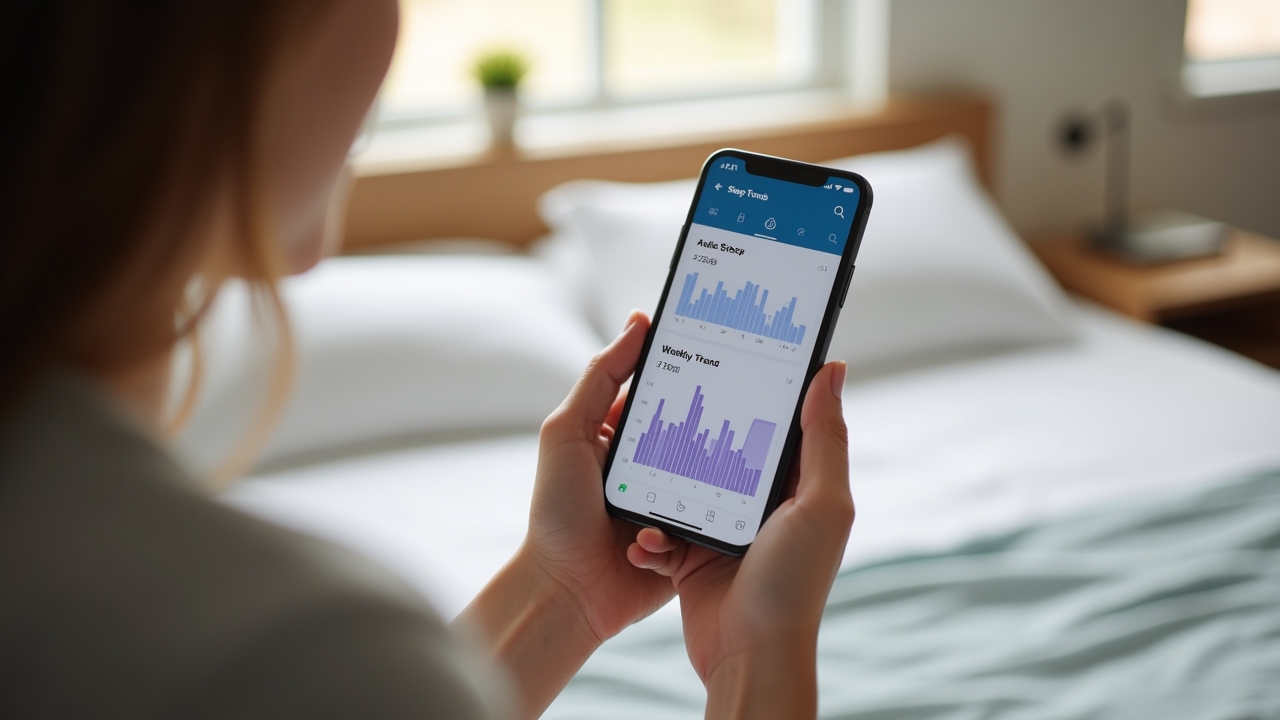
- Use your Fitbit’s Sleep Score and trends over weeks, not just individual nights.
Your Sleep Data Is Just the Starting Point
Look, knowing your Fitbit sleep stages explained in detail is awesome, but the real magic happens when you use that data to make small, consistent changes. Don’t obsess over one bad night. Instead, look at your weekly and monthly trends to spot what’s actually working and what isn’t.
Everyone’s sleep needs are a little different, so customize what you learn to fit your own lifestyle. And if you’re consistently getting terrible sleep despite making changes, please talk to a healthcare professional — a Fitbit is a great tool, but it’s not a doctor.
Want more tips on getting better rest and understanding your sleep data? Head over to Sleepora Lab and explore our other posts — we’ve got a ton of stuff that’ll help you finally wake up feeling like a real human being.