Sleep Tracking Accuracy: What I Learned After Testing 5 Devices on My Own Wrist
Advertisements
Here’s a stat that honestly blew my mind — a Sleep Foundation review found that most consumer wearables can detect total sleep time within about 10 minutes of accuracy, but they’re pretty terrible at identifying specific sleep stages. I spent the better part of last year obsessing over my sleep data, comparing gadgets, and losing sleep ironically because I was so stressed about tracking it. If you’ve ever wondered whether your smartwatch is actually telling you the truth about your night, buckle up — I’ve got some thoughts!
Why I Even Started Caring About Sleep Tracking
So about two years ago, I was dragging through every single afternoon like a zombie. My wife finally said, “Maybe you should figure out if you’re actually sleeping well.” That comment kicked off what I now call my sleep data rabbit hole.
I grabbed a Fitbit first, then an Apple Watch, then an Oura Ring. Eventually I even tried a Withings Sleep Analyzer under my mattress. Each device told me something slightly different about my sleep duration, REM cycles, and deep sleep percentages. It was honestly maddening.
How Sleep Trackers Actually Measure Your Sleep
Most wrist-based sleep trackers rely on a combination of accelerometers and optical heart rate sensors. The accelerometer detects movement — or lack of it — while the heart rate monitor looks for patterns that correspond to different sleep stages. It’s called actigraphy, and it’s been used in clinical settings for decades.
The gold standard for sleep measurement is polysomnography, which is basically a full overnight sleep study in a lab with electrodes stuck all over your head. Obviously, nobody’s doing that every night. So consumer devices try to approximate those results, and honestly they do a decent job at some things but totally miss the mark on others.
Where These Devices Get It Right (And Where They Don’t)
Here’s the thing I learned the hard way. Wearable sleep monitors are generally pretty solid at detecting when you fell asleep and when you woke up. Total sleep time accuracy is their strong suit.
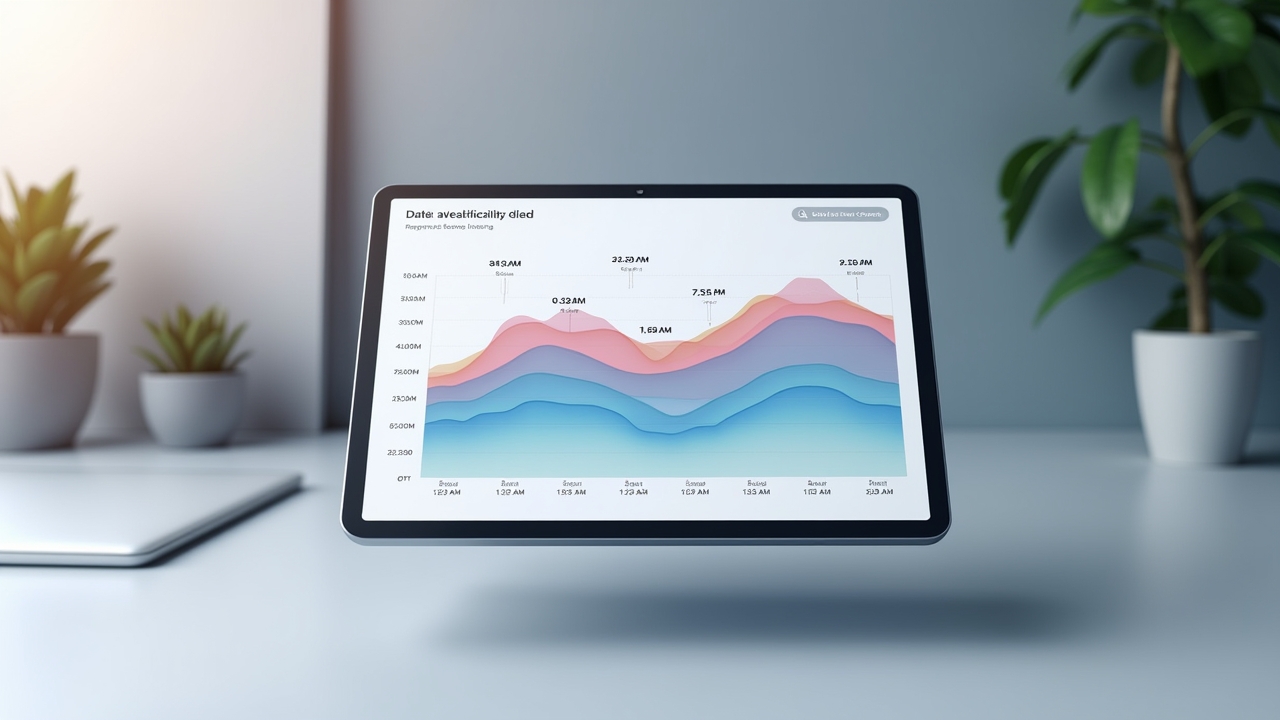
But sleep stage detection? That’s where things get sketchy. A study published in the journal Sleep showed that consumer devices frequently overestimate light sleep and underestimate deep sleep. I noticed this myself — my Oura Ring would say I got 45 minutes of deep sleep while my Fitbit claimed it was closer to an hour and twenty minutes. Same night, same body.
Advertisements
- Total sleep time — usually accurate within 10-15 minutes
- Sleep onset detection — fairly reliable with most modern devices
- REM sleep tracking — inconsistent across brands and models
- Deep sleep measurement — often overestimated or underestimated
- Sleep efficiency scores — useful as trends, not absolute numbers
My Biggest Mistake With Sleep Data
I’ll be real with you — I became so obsessed with my sleep scores that I developed what researchers are now calling orthosomnia. That’s when you’re so fixated on achieving perfect sleep metrics that it actually worsens your sleep quality. The irony was not lost on me.
One night I woke up at 3 AM, checked my watch, saw my deep sleep was “low,” and then couldn’t fall back asleep for two hours because I was stressing about it. Classic self-sabotage right there. My advice? Look at weekly and monthly trends instead of obsessing over a single night’s data.
Practical Tips to Get the Most From Your Sleep Tracker
After all my experimenting, here’s what actually helped me use sleep tracking technology in a healthy and productive way. First, wear the device consistently — accuracy improves as the algorithm learns your personal patterns. Second, make sure the sensor sits snug against your skin because a loose fit absolutely wrecks the heart rate data.
Third, and this is the big one, use the data as a guide not a diagnosis. If your tracker says your sleep quality was poor but you feel great, trust your body. No wearable device can replace how you actually feel when your feet hit the floor in the morning.
What Your Sleep Score Won’t Tell You
Look, sleep tracking has come a long way and its only getting better with improved sensors and machine learning algorithms. But please don’t use a consumer device to self-diagnose conditions like sleep apnea or insomnia — that’s a job for a board-certified sleep specialist. Use your tracker to spot patterns, have better conversations with your doctor, and make small adjustments to your bedtime routine.
At the end of the day, the best sleep tracker is one that motivates you to prioritize rest without making you anxious. Find what works for your life, experiment with your sleep hygiene habits, and give yourself grace on the rough nights. If you’re hungry for more tips on improving your rest, head over to the Sleepora Lab blog where we dive deep into everything sleep — from mattress reviews to nighttime routines that actually work.