Advertisements
Here’s a wild stat that honestly shook me: the CDC reports that roughly 1 in 3 American adults don’t get enough sleep on a regular basis. I was one of them for years, and I had no clue my bedroom was basically sabotaging me every single night! Turns out, your bedroom setup for better sleep matters way more than most people realize, and once I figured that out, everything changed.
Why Your Bedroom Environment Is Secretly Ruining Your Rest
So I used to think sleep was just about being tired enough. Like, if I exhausted myself during the day, I’d just pass out and wake up refreshed. Boy, was I wrong.
Your sleep environment plays a massive role in how quickly you fall asleep and how deep that sleep actually gets. Things like room temperature, lighting, noise levels, and even the color of your walls can mess with your circadian rhythm without you even knowing it. I spent like two years blaming stress for my insomnia when it was literally my bedroom setup the whole time.
Get the Temperature Right (This One’s a Game Changer)
Okay, this was my biggest mistake. I kept my bedroom at around 74°F because I liked feeling cozy. Turns out the ideal sleeping temperature is between 60-67°F according to most sleep experts.
When I finally dropped my thermostat to 65°F, I noticed a difference within the first week. Your body needs to cool down slightly to initiate sleep, and a warm room basically fights against that natural process. I also switched to breathable cotton sheets, which honestly made a bigger difference than I expected.
Block Out the Light — And Yes, That Includes Your Phone
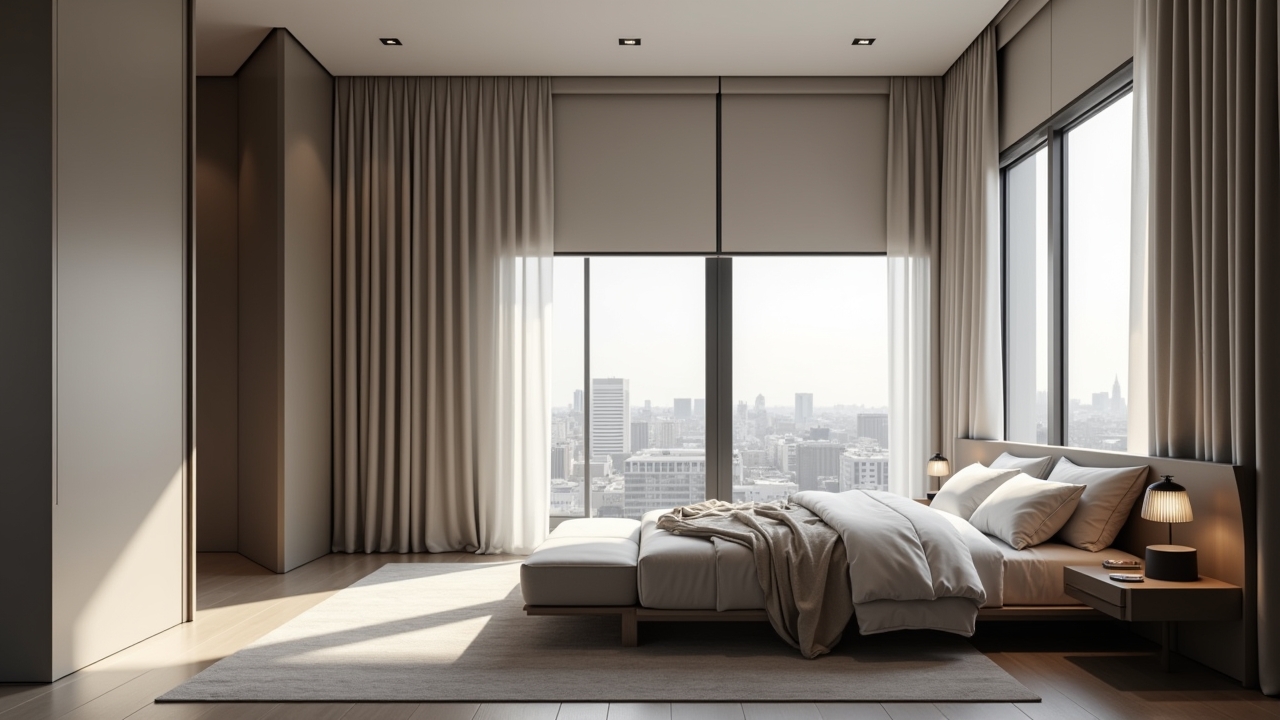
I’m gonna be real with you — I used to scroll TikTok in bed until my eyes literally burned. The blue light from screens suppresses melatonin production, which is the hormone that tells your brain it’s sleepy time. Getting blackout curtains was one of the best investments I ever made for my sleep hygiene.
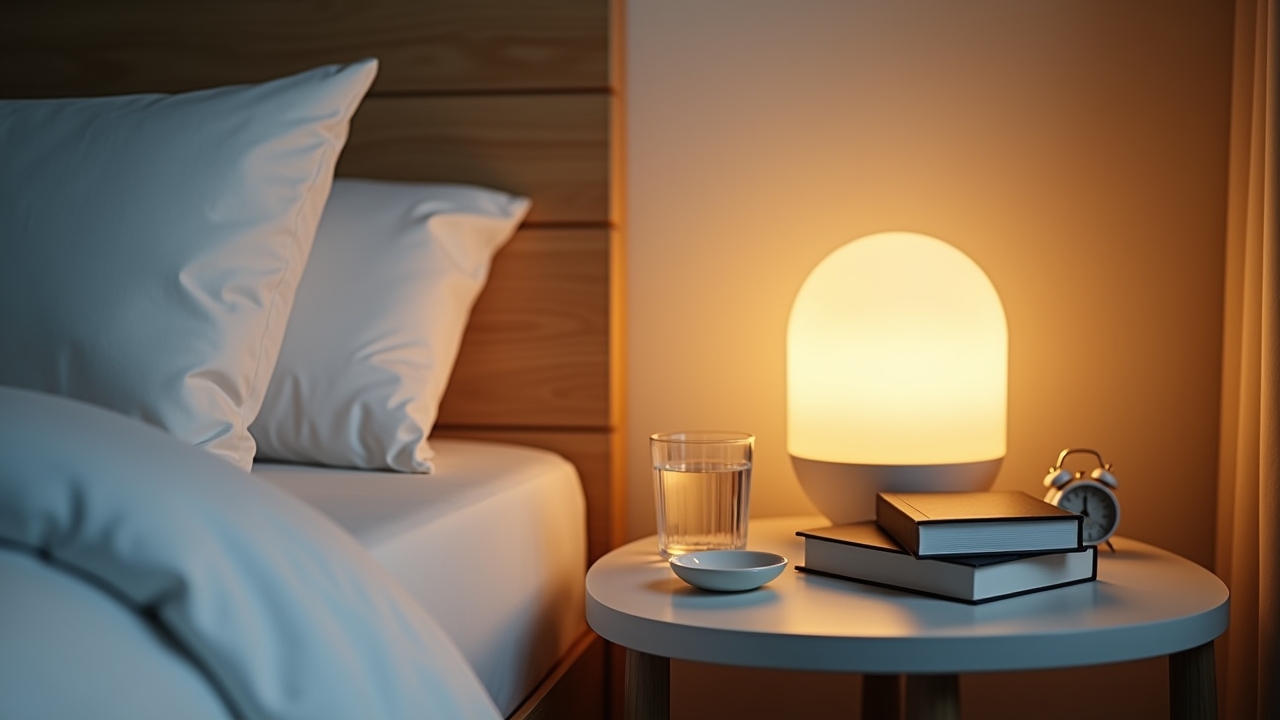
Even small light sources like alarm clock displays or charging indicator lights can disrupt your sleep quality. I covered every little LED in my room with electrical tape, and it felt a bit paranoid at first, but it worked. A completely dark bedroom signals to your brain that it’s time to shut down.
Advertisements
Your Mattress and Pillows Actually Matter (Who Knew?)
I slept on the same mattress for like 12 years before someone told me they should be replaced every 7-10 years. No wonder my back was killing me every morning. The Sleep Foundation recommends evaluating your mattress regularly for signs of wear.
Your pillow situation matters too. Side sleepers need a thicker pillow than back sleepers, and stomach sleepers need barely anything at all. I switched to a medium-firm memory foam pillow and the neck pain I’d been complaining about for months just… disappeared.
Declutter and Create a Sleep-Only Zone
Here’s something that sounds kinda woo-woo but is backed by science — a cluttered bedroom increases anxiety and makes it harder to relax. I used to have my work laptop on my nightstand, a pile of laundry on the chair, and random stuff everywhere. My brain associated the bedroom with chaos instead of rest.
Once I removed the TV, the desk, and all work-related stuff from the bedroom, something clicked. The room became a dedicated sleep sanctuary. Even adding a calming scent like lavender through a simple diffuser helped train my brain that this space means sleep.
Sound Matters More Than You Think
I live near a busy street, and for years I just accepted the noise as part of life. Then a friend suggested a white noise machine and honestly, it was a total game changer. Consistent ambient sound masks those random noise spikes that jolt you awake at 2 AM.
If a machine isn’t your thing, a simple fan works great too. The point is to create a consistent sound environment so your brain isn’t constantly reacting to random noises throughout the night.
Small Tweaks, Big Results
Look, optimizing your bedroom setup for better sleep doesn’t require a complete renovation or spending thousands of dollars. Start with one or two changes — maybe drop the temperature and grab some blackout curtains — and build from there. Everyone’s different, so what worked perfectly for me might need some tweaking for you.
Just remember that if you’re dealing with chronic sleep issues, it’s always worth chatting with a healthcare professional to rule out underlying conditions like sleep apnea. Your bedroom environment is powerful, but it’s one piece of a bigger puzzle.
If you found this helpful, make sure to check out more tips and deep dives on sleep over at Sleepora Lab — we’ve got tons of practical guides to help you finally get the rest you deserve!