Blue Light and Sleep: How My Phone Almost Ruined My Life (Okay, My Nights)
Advertisements
Here’s a stat that honestly shook me: about 90% of Americans use an electronic device within an hour of bedtime. I was definitely one of them. For years, I’d scroll through my phone in bed thinking it was harmless — just a little TikTok, maybe some emails — and then wonder why I was staring at the ceiling at 2 AM like some kind of frustrated owl!
Turns out, blue light and sleep don’t mix well at all. And understanding this connection was honestly a game-changer for my sleep quality. So let me walk you through what I learned the hard way, and hopefully save you some sleepless nights.
What Even Is Blue Light, Anyway?
Blue light is a high-energy wavelength of visible light, and it’s everywhere. The sun produces it naturally, which is actually a good thing during the day because it boosts alertness and mood. But our screens — phones, tablets, laptops, TVs — they all emit it too, and that’s where things get tricky.
I remember my buddy Dave telling me “light is light, dude” when I first brought this up. He was wrong. Harvard researchers found that blue light suppresses melatonin production about twice as long as other wavelengths. Melatonin is basically the hormone that tells your brain it’s time to wind down and sleep.
So yeah, not all light is created equal. Blue light wavelengths between 400 and 490 nanometers are the real troublemakers when it comes to your circadian rhythm.
How Blue Light Wrecks Your Sleep Cycle
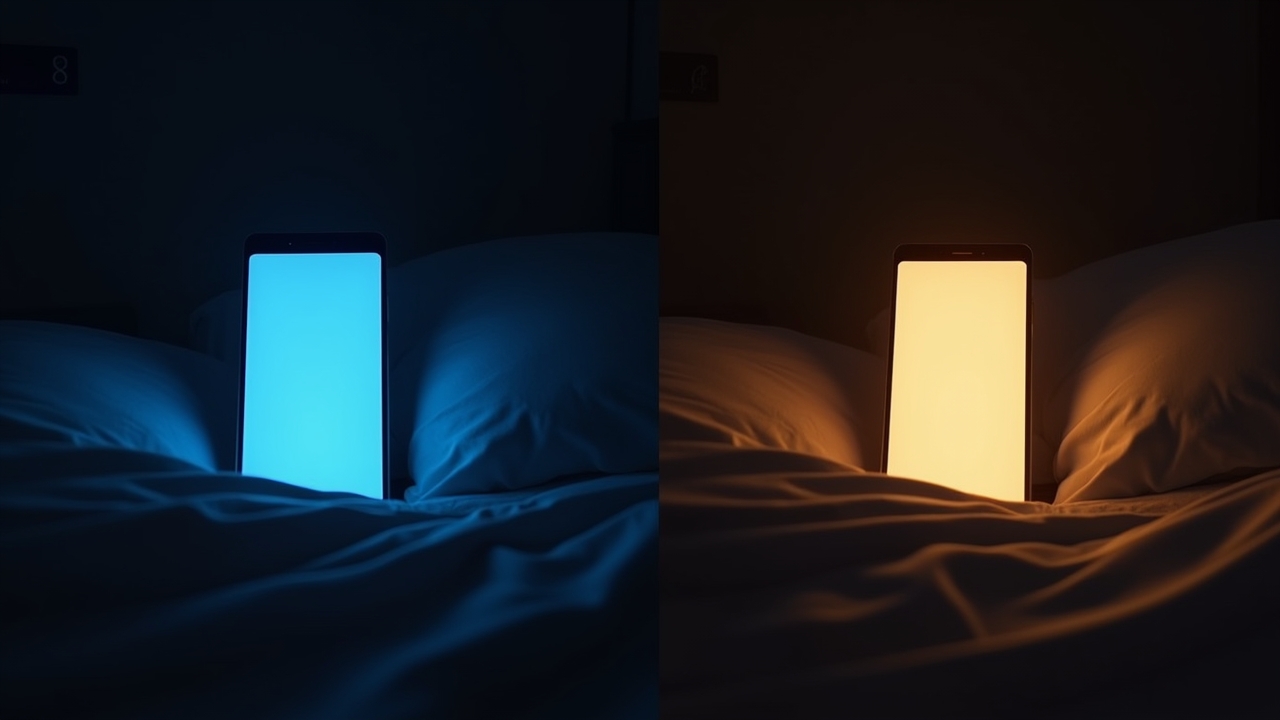
Here’s what was happening to me without even realizing it. Every night, I’d hop into bed around 10 PM and spend an hour on my phone. My brain was being tricked into thinking it was still daytime because of the blue light exposure from the screen.
This artificial light delays the release of melatonin, pushes back your internal clock, and reduces the amount of REM sleep you get. REM sleep is the deep, restorative stage where your brain processes memories and emotions. Less of it means you wake up feeling groggy, irritable, and like you need seven coffees just to function.
Advertisements
I actually tracked my sleep with a wearable for a month. On nights I used my phone in bed, my deep sleep was slashed by almost 30 minutes compared to phone-free nights. That was a wake-up call — pun absolutely intended.
What Actually Worked for Me
Look, I’m not gonna sit here and tell you to throw your phone in a river. That’s not realistic. But a few small changes made a massive difference in my sleep hygiene, and I think they can help you too.
- Set a digital curfew. I stop using screens at least 60 minutes before bed. Was it annoying at first? Absolutely. But now I read actual books and it’s kinda nice.
- Use night mode or blue light filters. Most phones have a built-in setting that shifts the screen to warmer tones in the evening. It’s not perfect, but it helps reduce blue light emission.
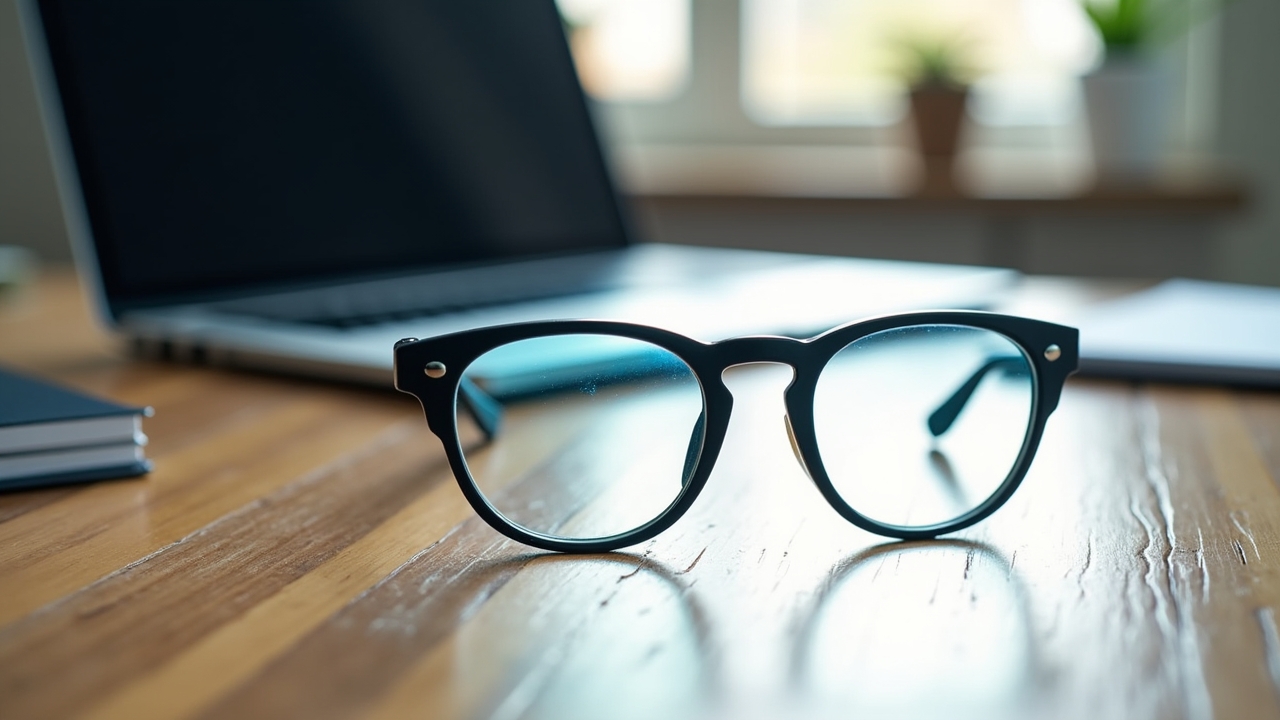
- Try blue light blocking glasses. I was skeptical — they looked goofy — but wearing them during evening screen time noticeably helped me fall asleep faster.
- Dim your environment. I swapped my bedroom bulbs for warm-toned ones. Bright overhead LED lights can also emit significant blue light, and that was something I totally overlooked for years.
- Get morning sunlight. This one sounds counterintuitive, but getting natural blue light exposure in the morning actually helps regulate your sleep-wake cycle so your body knows when nighttime truly arrives.
A Few Things People Get Wrong
One mistake I made early on was thinking dark mode on my phone solved everything. It doesn’t. Dark mode reduces overall brightness and is easier on the eyes, but it doesn’t eliminate blue light wavelengths. You still need a dedicated filter or night shift setting for that.
Also, some folks go overboard and start avoiding blue light during the day. Don’t do that! Daytime blue light exposure is actually beneficial for alertness, cognitive function, and keeping your circadian rhythm on track. The problem is really about timing — it’s the nighttime exposure that messes with your melatonin and sleep onset.
Your Nights Deserve Better
At the end of the day — literally — managing your blue light exposure is one of the simplest things you can do for better sleep. It doesn’t cost much, it doesn’t require a prescription, and the results can be felt within just a few days. I went from tossing and turning most nights to falling asleep in under 20 minutes, and that felt like a legit victory.
Of course, everyone’s different. What worked for me might need some tweaking for you. If you’re dealing with chronic insomnia or serious sleep disorders, please talk to a healthcare professional — screen habits are just one piece of the puzzle.
Want more tips on improving your rest and understanding the science behind it? Head over to the Sleepora Lab blog — we’ve got plenty of posts that dig deeper into sleep science, bedroom optimization, and everything in between. Your future well-rested self will thank you!