
Advertisements
Here’s a wild stat that honestly shook me: the CDC reports that roughly 1 in 3 American adults don’t get enough sleep. I was absolutely one of those people for years. I’d crash into bed after doom-scrolling on my phone, wonder why my brain wouldn’t shut off, and then drag myself through the next day like a zombie. It wasn’t until I finally built a solid wind-down routine for sleep that everything changed for me!
Look, I know “sleep hygiene” sounds like something a doctor lectures you about while you nod politely. But creating a proper bedtime routine is genuinely one of the most impactful things I’ve ever done for my health. Let me walk you through what actually works, based on my own trial-and-error journey.
Why Your Brain Needs a Pre-Sleep Ritual
So here’s the thing most people get wrong — you can’t just flip a switch and fall asleep. Your nervous system doesn’t work like that. I used to think I was broken because I couldn’t fall asleep within five minutes of hitting the pillow, but it turns out my body just needed a signal that it was time to transition from “go mode” to “rest mode.”
According to the Sleep Foundation, a consistent evening routine helps lower your cortisol levels and activates your parasympathetic nervous system. Basically, it tells your body to chill out. Once I understood that, I stopped being so frustrated with myself and started being more intentional about my evenings.
The Relaxation Routine That Actually Saved My Sleep
Alright, let me get specific. My wind-down routine starts about 60 to 90 minutes before I want to be asleep. Not in bed — asleep. That distinction matters, and it took me embarrassingly long to figure it out.
Here’s roughly what my nighttime routine looks like now:
- Screens off by 9 PM. This was the hardest part, honestly. I used to scroll TikTok until my eyes burned. Now I charge my phone in the kitchen, not the bedroom.
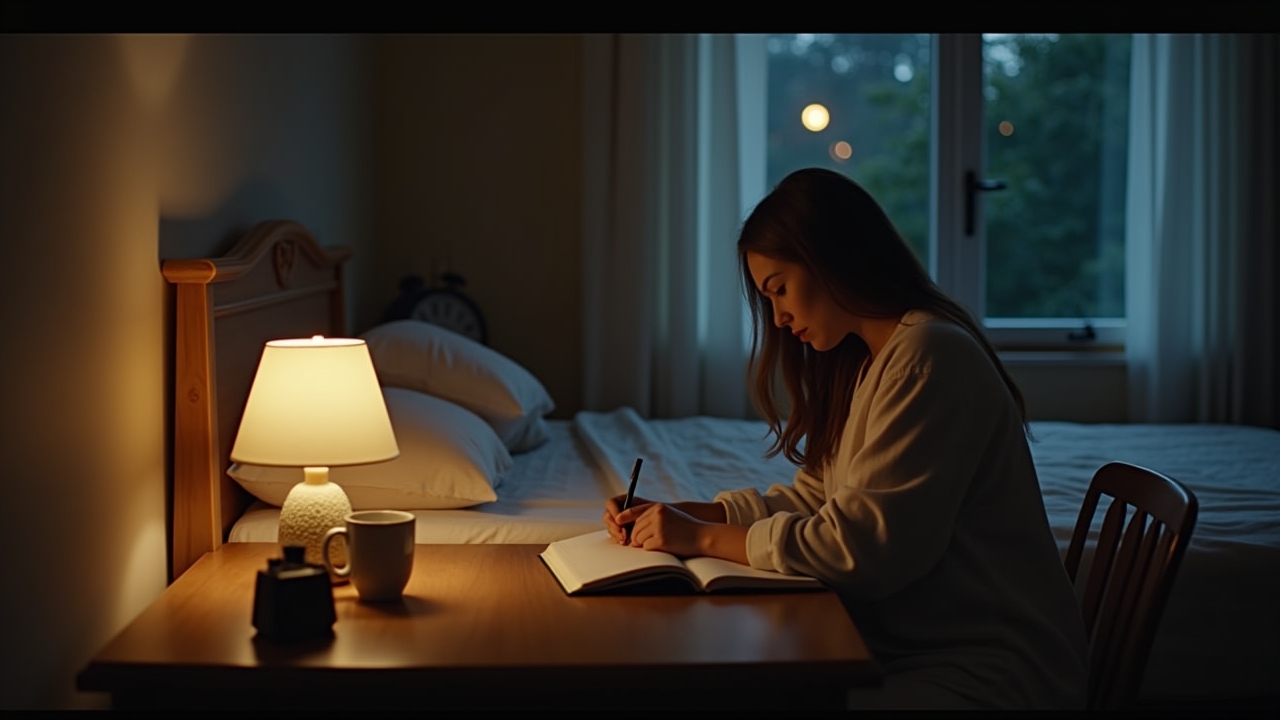
- Dim the lights. I swapped a couple of bulbs for warm-toned ones and it made a surprising difference in signaling my brain that bedtime was approaching.
- Herbal tea ritual. Chamomile or magnesium-infused tea has become my thing. It’s less about the tea itself and more about the habit.
- Light stretching or deep breathing. Nothing intense — just five minutes of gentle yoga or box breathing exercises. This was a game-changer for calming my racing thoughts.
- Reading a physical book. Not a thriller, not something for work. Something kinda boring, if I’m being real. It knocks me out faster than melatonin ever did.
Mistakes I Made That You Should Totally Avoid
Oh man, where do I start. For a while I thought exercising right before bed would tire me out. Nope — it just jacked up my heart rate and kept me wired for another two hours. Evening workouts are fine, but give yourself at least a couple hours buffer before sleep.
Advertisements
I also went through a phase where I’d have a glass of wine to “relax.” Spoiler: alcohol wrecks your sleep quality even if it makes you feel drowsy initially. The Huberman Lab sleep toolkit explains this really well if you want to nerd out on the science.
Another mistake? Being inconsistent. I’d do my routine perfectly on weekdays and then completely abandon it on weekends. Your circadian rhythm doesn’t take days off, folks.
Quick Tips If You’re Just Starting Out
Don’t try to overhaul everything at once. Start with one or two changes — maybe just putting your phone away earlier and dimming the lights. Build from there. Consistency beats perfection every single time when it comes to establishing a calming evening routine.
Your Sleep Is Worth Fighting For
Building a wind-down routine for sleep isn’t glamorous. Nobody’s going to give you a trophy for drinking chamomile tea and reading before bed. But the difference it makes in your energy, mood, and overall health is honestly hard to overstate.
Customize what works for you — maybe journaling is your thing instead of stretching, or maybe you prefer a warm shower over tea. There’s no single perfect formula. Just be patient with yourself and remember that good sleep is a skill you can learn, not a gift some people are born with.
If you found this helpful, head over to Sleepora Lab for more practical tips on improving your rest. We’ve got a bunch of posts that dive deeper into sleep science, relaxation techniques, and building healthier nighttime habits. Sweet dreams!