Advertisements
Did you know that roughly 70 million Americans struggle with some form of sleep disorder? I was one of them for years. I’d lie there staring at the ceiling, my brain running like a hamster wheel at 11 PM, and honestly it was driving me nuts. Then I stumbled onto breathing techniques for sleep, and everything changed. Not overnight — let’s be real — but gradually, these simple relaxation exercises became my secret weapon against insomnia.
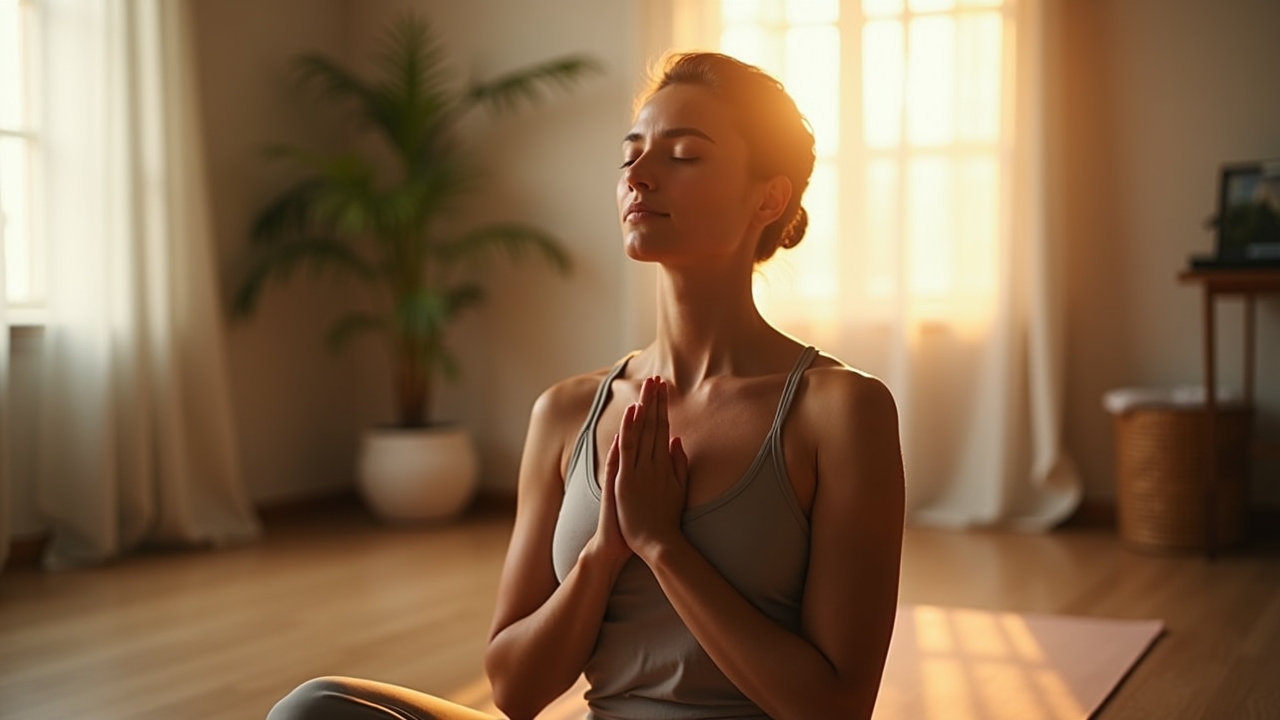
The thing is, most of us never think about how we breathe. We just… do it. But learning to control your breath before bed can actually trick your nervous system into calming down, lowering your heart rate and telling your body it’s safe to drift off.
Why Breathing Exercises Actually Work for Better Sleep
So here’s the deal. When you’re stressed or anxious, your sympathetic nervous system kicks into gear — that’s your fight-or-flight response. Deep breathing activates the parasympathetic nervous system, which is basically the opposite. It’s your body’s built-in chill mode.
I remember reading about this for the first time and thinking, “There’s no way something this simple works.” But after a week of practicing diaphragmatic breathing before bed, I was falling asleep maybe 15 minutes faster. That might not sound like much, but when you’ve been tossing and turning for two hours every night, it feels like a miracle.
The 4-7-8 Breathing Method: My Personal Favorite
This one was developed by Dr. Andrew Weil, and it’s been a total game-changer for me. You inhale through your nose for 4 seconds, hold your breath for 7 seconds, then exhale slowly through your mouth for 8 seconds. That’s it.
Now, I’ll admit the first few times I tried this I messed it up completely. I kept losing count, and the holding part made me feel like I was underwater. But stick with it. After about three or four cycles, you’ll feel this wave of calm wash over you that’s honestly kind of wild.
Advertisements
Box Breathing: Simple and Effective
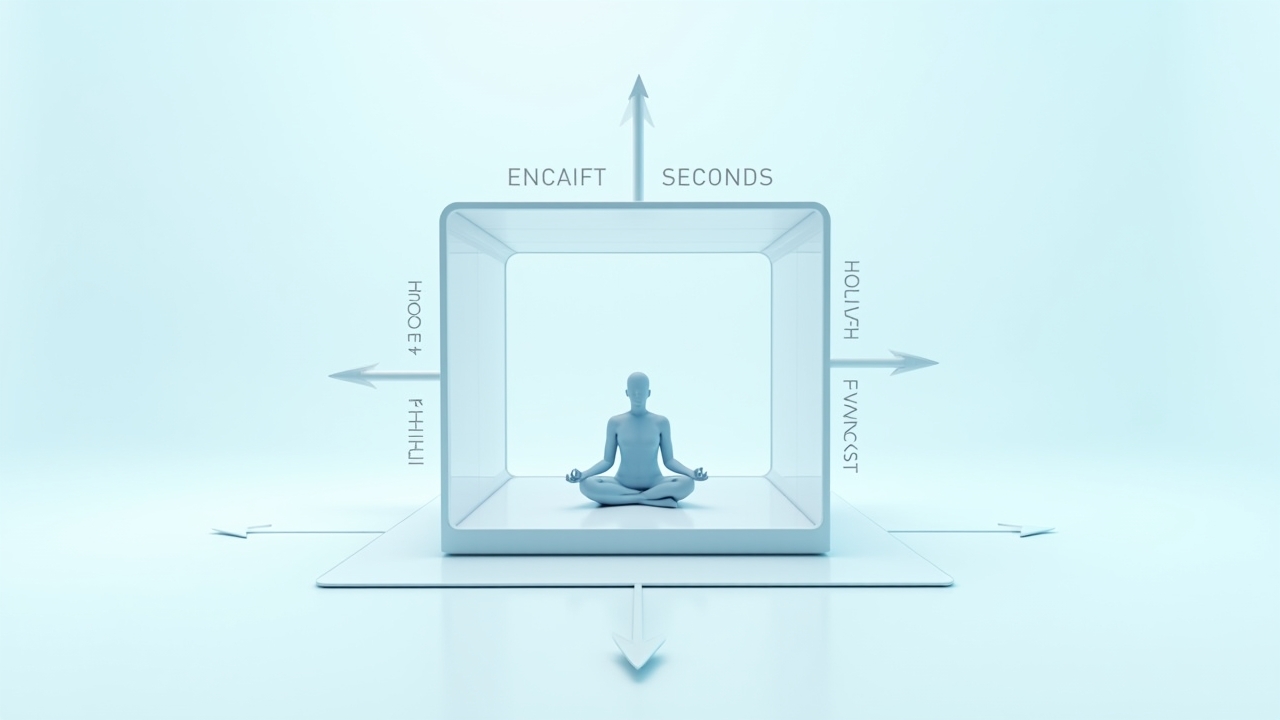
Box breathing is another technique I rotate in, especially on nights when my mind is really racing. It’s super straightforward — inhale for 4 seconds, hold for 4 seconds, exhale for 4 seconds, hold again for 4 seconds. Like drawing the sides of a box with your breath.
Fun fact: this is actually used by Navy SEALs to stay calm under pressure. If it works for them in high-stress situations, it can probably help you wind down for bedtime, right? I use this one particularly after long, stressful workdays when my anxiety is through the roof.
Diaphragmatic Breathing for Deep Relaxation
Also called belly breathing, this technique focuses on engaging your diaphragm rather than taking shallow chest breaths. Place one hand on your chest and the other on your stomach. When you breathe in, your belly should rise — not your chest.
I’ll be honest, I was doing it wrong for like two weeks before I realized my chest was still doing all the work. Once I actually got the hang of it though, the difference in sleep quality was noticeable. My body felt heavier, more relaxed, and I wasn’t waking up at 3 AM anymore.
Quick Tips to Make These Techniques Work Better
- Practice in a dark, cool room to signal your body it’s time for sleep.
- Combine breathing exercises with progressive muscle relaxation for even deeper results.
- Don’t force it — if one technique feels uncomfortable, try another.
- Consistency matters more than perfection. Do it every single night.
- Put your phone away at least 20 minutes before you start your breathwork routine.
Your Breath Is Your Best Sleep Aid
Look, I’ve tried melatonin, white noise machines, weighted blankets — you name it. And some of those things helped a little. But nothing has been as consistently effective for my nighttime routine as simple breathing techniques for sleep. They cost nothing, they have no side effects, and you can do them literally anywhere.
That said, everyone’s different. What works for me might not be your thing, so experiment a bit. And if you’re dealing with serious sleep apnea or chronic insomnia, definitely talk to a healthcare professional — breathwork is amazing, but it’s not a replacement for medical advice.
Want more tips on improving your sleep naturally? Head over to the Sleepora Lab blog where we dive deep into everything from sleep hygiene to the best bedtime rituals. Sweet dreams, friend!