Advertisements
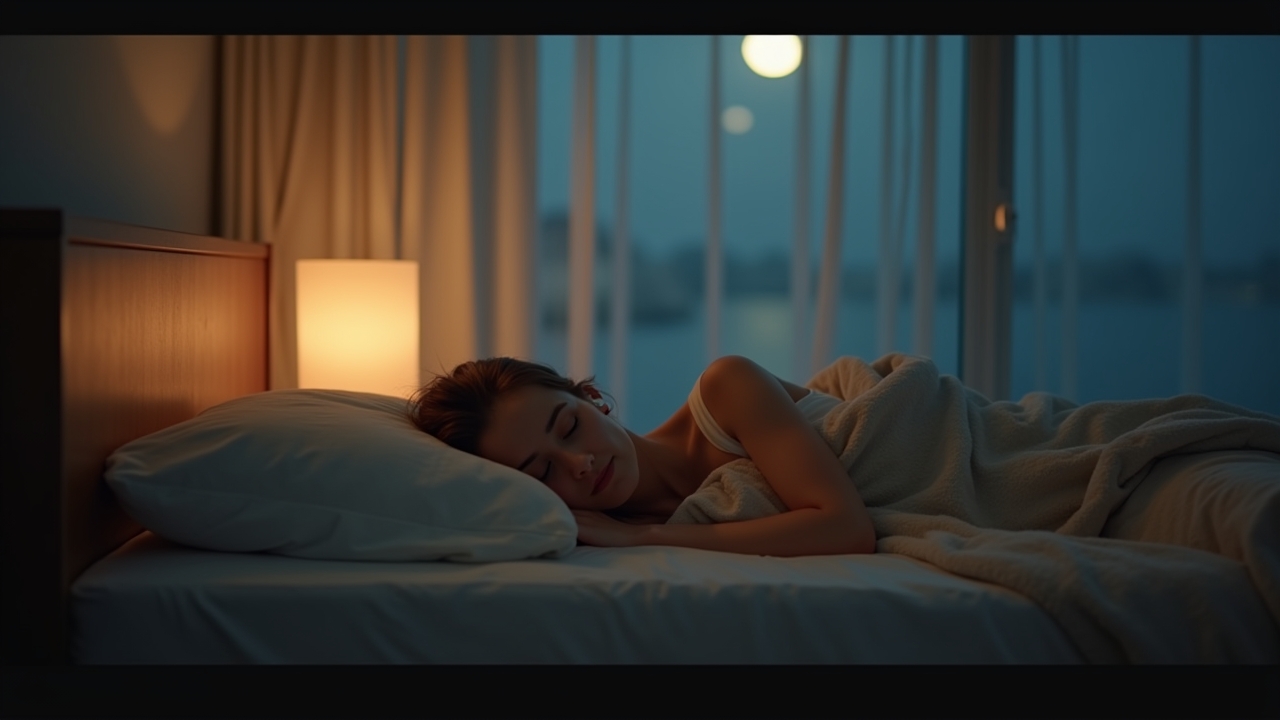
Here’s a wild stat that honestly blew my mind: according to the Sleep Foundation, roughly 74% of Americans say a quiet environment is important for good sleep. But what if adding noise is actually the secret to sleeping better? I know, it sounds totally backwards. A few years ago, I was the worst sleeper you’d ever meet — tossing, turning, staring at the ceiling like it owed me money. Then a coworker casually mentioned white noise for sleep, and honestly, it changed everything for me.
What Exactly Is White Noise and Why Does It Work?
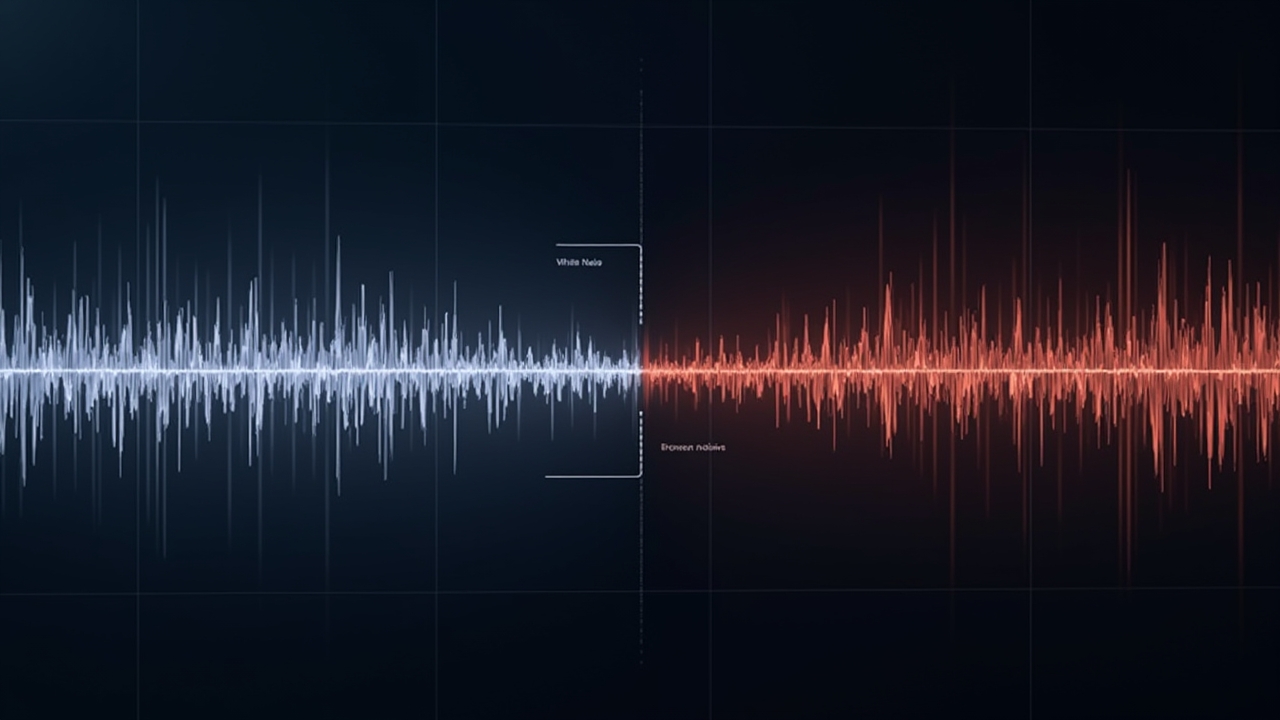
So white noise is basically a consistent sound that covers the entire range of audible frequencies at equal intensity. Think of it like a sound blanket that masks other noises. It’s the audio equivalent of how white light contains all colors of the spectrum — nerdy, I know, but stick with me.
The reason it works for sleep is pretty straightforward. Your brain doesn’t actually “turn off” when you sleep, and sudden changes in noise — like a car door slamming or your neighbor’s dog losing its mind at 2 AM — can jolt you awake. White noise creates a steady ambient sound that smooths over those disruptions, so your brain stays in a relaxed state.
I remember the first night I tried it. I used a free app on my phone and just played static-like sound all night. I woke up feeling like a completely different person, and I was honestly a little mad nobody told me about this sooner.
My Biggest Mistakes When I Started Using White Noise
Okay, let me save you some trouble. My first mistake was cranking the volume way too high. I thought louder meant better sleep, but I actually woke up with a headache. The CDC recommends keeping sound exposure below 70 decibels for prolonged periods, so keep it at a comfortable, low-to-moderate level.
My second mistake? Putting the speaker right next to my head on the pillow. Not great for your ears, friends. Place your sound machine or phone across the room or on a nightstand — you want the sound to fill the space, not blast directly into your ear canal.
Also, I went through a phase where I tried every single sound variation in one week. Brown noise, pink noise, fan sounds, rain sounds, ocean waves — I was all over the place. The key is to pick one and give it at least three to five nights before switching. Your brain needs time to associate that specific sound with sleep.
Advertisements
Best Ways to Use White Noise for Better Sleep
After a lot of trial and error, here’s what actually works based on my experience and what sleep experts suggest:
- Start the white noise about 15-20 minutes before you plan to fall asleep so your brain can begin winding down.
- Keep the volume low — just loud enough to mask background noise but not so loud it becomes the disturbance.
- Use a dedicated white noise machine if possible, since phones can interrupt with notifications.
- Try different sound types like pink noise or brown noise if pure white noise feels too harsh — they’re smoother and deeper.
- Let it play all night instead of using a timer, because consistency is what protects your sleep cycles.
One thing I gotta mention — this stuff works amazingly well for babies and kids too. When my niece was a newborn, my sister was desperate for sleep solutions. I recommended a white noise machine and she literally texted me “YOU ARE A GENIUS” at 6 AM because the baby slept through the night for the first time.
Is White Noise Safe for Every Night?
This is something I wondered about for a long time. The short answer is yes, for most adults, nightly use at reasonable volumes is perfectly safe. However, some researchers have raised concerns about long-term dependency — meaning you might struggle to sleep without it eventually.
Personally, I’ve been using it for about three years and I can still fall asleep without it on vacation or whatever. It’s just way easier with it. If you’re worried, try using it only on nights when you really need it, like when the environment is noisy or your mind won’t shut up.
Your Sleep Journey Starts Tonight
Look, I’m not gonna pretend white noise for sleep is some magical cure-all. But combined with good sleep hygiene — consistent bedtime, dark room, no screens before bed — it can be an absolute game changer. It was for me, and I’ve seen it work for family and friends too.
Just remember to keep the volume safe, give yourself a few nights to adjust, and don’t be afraid to experiment with different sound types until you find your match. Everyone’s ears and brain are a little different, so what works for me might not be your thing.
If you found this helpful and want more practical sleep tips, make sure to check out the Sleepora Lab blog — we’ve got tons of articles to help you finally get the rest you deserve. Sweet dreams!