Exercise Timing and Sleep: What I Learned After Months of Getting It Wrong
Advertisements
Here’s a stat that honestly blew my mind: according to the Sleep Foundation, people who exercise regularly fall asleep 13 minutes faster and get 18 extra minutes of sleep per night. Sounds amazing, right? Well, for the longest time, I was exercising at the absolute worst hours and wondering why I was staring at my ceiling at 2 AM like some kind of frustrated owl. Turns out, exercise timing and sleep quality are way more connected than most of us realize, and getting it wrong can totally wreck your night.
My Late-Night Gym Disaster
So let me paint the picture for you. About two years ago, I was hitting the gym at like 9 PM because that’s when my schedule allowed it. I’d do heavy lifting, some intense cardio, the whole nine yards.
Then I’d come home wired out of my mind, heart still pounding, and expect my body to just magically wind down. Spoiler alert: it didn’t work. I was laying there for hours with my brain buzzing and my legs doing that restless twitching thing that drives you absolutely nuts.
What I didn’t understand at the time was that vigorous exercise raises your core body temperature and spikes cortisol levels. Your body needs time to cool down and for those stress hormones to settle before it can produce melatonin properly. The Johns Hopkins Medicine team explains this really well — aerobic exercise can improve sleep onset, but the timing matters a ton.
The Sweet Spot: When Should You Actually Work Out?
After doing a bunch of research and honestly just experimenting on myself like a guinea pig, I found that morning and early afternoon workouts gave me the best sleep. Like, noticeably better. We’re talking falling asleep in under 15 minutes instead of my usual hour-long toss-and-fest.
Here’s what the science says and what worked for me personally:
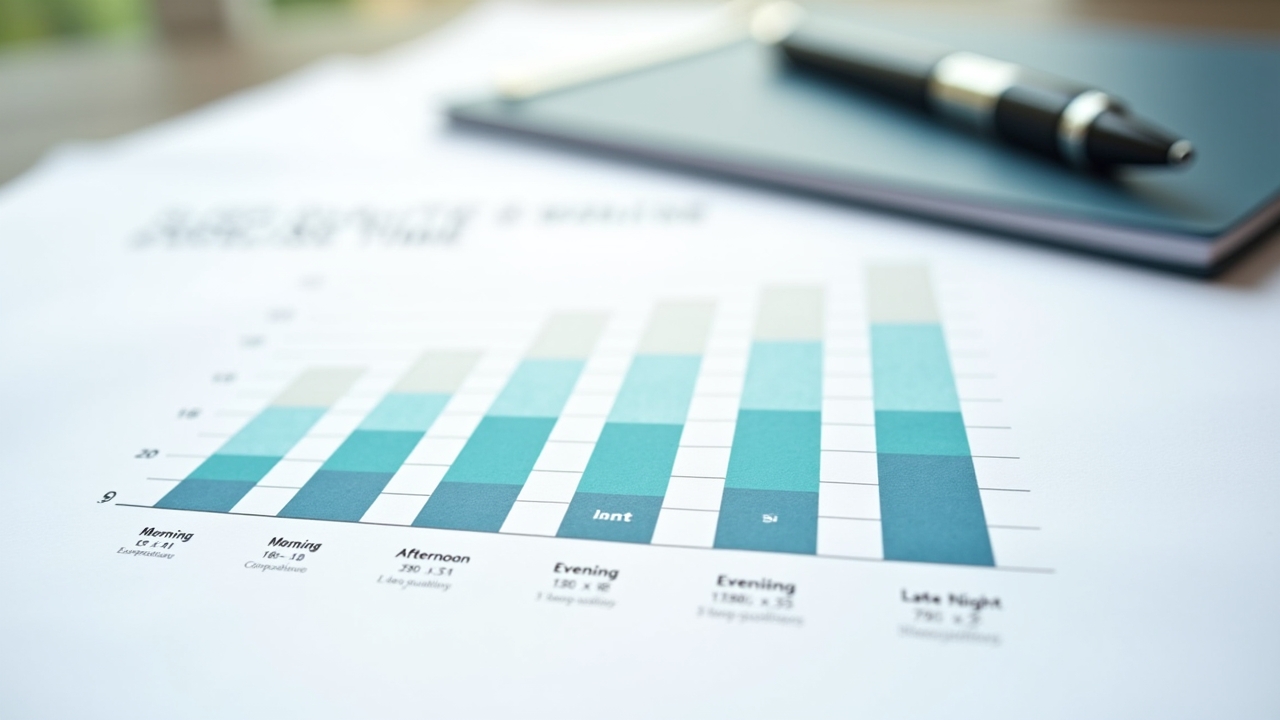
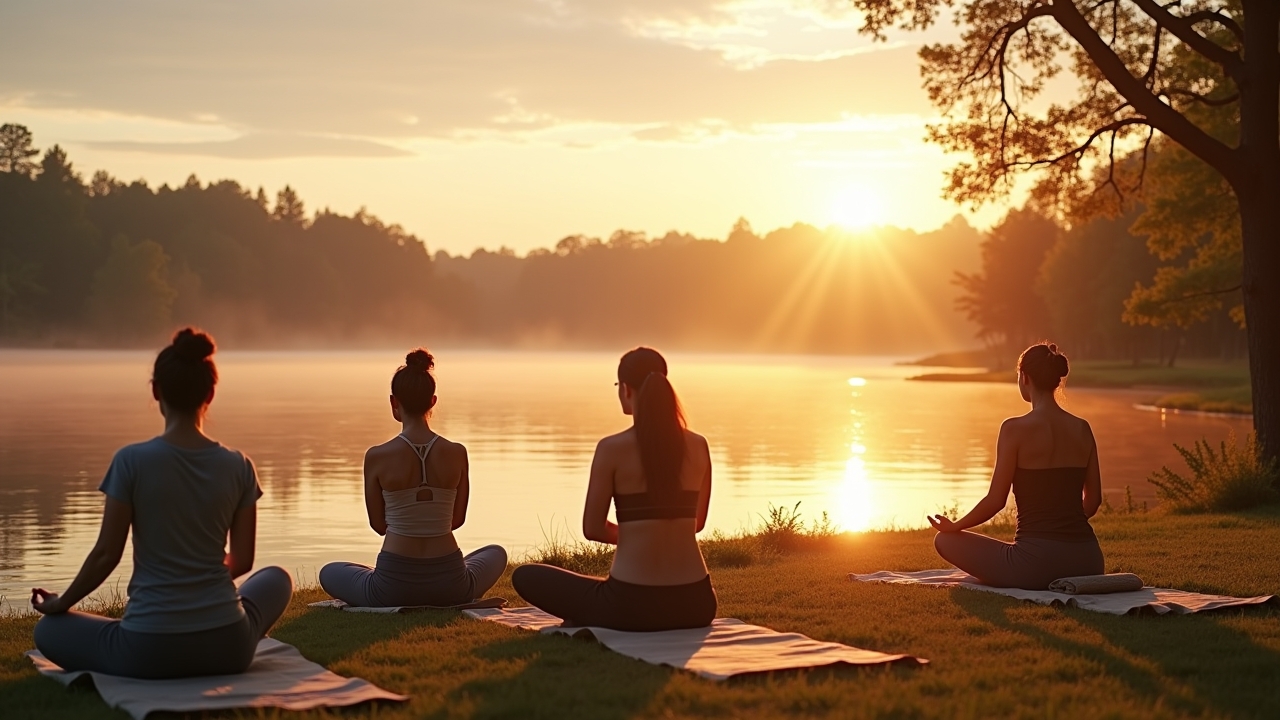
- Morning exercise (6-10 AM): This was the golden window. It helped regulate my circadian rhythm and I felt naturally tired by bedtime.
- Afternoon exercise (1-4 PM): Still great for sleep quality. Your body temperature peaks in the afternoon, so workouts feel easier too.
- Evening exercise (5-7 PM): Moderate stuff like yoga or walking was totally fine. No issues falling asleep afterward.
- Late night exercise (after 8 PM): High-intensity stuff here was my downfall. If you must work out late, keep it gentle.
A 2018 meta-analysis published in Sports Medicine actually confirmed that evening exercise doesn’t necessarily hurt sleep — as long as it’s not vigorous activity done within one hour of bedtime. That was a game changer for me to learn.
Advertisements
What I Do Now (And Why It Actually Works)
These days, I do my main workout around 7 AM. It’s usually a mix of strength training and a 20-minute jog. On days when mornings just ain’t happening — because life, ya know — I’ll do a brisk walk or some light stretching in the evening instead.
The biggest thing that helped was creating a consistent workout schedule. Your body’s internal clock, or circadian rhythm, loves predictability. When you exercise at roughly the same time each day, your sleep-wake cycle gets reinforced and your sleep latency — that’s the fancy term for how long it takes to fall asleep — actually decreases over time.
Oh, and here’s a random tip that nobody told me: don’t take pre-workout supplements after 3 PM. I learned that one the hard way. The caffeine content in those things is absolutely wild and it was being completely overlooked as a reason for my poor sleep hygiene.
Your Move: Finding What Works for Your Body
Look, the relationship between exercise timing and sleep is real, but it’s also personal. What wrecked my rest might work perfectly fine for you. The key is to pay attention to how your body responds and adjust accordingly. Don’t just blindly follow someone else’s routine — including mine.
Start by tracking when you exercise and how you sleep that night. Give each schedule at least a week before judging it. And please, if you have underlying health conditions or serious insomnia, talk to a doctor before overhauling your fitness routine.
If you found this helpful and want to dig deeper into better rest, head over to Sleepora Lab where we’re constantly sharing practical, no-fluff tips to help you sleep like you actually deserve to. Trust me, your future well-rested self will thank you!