Advertisements
Here’s a wild stat that blew my mind: nearly 30% of people who buy a fitness wearable stop using it within six months. I was one of them! I bought a fancy smartwatch to monitor my sleep, wore it for maybe three weeks, and then it just sat on my nightstand collecting dust. The thing bothered my wrist, and honestly, I slept worse wearing it. That’s when I started digging into ways to track sleep without a wearable, and let me tell you, I wish I’d known about these options sooner.
Why Ditch the Wearable in the First Place?
Look, wearables are great for some people. But for those of us who toss and turn, having something strapped to your wrist feels like a tiny prison. I’m a side sleeper, and the watch would dig into my arm every single night.
There’s also the anxiety factor. I’d wake up, immediately check my “sleep score,” and then feel terrible about a bad number before my feet even hit the floor. Some researchers call this orthosomnia — basically obsessing over sleep data to the point where it actually ruins your sleep. Yeah, that was totally me.
Under-the-Mattress Sleep Trackers Are a Game Changer
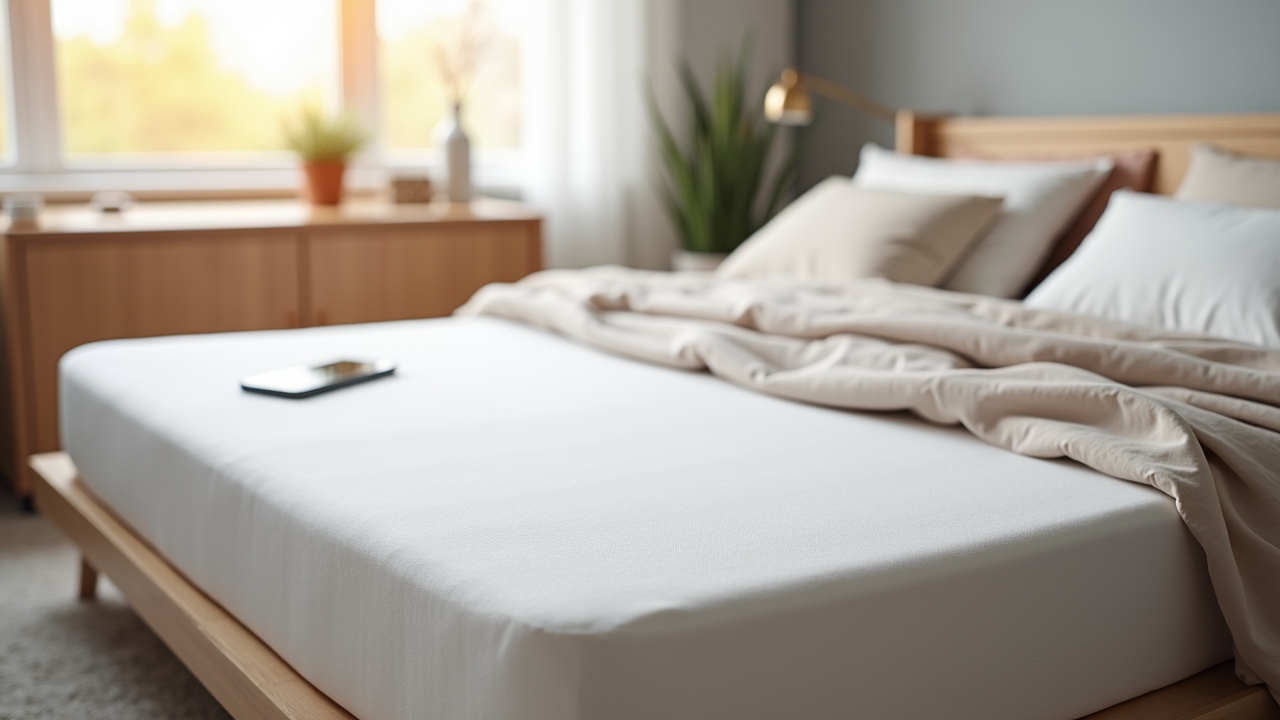
This was the first alternative I tried, and honestly it felt like magic. You slip a thin sensor pad under your mattress, and it tracks your sleep stages, heart rate, and breathing patterns without you feeling a thing. The Withings Sleep Analyzer is one I’ve personally used for over a year now.
Setup took me about five minutes. You just connect it to Wi-Fi, slide it under your mattress, and the app does the rest. The data it collects on sleep cycles and nighttime disturbances has been surprisingly accurate when I compared it against my partner’s smartwatch readings.
Bedside Sleep Monitors That Use Radar or Sound
So this category kinda blew my mind. Contactless sleep monitors sit on your nightstand and use radar technology or sonar to detect your movement and breathing while you sleep. No wearable, no mat under the bed — nothing touching you at all.
Google’s Nest Hub (2nd gen) actually has a built-in sleep sensing feature that uses radar. I borrowed my brother’s for a week to test it out, and I was impressed by how it detected when I was restless versus in deep sleep. The Amazon Halo Rise was another option, though it’s been discontinued — worth mentioning since you might find one secondhand.
Advertisements
Don’t Overlook Your Smartphone
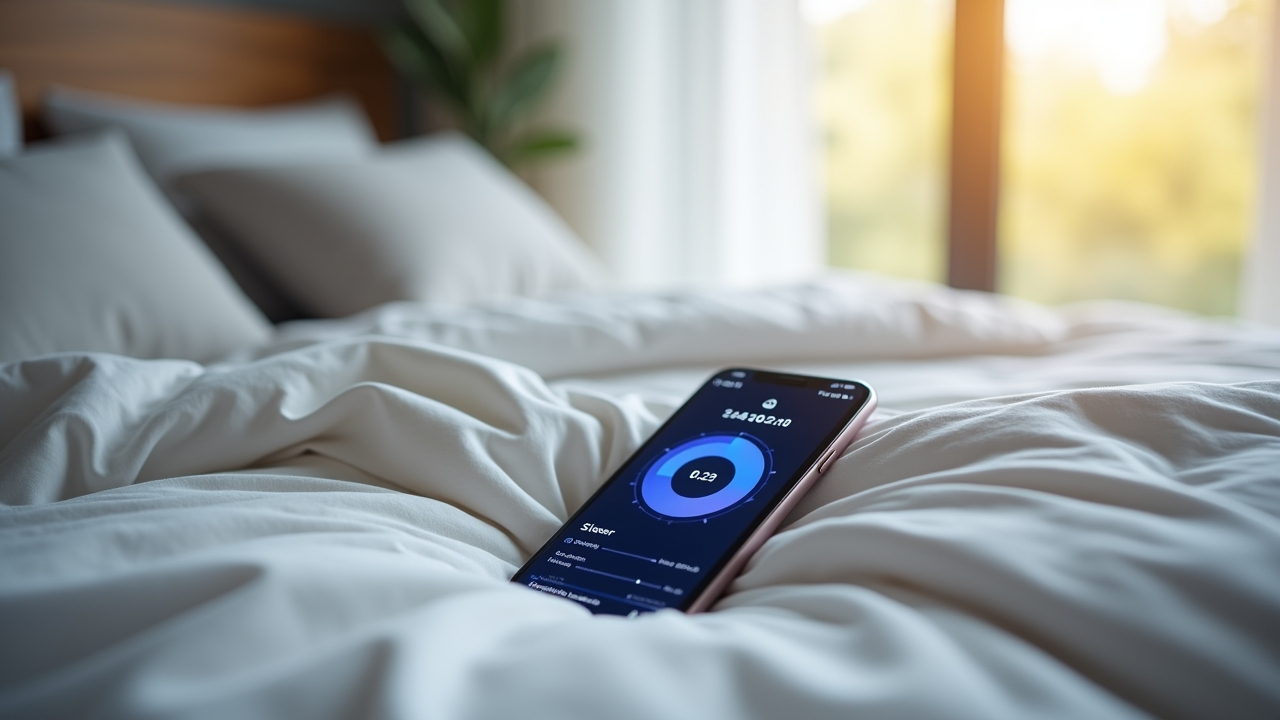
Here’s something I overlooked for the longest time. Your phone can actually do a decent job of basic sleep tracking. Apps like Sleep as Android or Apple’s built-in Health app use your phone’s accelerometer to monitor movement when placed on the mattress beside you.
Is it as accurate as a dedicated device? Nope, not even close. But for a free option that gives you a rough picture of your sleep duration and restlessness, its pretty solid. I used this method for months before upgrading to a mattress sensor and it helped me realize I was waking up way more than I thought.
The Old-School Sleep Diary Still Works
I know, I know — a paper journal sounds ancient compared to radar sensors. But sleep specialists still recommend keeping a sleep diary because it captures stuff that technology can’t, like what you ate, your stress level, or that espresso you probably shouldn’t have had at 4 PM. Combining a simple diary with a non-wearable tracker gives you a really complete picture of your sleep health.
Sweet Dreams, No Gadget on Your Wrist Required
The bottom line is you absolutely don’t need something strapped to your body to understand your sleep patterns. Whether you go with a mattress sensor, a bedside radar device, a smartphone app, or even just a notebook, what matters is paying attention to how you sleep and making adjustments that work for your life.
Just remember — no tracker replaces professional medical advice if you suspect a serious sleep disorder like sleep apnea. These tools are for awareness, not diagnosis. Experiment, find what feels right, and don’t let the data stress you out more than it helps you.
If you found this helpful, head over to Sleepora Lab for more tips on improving your sleep naturally — we’ve got a ton of posts that dive deeper into sleep hygiene, bedroom setups, and relaxation techniques you’ll actually want to try!