
Advertisements
Did you know that roughly 1 in 3 adults don’t get enough sleep on a regular basis? I was definitely one of them. For years, I’d toss and turn, wake up groggy, and just accept it as “how I am.” Then a friend casually mentioned she’d been using a sleep diary template, and honestly, I rolled my eyes at first. But let me tell you — tracking my sleep patterns changed everything, and I wish I’d started way sooner!
A sleep diary is one of the simplest tools you can use to understand your sleep habits, and it’s often the first thing doctors recommend before any sleep study. So let’s talk about what a solid sleep diary template looks like and how to actually use one without it feeling like homework.
What Exactly Is a Sleep Diary Template?
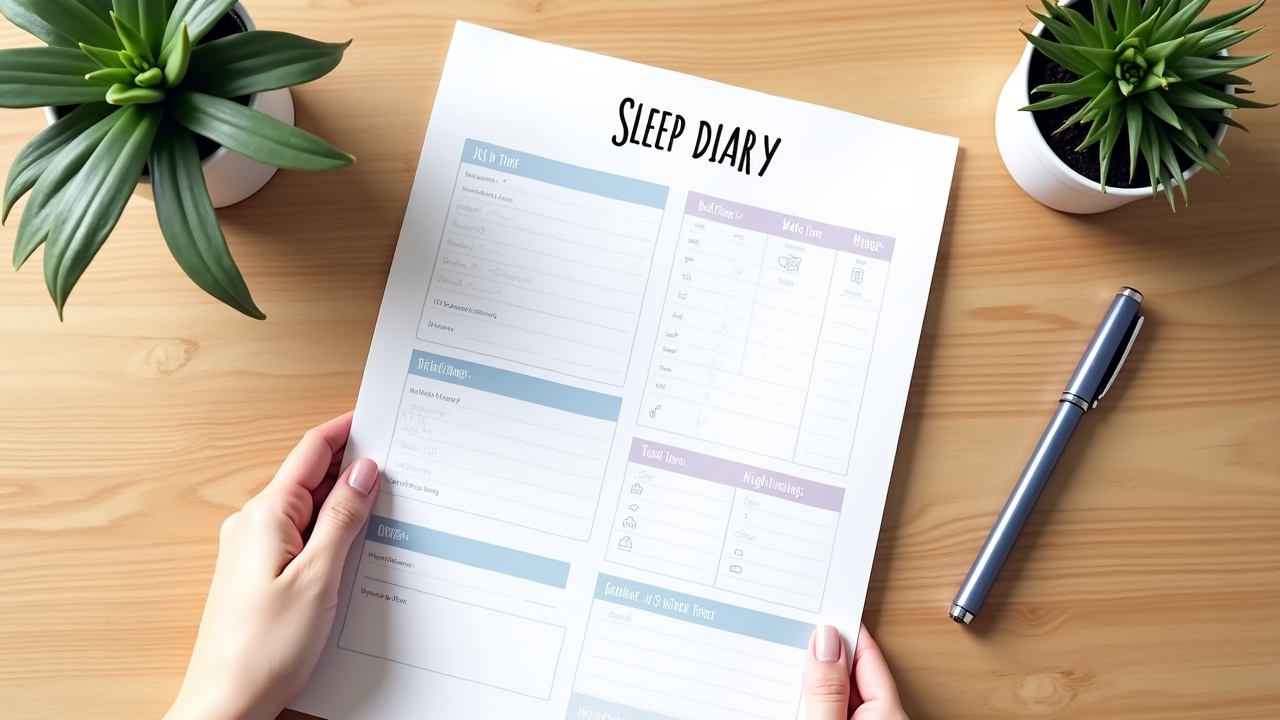
A sleep diary template is basically a structured log where you record details about your nightly rest. We’re talking bedtime, wake-up time, how long it took you to fall asleep, nighttime awakenings — all the stuff you’d normally forget by breakfast. The Sleep Foundation actually offers a great overview of why these logs matter so much.
When I first started mine, I used a crumpled notebook on my nightstand. It was messy and I kept forgetting columns. That’s why having an actual template matters — it gives you consistency so the data is actually useful over time.
What Should Your Sleep Log Include?
Here’s where I messed up early on. I was only tracking what time I went to bed and what time I woke up. But a good sleep diary template captures way more than that. You want to paint a full picture of your sleep quality.
- The time you got into bed and the time you tried to fall asleep (these are often different!)
- Estimated sleep onset latency — basically how long it took you to drift off
- Number of times you woke up during the night
- Final wake-up time and the time you actually got out of bed
- Caffeine or alcohol intake during the day
- Any naps you took and for how long
- A sleep quality rating from 1 to 5
- Notes on stress levels, screen time before bed, or exercise
The National Heart, Lung, and Blood Institute emphasizes how these factors all contribute to sleep deprivation, so logging them is pretty crucial if you want real insights.
How I Actually Use My Sleep Tracker Every Day
Okay, so here’s the thing — I fill out part of it at night and part of it in the morning. Before bed, I jot down my caffeine intake, whether I exercised, and my stress level. Then in the morning, I record everything about the actual sleep itself while it’s still fresh.
Advertisements
One mistake I made was trying to be too precise. Like, I’d stress about whether I fell asleep at 11:14 or 11:22. Don’t do that to yourself. Estimates are totally fine, and most sleep specialists will tell you the same thing.
After about two weeks, patterns started jumping out at me. I noticed that on days I had coffee after 2 PM, my sleep onset was almost always longer. Game changer. I also realized my weekend sleep schedule was wildly inconsistent, which was messing up my whole circadian rhythm.
Printable vs. Digital — Which Works Better?
Honestly, this comes down to personal preference. I’ve tried both. Printable sleep diary templates are great because there’s no screen involved right before bed — and we all know blue light isn’t doing our melatonin production any favors. You can find a solid printable version from the Centre for Clinical Interventions.
On the other hand, digital sleep journal apps can auto-calculate your total sleep time and sleep efficiency percentage for you. That’s pretty handy if you plan on sharing the data with a doctor or sleep therapist. I personally switched to a printable template because filling it out by hand became part of my wind-down routine.
Your Sleep Story Starts Tonight
Look, a sleep diary template isn’t some magic cure for insomnia or restless nights. But it’s the foundation for understanding what’s really going on with your sleep health. The data you collect gives you — and your doctor — something concrete to work with instead of just saying “I sleep badly.”
Feel free to tweak any template to fit your life. Add a column for your mood, your dinner time, whatever feels relevant. The best sleep log is one you’ll actually stick with.
And if you’re looking for more tips on improving your rest and building better bedtime habits, head over to the Sleepora Lab blog — we’ve got plenty of articles to help you sleep smarter, not harder. Sweet dreams!