Advertisements
Here’s a wild stat that honestly blew my mind when I first stumbled across it: people with higher heart rate variability tend to spend up to 20% more time in deep sleep stages. I remember reading that on a random Tuesday night while doom-scrolling through PubMed studies at 1 AM — ironic, I know. But it completely changed how I think about sleep quality, and honestly, it’s something I wish I’d learned way earlier in life!
If you’ve ever woken up after a “full” eight hours and still felt like garbage, HRV might be the missing piece of your puzzle. Let me walk you through what I’ve learned the hard way over the past couple years of obsessing over this stuff.
What Is HRV and Why Should You Even Care?
So heart rate variability — or HRV — is basically the variation in time between each heartbeat. It’s not the same as your heart rate, and that’s where I got confused at first. Your heart doesn’t beat like a metronome; there are tiny fluctuations measured in milliseconds, and those fluctuations actually tell you a LOT about your autonomic nervous system.
A higher HRV generally means your body is more resilient and better at handling stress. Lower HRV? That often signals your sympathetic nervous system is running the show — basically your fight-or-flight mode is stuck on. The Harvard Health Blog has a great breakdown of this if you want to nerd out on the science.
The Connection Between HRV and Sleep Quality
Here’s where it gets really interesting. Your HRV fluctuates throughout the night, and those fluctuations are closely tied to your sleep stages — particularly deep sleep and REM sleep. When your parasympathetic nervous system kicks in (the “rest and digest” side), HRV goes up, and that’s when your body does its best recovery work.
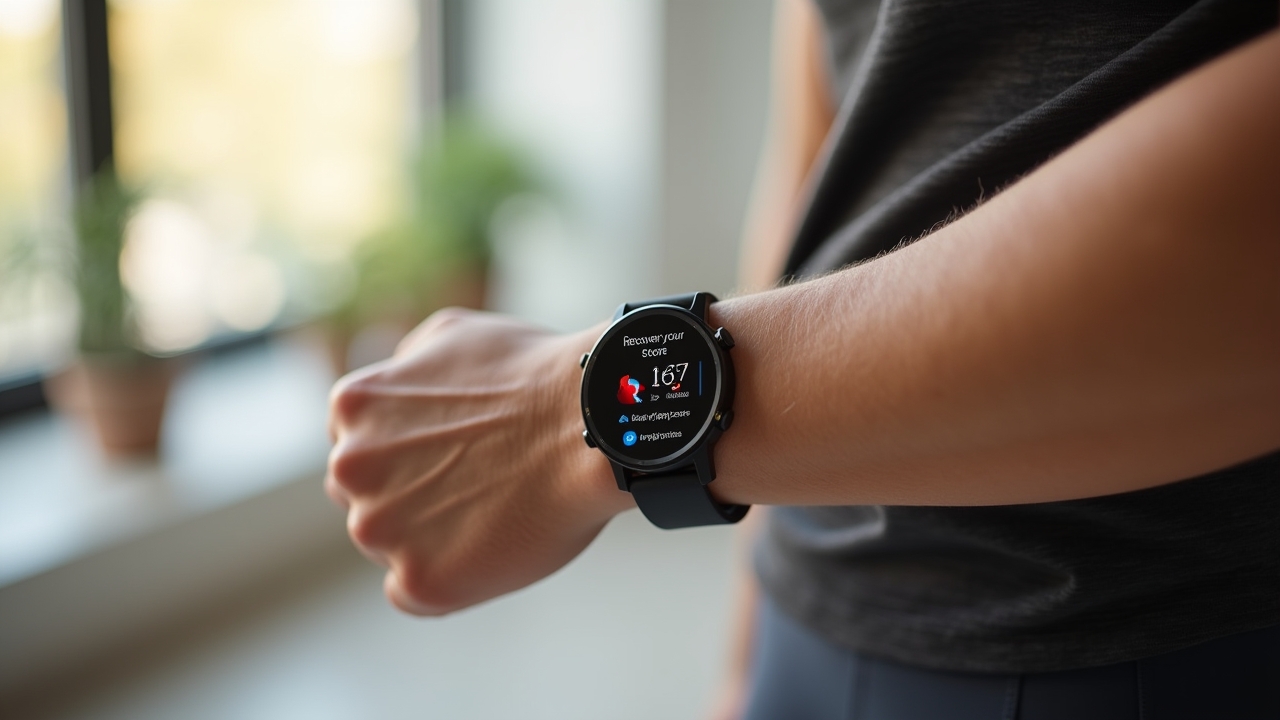
I started tracking my overnight HRV with a wearable ring about two years ago. The patterns were honestly eye-opening. Nights where I had a couple of beers? My HRV would tank and I’d get almost no deep sleep, even if I slept for nine hours.
On the flip side, nights where I followed a solid wind-down routine, my HRV was noticeably higher and I’d wake up feeling like a completely different person. It was like finally having data to prove what my body had been trying to tell me all along.
Advertisements
Mistakes I Made (So You Don’t Have To)
My biggest mistake was obsessing over the numbers every single morning. I’d wake up, check my HRV score, and if it was low, I’d basically decide my day was ruined before my feet even hit the floor. That stress alone probably made things worse — talk about a self-fulfilling prophecy.
Another thing I got wrong was thinking supplements alone would fix everything. I spent way too much money on magnesium glycinate and ashwagandha before realizing that my sleep hygiene was fundamentally broken. No supplement is gonna save you if you’re staring at your phone in bed until midnight.
Practical Tips That Actually Moved the Needle for Me
After a lot of trial and error, here’s what genuinely improved both my HRV and my sleep quality:
- Consistent sleep schedule — Going to bed and waking up within the same 30-minute window, even on weekends, was a game-changer for my circadian rhythm.
- Cut caffeine after noon — I used to have coffee at 3 PM and couldn’t figure out why I was restless. Duh.
- Evening breathwork — Just five minutes of slow, diaphragmatic breathing before bed. The Wim Hof Method site has some good starting techniques, though I do a gentler version at night.
- Cool bedroom temperature — Keeping the room around 65°F (18°C) made a measurable difference in my overnight HRV readings.
- No alcohol within 3 hours of sleep — This one hurt, but the data don’t lie.
A Quick Note on Tracking
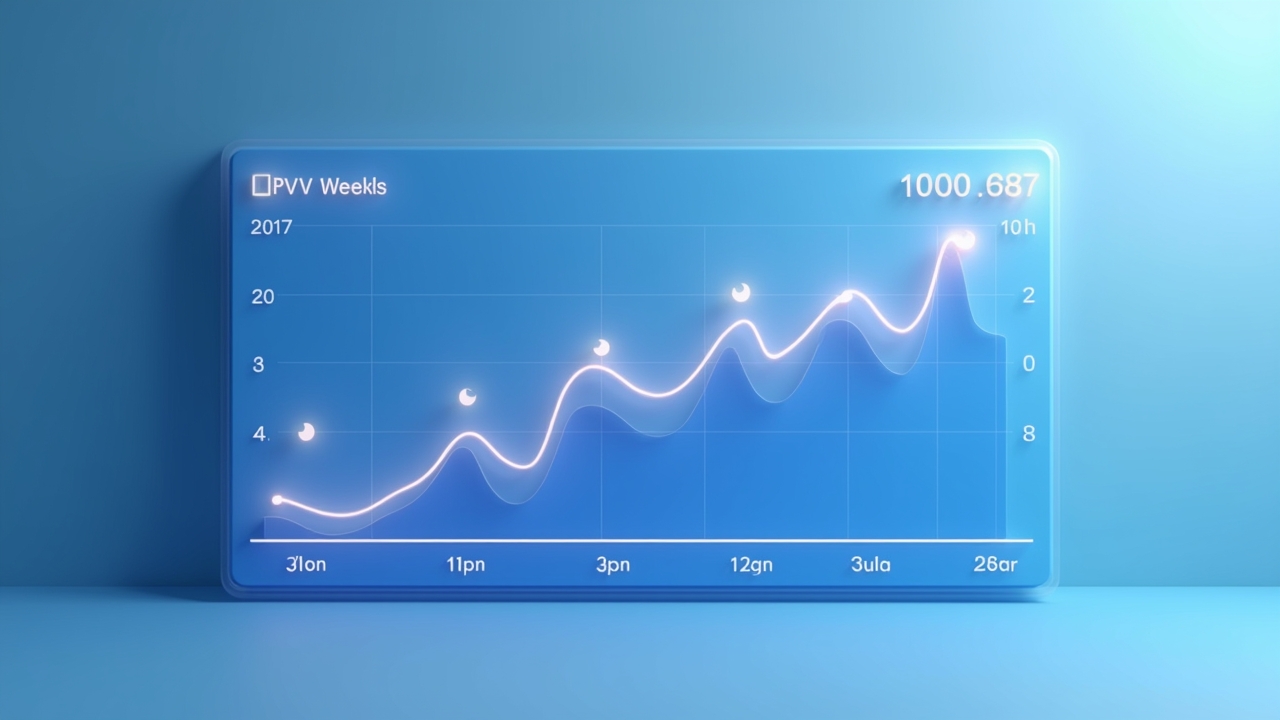
You don’t need a $300 wearable to get started. Even apps like Elite HRV paired with a basic chest strap can give you solid morning readings. The key is tracking trends over weeks, not obsessing over daily numbers like I did.
Your Sleep Deserves More Than Guesswork
Look, understanding the relationship between HRV and sleep quality isn’t about becoming a data scientist. It’s about giving yourself one more tool to actually feel rested and recovered. What works for me might need tweaking for you — your body, your stress levels, your lifestyle are all different.
Just please don’t ignore the basics while chasing fancy metrics. And always check with your doctor if your HRV readings seem consistently off, because sometimes low heart rate variability can signal underlying health concerns that need professional attention.
If you found this helpful, there’s a whole bunch more where this came from. Head over to the Sleepora Lab blog for more deep dives on sleep science, recovery tips, and honest reviews of the tools that actually work. Sweet dreams, folks!