Insomnia After Menopause: What Finally Helped Me Sleep Again
Advertisements
Here’s a stat that honestly blew my mind — according to the Sleep Foundation, up to 60% of postmenopausal women experience insomnia symptoms. Sixty percent! When I first started dealing with insomnia after menopause, I genuinely thought something was broken in me. Turns out, I was far from alone.
Sleep problems after menopause are one of those things nobody really warns you about. Everyone talks about hot flashes and mood swings during perimenopause, but the chronic sleeplessness that lingers long after your last period? That part gets whispered about, if it’s mentioned at all. So let me be loud about it — postmenopausal insomnia is real, it’s exhausting, and there are things that actually help.
Why Menopause Wrecks Your Sleep in the First Place
Okay, so here’s what I’ve learned after way too many 3 a.m. Google sessions. The drop in estrogen and progesterone that comes with menopause doesn’t just stop when your periods do. These hormones play a huge role in regulating your sleep-wake cycle, and when they tank, your ability to fall asleep — and stay asleep — goes right along with them.
Progesterone is basically nature’s sedative, and losing it was like someone yanked my sleep blanket away. On top of that, night sweats can persist well into postmenopause for some women, which was definitely my case. I’d wake up drenched at 2 a.m. and then just… lie there, staring at the ceiling, my brain suddenly deciding it was the perfect time to replay every awkward thing I said in 2011.
The Johns Hopkins Medicine page on insomnia explains how hormonal changes directly affect sleep architecture. It was honestly validating to read that — I wasn’t imagining things.
The Mistakes I Made Trying to Fix It
Let me save you some trouble. I tried a bunch of stuff that either didn’t work or made things worse. For a while, I was drinking chamomile tea by the gallon — like, I thought more was better? It mostly just made me pee at midnight.
Then I went through a phase where I took melatonin supplements every single night without really understanding the dosage. Turns out, most people take way too much melatonin, and it can actually mess with your natural sleep rhythm if you’re not careful. I also made the classic mistake of scrolling my phone in bed “just to relax,” which is basically the opposite of what your brain needs.
Advertisements
What Actually Helped Me Sleep After Menopause
After months of trial and error, here’s what genuinely moved the needle for my postmenopausal sleep problems:
- Cognitive Behavioral Therapy for Insomnia (CBT-I): This was a game-changer. The Mayo Clinic recommends CBT-I as a first-line treatment, and honestly, it rewired how I think about sleep.
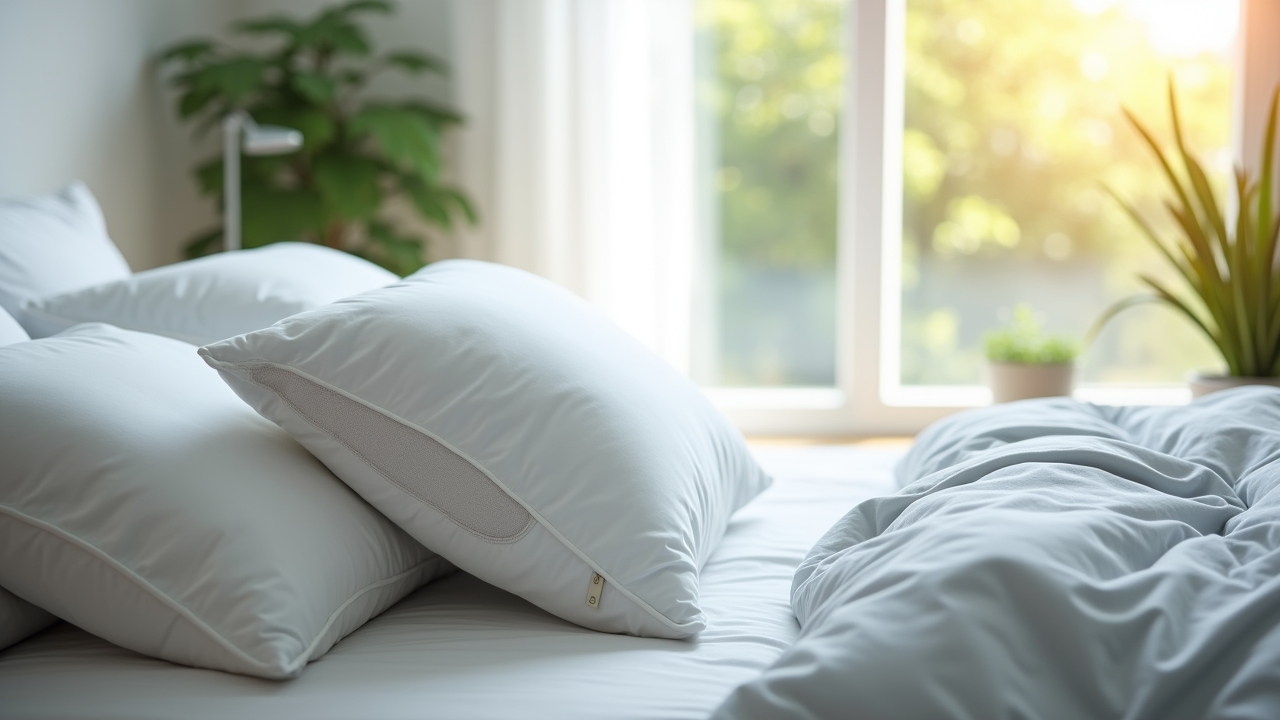
- Keeping the bedroom cool: I’m talking 65°F. A cooling mattress pad was one of the best purchases I ever made for managing night sweats.
- A consistent sleep schedule: Even on weekends. Yeah, it’s annoying. But my body finally started getting the message.
- Limiting caffeine after noon: I used to have coffee at 3 p.m. like it was no big deal. It was a big deal.
- Talking to my doctor about HRT: Hormone replacement therapy isn’t for everyone, but having that conversation with my gynecologist was important. She helped me weigh the risks and benefits for my specific situation.
When You Should Talk to a Doctor
If your sleep deprivation is affecting your daily life — your job, your mood, your relationships — please don’t just push through it. Chronic insomnia after menopause can increase your risk of anxiety, depression, and even cardiovascular issues. That’s not me being dramatic, that’s straight from the research.
A sleep specialist can rule out other conditions like sleep apnea, which actually becomes more common in women after menopause. I didn’t know that until my doctor mentioned it, and honestly I felt a little foolish for not asking sooner.
You Deserve Rest — Go Get It
Look, insomnia after menopause isn’t something you just have to “deal with.” There are real, evidence-based strategies that work, but what works for me might not be your perfect combo. Customize your approach, be patient with yourself, and always loop in a healthcare professional before starting supplements or medications.
If you’re hungry for more sleep tips and honest conversations about getting better rest, come hang out with us over at Sleepora Lab. We’ve got a ton of posts that might help you finally get the sleep you’ve been missing. You deserve a good night’s rest — seriously.