Advertisements
Here’s a wild stat that honestly blew my mind — roughly 30 to 50 percent of people with obstructive sleep apnea also deal with insomnia. When I first learned that, I was like, wait, those are two completely different problems, right? Turns out, sleep apnea and insomnia are way more connected than most of us realize, and understanding that link can seriously change how you approach your sleep health!
I spent years thinking my lousy sleep was just garden-variety insomnia. Couldn’t fall asleep, woke up at 3 a.m. staring at the ceiling, felt like a zombie by noon. It wasn’t until a friend casually mentioned I snored like a freight train during a camping trip that the idea of sleep-disordered breathing even crossed my mind.
What Even Is the Connection Between Sleep Apnea and Insomnia?
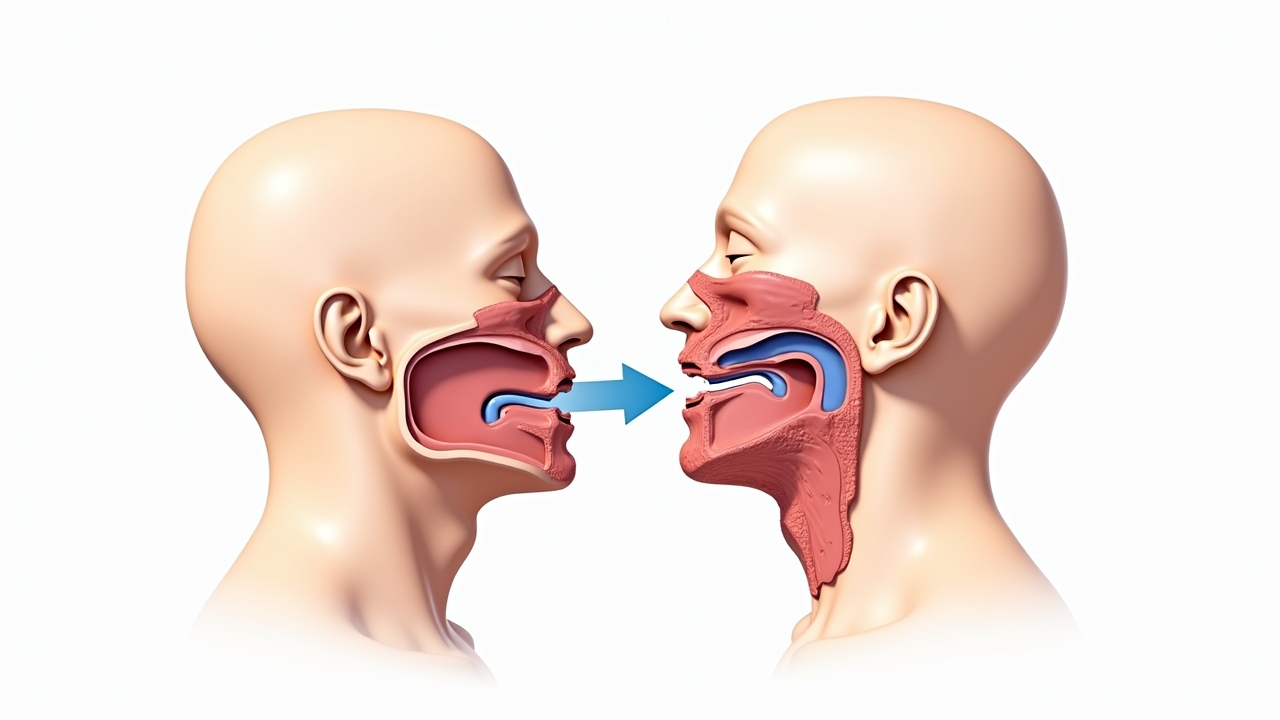
So here’s the deal. Sleep apnea is when your airway gets partially or fully blocked while you sleep, causing you to stop breathing repeatedly throughout the night. Insomnia, on the other hand, is the chronic difficulty of falling asleep or staying asleep. When you have both at the same time, doctors call it comorbid insomnia and sleep apnea, or sometimes just COMISA.
Think about it this way — your brain keeps waking you up because you literally can’t breathe, and then your body starts associating the bed with wakefulness and anxiety. It becomes this vicious cycle. The apnea disrupts your sleep architecture, and the insomnia makes it nearly impossible to get back to sleep once you’ve been jolted awake.
My Own Frustrating Journey With Both
I’ll be honest, I made some dumb mistakes along the way. For about two years, I was treating just the insomnia — popping melatonin, trying every sleep hygiene tip on the internet, even doing a brief stint with prescription sleep aids. None of it worked long-term because I was basically putting a Band-Aid on half the problem.
When I finally got a sleep study done, they found I had moderate obstructive sleep apnea with an AHI of 22. That means I was having around 22 breathing interruptions per hour. No wonder I felt like garbage every morning!
Signs You Might Be Dealing With Both Conditions
This is where things get tricky because the symptoms overlap a ton. But here are some red flags that were pointed out to me that I wish I’d known sooner:
Advertisements
- You snore loudly but also have trouble falling asleep in the first place.
- You wake up multiple times at night gasping or feeling anxious.
- Daytime sleepiness hits you hard even when you think you slept enough hours.
- You experience morning headaches combined with nighttime restlessness.
- Your partner notices pauses in your breathing while you sleep.
- Standard insomnia treatments just aren’t cutting it for you.
If a few of those sound familiar, it’s seriously worth talking to a sleep specialist. Don’t just Google your way through it like I did for way too long.
What Actually Helped Me Get Better Sleep
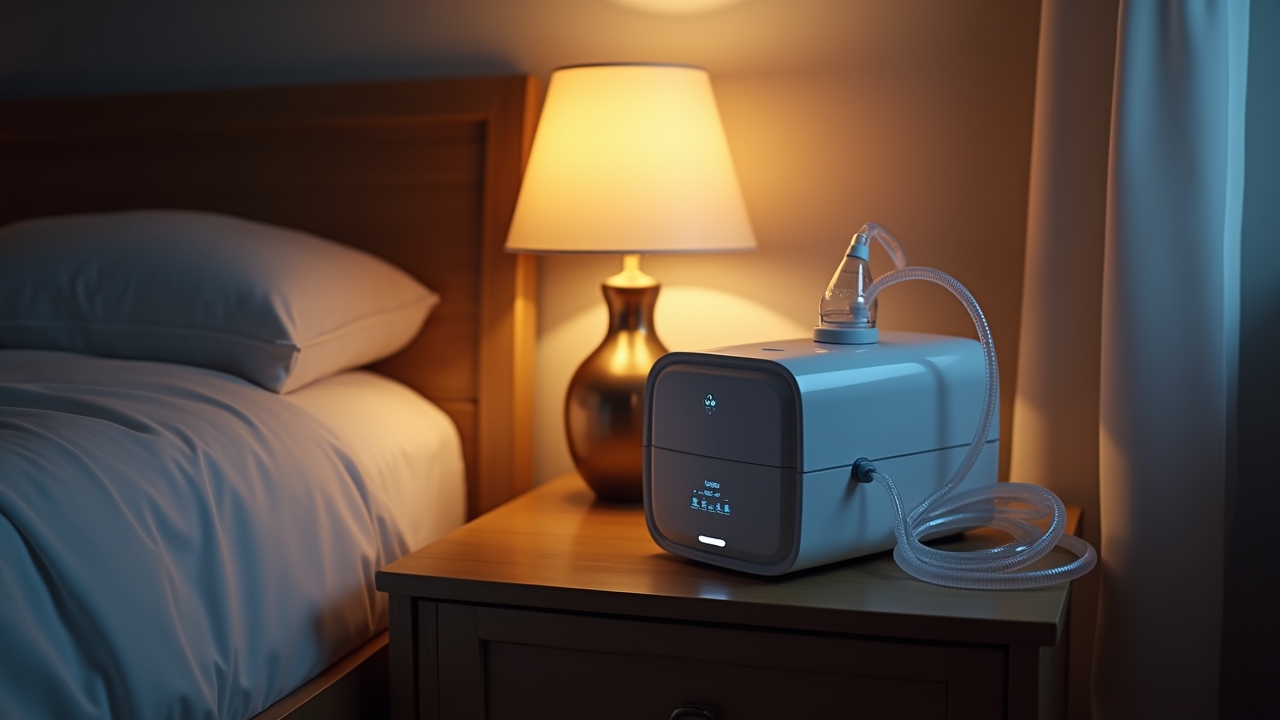
Once I got diagnosed with both sleep apnea and chronic insomnia, my treatment plan was kind of a two-pronged approach. For the apnea, I started using a CPAP machine. I’m not gonna lie, the first few weeks with that thing were rough — felt like sleeping with a vacuum cleaner strapped to my face.
For the insomnia side, my doctor recommended cognitive behavioral therapy for insomnia, also known as CBT-I. This was a game-changer. It basically retrained my brain to stop associating the bed with anxiety and wakefulness, and the results were honestly way more lasting than any pill I ever tried.
Here’s a practical tip that sounds counterintuitive but worked wonders for me — sleep restriction. You temporarily limit the time you spend in bed to match the actual hours you’re sleeping. It felt awful at first, but within a couple weeks my sleep efficiency went through the roof.
A Few Things I Wish Someone Had Told Me Earlier
First off, don’t try to diagnose yourself. I wasted so much time reading forums and convincing myself it was just stress. A proper overnight polysomnography or even a home sleep test can give you actual data to work with. Secondly, treating only one condition while ignoring the other is basically setting yourself up to fail.
Also — and this is kind of a side note — watch your alcohol intake. I used to have a glass of wine before bed thinking it helped me relax. Turns out alcohol relaxes your throat muscles too, which makes apnea episodes way worse. That little change alone made a noticeable difference in my sleep quality.
Your Sleep Is Worth Fighting For
Look, living with both sleep apnea and insomnia is exhausting — literally and figuratively. But the good news is that once you identify what’s really going on, there are solid, evidence-based treatments that can help you reclaim your nights. Everyone’s situation is a little different, so what worked for me might need some tweaking for you.
Please don’t ignore persistent sleep problems or assume it’s just part of getting older. Talk to your doctor, get the sleep study, and explore your options. And if you’re looking for more practical sleep tips and honest conversations about rest, come hang out with us over at Sleepora Lab — we’ve got plenty more where this came from.