Jet Lag Recovery Tips That Actually Work (From Someone Who’s Suffered Through It)
Advertisements
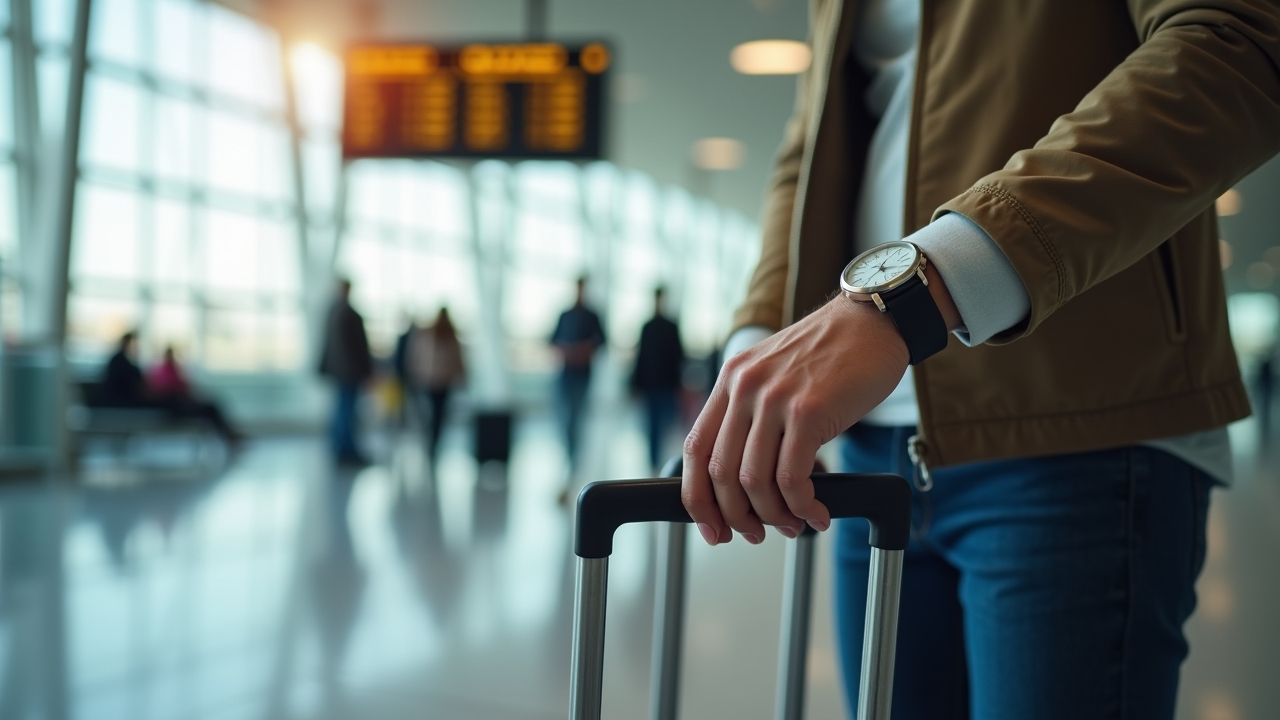
Here’s a fun little fact that isn’t fun at all: jet lag can mess with your body for roughly one day per time zone crossed. So when I flew from New York to Tokyo a couple years ago — that’s 13 hours ahead — my body was basically broken for nearly two weeks! I remember sitting in a ramen shop at 2 PM, completely unable to keep my eyes open, while my travel buddy was bouncing around like nothing happened.
Whether you’re a frequent flyer or planning your first big international trip, knowing how to beat jet lag is honestly a game-changer. Your circadian rhythm — that internal body clock telling you when to sleep and wake — gets completely thrown off when you cross multiple time zones. And if you don’t have a recovery plan, you’ll waste precious vacation days feeling like a zombie.
Start Adjusting Your Sleep Schedule Before You Fly
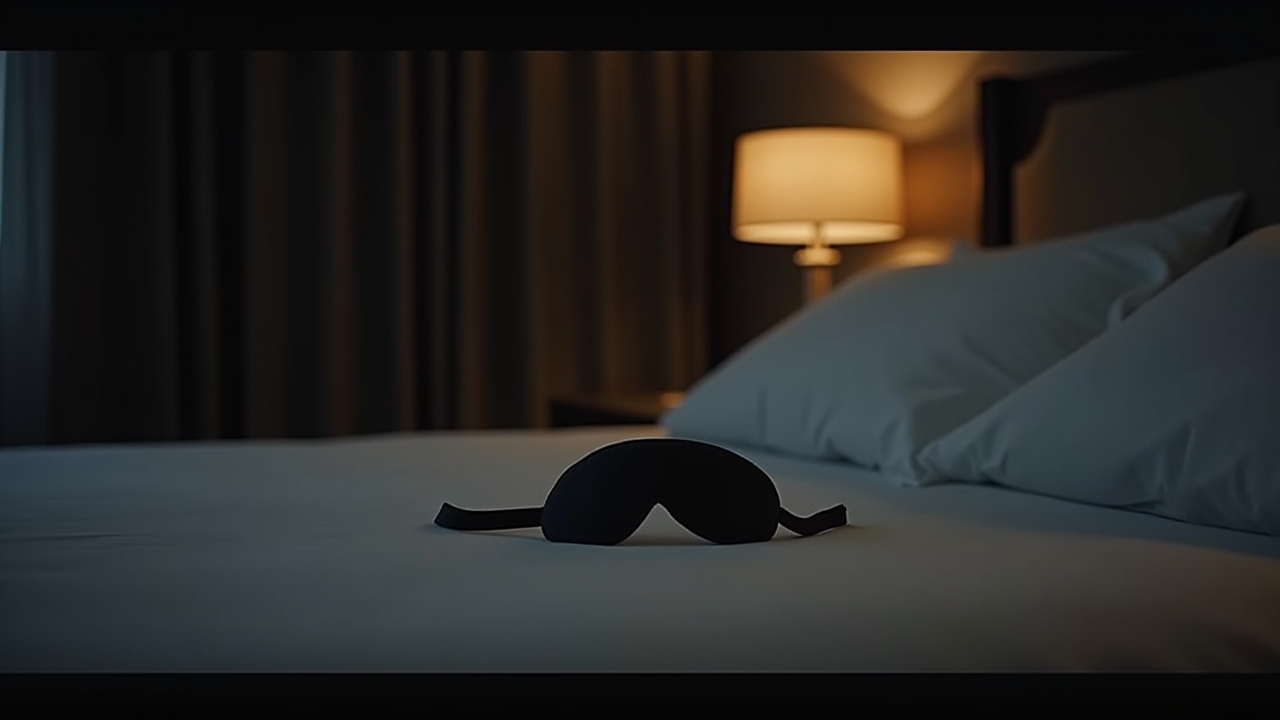
This one sounds almost too simple, but trust me, it works. About three or four days before your trip, start shifting your bedtime by 30 minutes to an hour each night in the direction of your destination’s time zone. I didn’t do this before my Tokyo trip, and I paid the price big time.
On my next international flight to London, I gradually moved my sleep time earlier by about 45 minutes each night for a week. The difference was night and day — pun totally intended. My body wasn’t as shocked when I landed, and I actually felt somewhat human by day two.
Light Exposure Is Your Secret Weapon
Okay so this is the tip that most people overlook, and it’s probably the most important one. Sunlight is the single biggest factor in resetting your internal clock. When you arrive at your destination, get outside and soak up natural light during the daytime hours — it tells your brain “hey, it’s time to be awake now.”
According to the Mayo Clinic, strategic light exposure is one of the most effective jet lag remedies available. If you’re traveling east, get morning sunlight. Heading west? Afternoon and evening light is your friend.
I’ll be honest, when someone first told me to “just go stand in the sun,” I thought it was ridiculous. But it genuinely helped more than any supplement I’ve ever tried.
Advertisements
Stay Hydrated and Skip the Booze on the Plane
I know, I know. That free glass of wine on a long-haul flight is tempting. But airplane cabins are already super dehydrating, and alcohol just makes everything worse. Travel fatigue plus dehydration plus alcohol equals jet lag on steroids — learned that lesson the hard way flying back from Barcelona.
Instead, drink water like it’s your job. Bring an empty bottle through security and fill it up at the gate. Herbal tea is also a solid choice if you want something warm and comforting during the flight.
Melatonin Can Help, But Don’t Overdo It
A low dose of melatonin — we’re talking 0.5 to 3 milligrams — taken about 30 minutes before your desired bedtime at the new destination can genuinely help. It’s not a magic pill though. I made the mistake once of taking 10 mg because I figured more was better, and I woke up feeling groggy and disoriented for half the next day.
Start small. See how your body responds. And please check with your doctor first, especially if you’re on other medications.
Quick Jet Lag Recovery Checklist
- Gradually adjust your sleep schedule 3-4 days before departure
- Get natural sunlight at your destination during appropriate hours
- Stay hydrated before, during, and after your flight
- Avoid alcohol and caffeine close to bedtime
- Use low-dose melatonin strategically
- Try to eat meals on your new local schedule
- Take short naps (20 minutes max) if you’re really struggling
Your Next Trip Doesn’t Have to Start With Exhaustion
Look, jet lag is annoying but it doesn’t have to ruin the first chunk of your trip. The key is being proactive — not reactive — about your sleep and circadian rhythm adjustment. Everyone’s body is a little different, so experiment with these tips and figure out what combination works best for you.
And obviously, if you have underlying sleep disorders or health conditions, talk to a healthcare professional before trying new supplements or drastically changing your sleep patterns. Safety first, always.
Want more tips on getting better sleep and optimizing your rest? Head over to the Sleepora Lab blog — we’ve got tons of articles on sleep hygiene, travel wellness, and everything in between. Your well-rested self will thank you!