How Morning Sunlight Fixed My Terrible Sleep (And Why It Can Fix Yours Too)
Advertisements
Here’s a stat that honestly blew my mind: roughly 70 million Americans suffer from chronic sleep problems. I was one of them for years. It wasn’t until I stumbled onto the connection between morning sunlight and sleep that things finally started to change for me!
I used to think sleep was all about what you did at night — the blackout curtains, the melatonin gummies, the whole wind-down routine. Turns out, the single most powerful thing I could do for my sleep quality happened before 10 a.m. Let me walk you through why getting sunlight in the morning is basically a cheat code for better rest.
Why Morning Sunlight Actually Matters for Your Circadian Rhythm
So your body has this internal clock called the circadian rhythm, and it basically runs the show when it comes to your sleep-wake cycle. Morning light exposure is what tells your brain, “Hey, it’s daytime, stop producing melatonin and wake up.” Without that signal, your body clock drifts, and suddenly you’re lying in bed at midnight staring at the ceiling like a weirdo.
I learned this the hard way. For about two years, I worked from home and barely saw sunlight before noon. My sleep onset got later and later — I’m talking 1 a.m., sometimes 2 a.m. I genuinely thought something was wrong with me.
When bright natural light hits your eyes early in the day, it suppresses melatonin production and kicks off a timer. Roughly 14 to 16 hours later, your body starts releasing melatonin again, making you feel sleepy at a reasonable hour. It’s honestly that simple, and it’s been backed by research from places like the Huberman Lab at Stanford.
My Morning Sunlight Routine (And the Mistakes I Made First)
When I first heard about this, I tried looking at the sun through my kitchen window while sipping coffee. Yeah, that doesn’t really work. Glass filters out a huge chunk of the beneficial light wavelengths your eyes need to reset your circadian clock.
You gotta actually get outside. Here’s what finally worked for me:
Advertisements
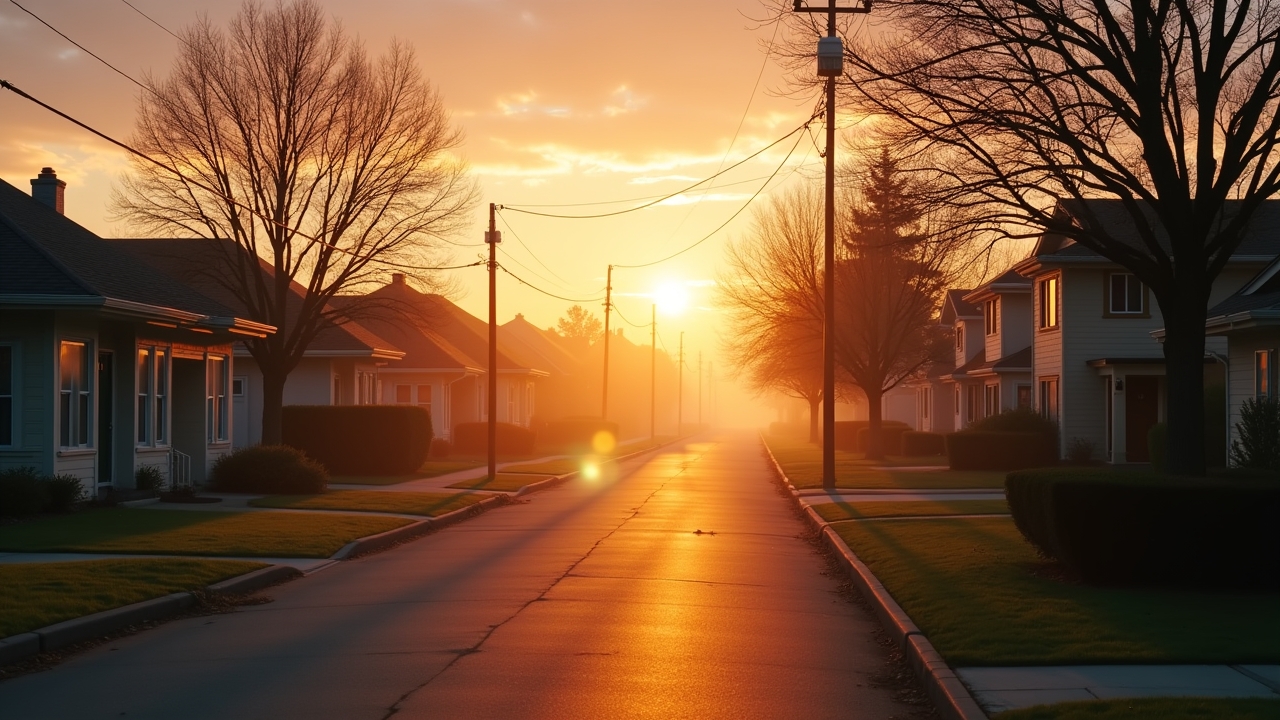
- I step outside within 30 to 60 minutes of waking up.
- I spend about 10 to 15 minutes in direct morning sunlight — no sunglasses.
- On cloudy days, I stay out a bit longer, maybe 20 to 30 minutes, because the light intensity is lower.
- I combine it with a short walk or just drinking my coffee on the porch.
The first week, I didn’t notice much. But by week two, I was falling asleep around 10:30 p.m. without even trying. That was wild for someone who had been a night owl for basically their entire adult life.
What If You Wake Up Before Sunrise or Live Somewhere Gloomy?
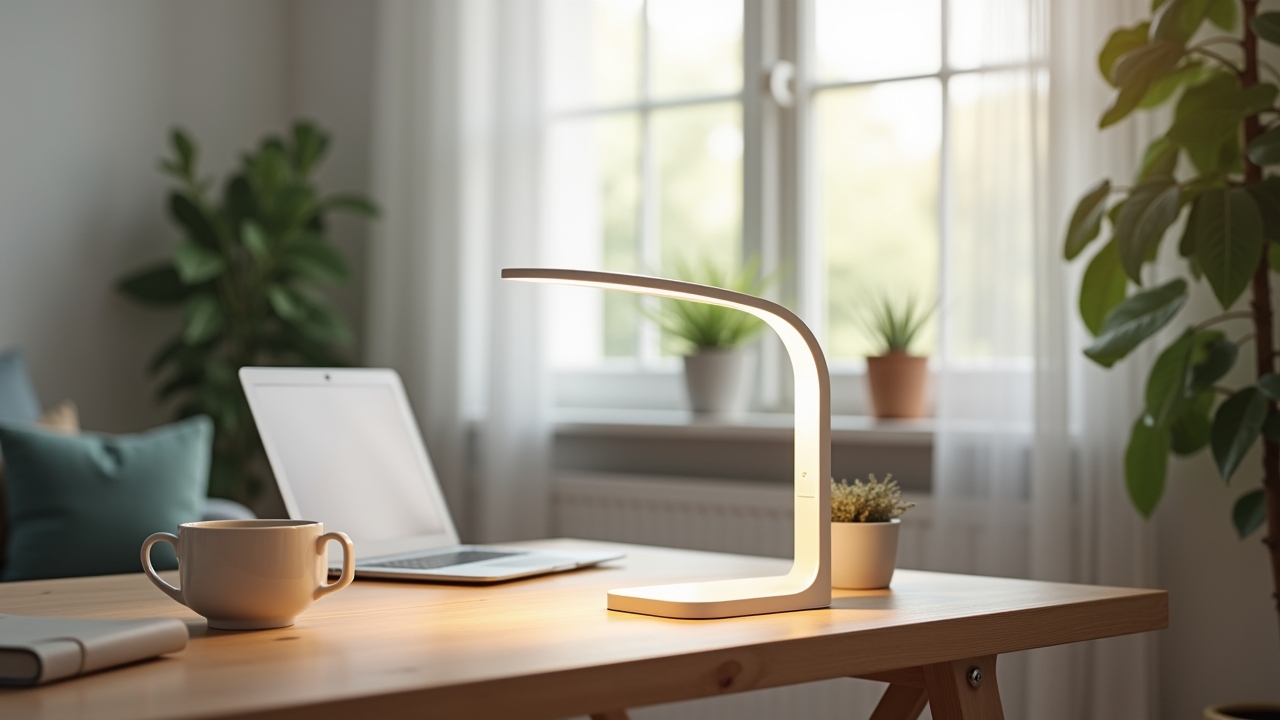
I get this question a lot, and it’s a fair one. Not everyone lives in sunny California. During winter months, I personally use a light therapy lamp rated at 10,000 lux for about 20 minutes right after waking up. It’s not identical to real sunlight, but it does a solid job of telling your brain it’s morning.
One mistake I made was buying a cheap lamp that was only 2,500 lux. Barely did anything. You really want that 10,000 lux rating, and you want to position it at about arm’s length from your face — not staring directly into it, just having it in your peripheral vision.
The Ripple Effect on Sleep Quality
Here’s what surprised me the most. It wasn’t just about falling asleep faster. My overall sleep quality improved — deeper sleep, fewer wake-ups in the middle of the night, and I actually felt rested in the morning for the first time in forever. My sleep latency dropped from about 45 minutes to under 15.
Morning sunlight exposure also helped regulate my cortisol levels. You want cortisol to peak in the morning and taper off throughout the day. When that rhythm is off, you feel wired at night and groggy in the morning — which was basically my entire personality for two years.
One Small Change, Seriously Big Results
Look, I’ve tried a lot of sleep hacks over the years. Weighted blankets, magnesium supplements, sleep podcasts — you name it. Morning sunlight for sleep is the one thing that made the most noticeable, consistent difference. And it’s free, which is a nice bonus.
That said, everyone’s situation is different. If you have a diagnosed sleep disorder like insomnia or sleep apnea, morning light exposure is a great complement but probably not a standalone fix — definitely talk to a healthcare professional about that. And please don’t stare directly at the sun, even in the morning. Just let the ambient light do its thing.
If you found this helpful, there’s a ton more practical sleep tips waiting for you over at Sleepora Lab. Go poke around — your future well-rested self will thank you.