Advertisements
Here’s a stat that honestly blew my mind: the global wearable tech market is expected to hit over $230 billion by 2032. That’s insane! And right at the center of that boom, two devices keep coming up in every conversation I have with friends, coworkers, and random people at the gym — the Oura Ring and the Whoop strap. I’ve worn both for months now, and let me tell you, choosing between them wasn’t easy.
If you’re stuck deciding between the Oura Ring and the Whoop band, I totally get it. Both are premium health trackers, both promise to optimize your recovery and sleep, and both have passionate fan bases. So let’s break this down based on what I actually experienced wearing them.
Design and Comfort: One You Forget, One You Don’t
Okay, this is where the Oura Ring wins me over immediately. It’s a ring. You put it on and literally forget it’s there within a day or two. I remember the first week I wore my Oura Ring Gen 3 — a colleague asked me about my “wedding band” and I had to explain it was actually a sleep tracker.
The Whoop, on the other hand, is a strap you wear on your wrist (or bicep with an accessory). It’s not uncomfortable, but you definitely know it’s there. During summer, the band got kinda sweaty and I had to wash it more often than I’d like. Still, some people actually prefer the wristband form factor because it feels more like a “real” fitness device.
Sleep Tracking: Where Things Get Interesting
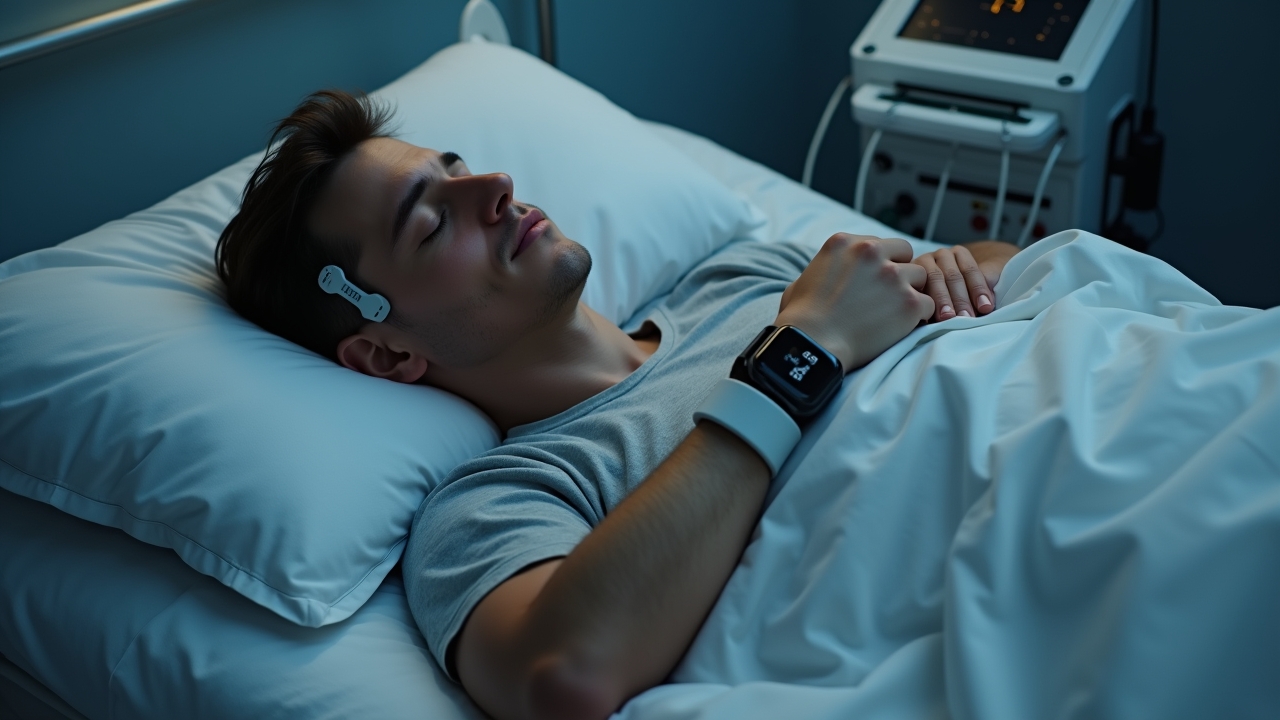
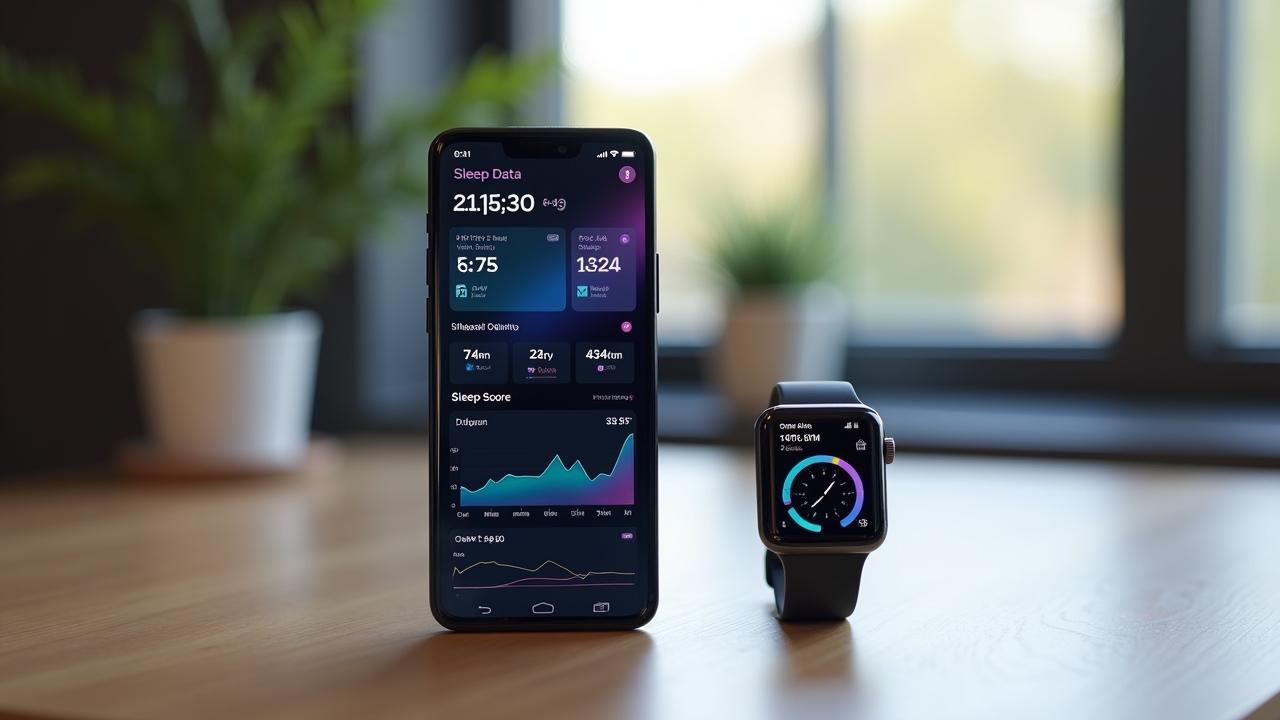
Both devices track sleep stages, heart rate variability (HRV), resting heart rate, and skin temperature. But the way they present that data is pretty different. Oura gives you a daily “Readiness Score” that factors in your sleep quality, and honestly, it became slightly addictive for me to check every morning.
Whoop uses a “Recovery Score” that’s somewhat similar but leans heavier into strain and athletic performance. I found Whoop’s sleep tracking to be solid, but Oura’s felt more nuanced — especially with the temperature trending feature that once flagged that I was probably getting sick before I even felt symptoms. That was a genuine “whoa” moment for me.
Fitness and Activity Tracking
Here’s where Whoop pulls ahead, no question. Whoop’s strain coach and daily strain score are built for people who train hard. If you’re into CrossFit, running, cycling, or any intense sport, Whoop gives you way more actionable workout data than Oura does.
Advertisements
Oura added an activity tracking feature, but it still feels like an afterthought compared to its sleep and recovery insights. I made the mistake of relying solely on Oura during a half-marathon training block and honestly wished I had the Whoop’s real-time strain feedback. Lesson learned the hard way.
Pricing and Subscription Models
This is where things get a little annoying for both. The Oura Ring costs around $299-$549 upfront depending on the style, plus a $5.99/month subscription to unlock all features. Whoop has no upfront hardware cost but requires a membership starting at around $30/month (with annual commitments bringing it down).
Over two years, Whoop can actually end up costing more. I did the math on a napkin one night and was genuinely surprised. Neither pricing model is perfect, but it’s worth considering your budget and how long you plan to use the device.
So Which One Should You Actually Pick?
After wearing both, here’s my honest take. Choose Oura if sleep optimization, recovery insights, and discretion matter most to you. Choose Whoop if you’re a serious athlete who wants detailed strain and workout analytics. There’s no universally “better” device — it really depends on your lifestyle and what data matters most to you.
Whatever you choose, just remember that no wearable replaces listening to your own body. These are tools, not magic. If you found this comparison helpful and want to dive deeper into sleep health, recovery science, and wearable tech reviews, head over to the Sleepora Lab blog — we’ve got plenty more where this came from!