Advertisements
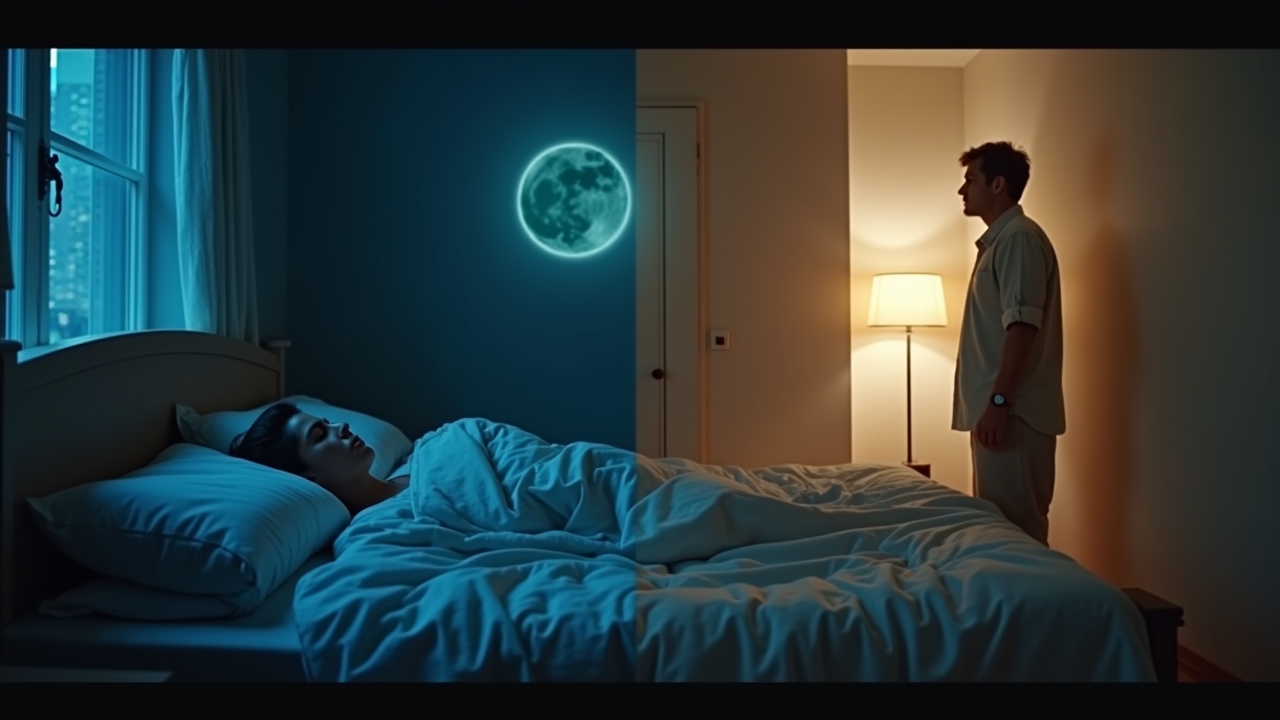
Here’s a wild stat that honestly blew my mind when I first came across it: some people spend the entire night convinced they didn’t sleep a single minute, yet sleep studies show they actually got six or seven hours. I remember sitting in my doctor’s office a few years back, practically begging her to believe me when I said I hadn’t slept in three days. Turns out, I was sleeping — my brain just refused to acknowledge it!
That experience led me down a rabbit hole into something called paradoxical insomnia, and honestly, understanding it changed everything for me. If you’ve ever felt like you’re lying awake all night while your partner insists you were snoring, this one’s for you.
So What Exactly Is Paradoxical Insomnia?
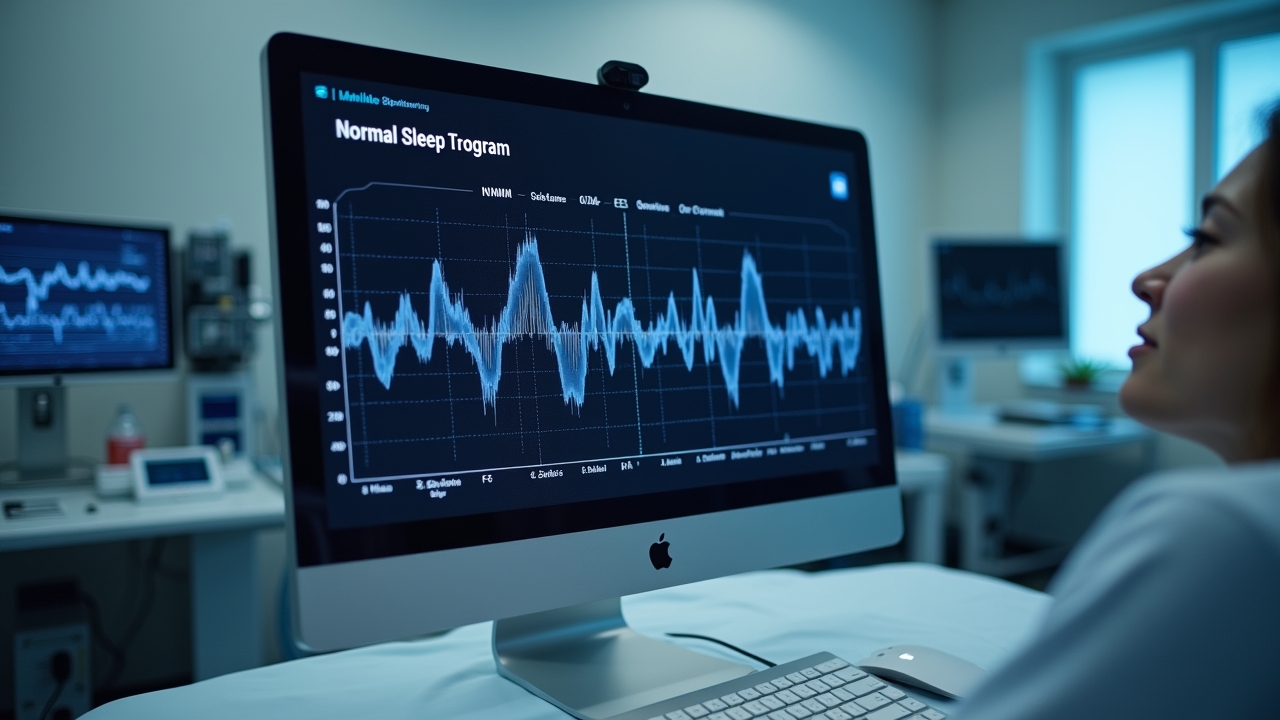
Paradoxical insomnia — sometimes called sleep state misperception — is a type of insomnia where you genuinely feel like you’re not sleeping, even though objective measurements say otherwise. It’s not that you’re making it up or being dramatic. Your subjective sleep experience simply doesn’t match the reality that a polysomnography test would reveal.
Think of it like this: your body clocks out and enters sleep stages normally, but some part of your brain keeps the “awareness lights” on. It’s incredibly frustrating because the exhaustion and distress you feel are totally real, even if the sleep deprivation technically isn’t.
Why Does It Happen? The Stuff Nobody Tells You
Honestly, researchers are still figuring this out. But one leading theory involves hyperarousal — basically, your nervous system stays in a heightened state even during sleep. I’ve read studies from the Journal of Clinical Sleep Medicine suggesting that people with paradoxical insomnia show increased high-frequency brain activity during sleep, which could explain why it feels like you’re awake.
Anxiety plays a massive role too, and I can vouch for that personally. During a particularly stressful semester at work — I teach middle school, so you can imagine — my sleep perception went completely haywire. I’d lie down, my thoughts would race, and by morning I was convinced I hadn’t slept at all.
Other contributing factors include chronic stress, poor sleep hygiene, and sometimes even an obsessive focus on monitoring your own sleep. Yep, those sleep tracker apps can actually make things worse for some of us.
Advertisements
How Is It Different From Regular Insomnia?
With classic insomnia, both your perception and the data agree — you’re not getting enough sleep, period. But with paradoxical insomnia, there’s a mismatch between what you experience and what’s actually happening physiologically. The Sleep Foundation has a great breakdown of insomnia subtypes if you want to dig deeper.
One mistake I made early on was assuming all insomnia was the same and trying the same fixes for everything. Spoiler: that didn’t work so well.
What Actually Helped Me (And Might Help You)
First thing — and I cannot stress this enough — is cognitive behavioral therapy for insomnia, or CBT-I. It’s considered the gold standard treatment and it was a game changer for me. A therapist helped me reframe my relationship with sleep instead of just throwing pills at the problem.
Here are a few other things that made a real difference:
- I stopped clock-watching at night — seriously, turn that phone face-down.
- I ditched my sleep tracker for a few months to reduce sleep-related anxiety.
- Relaxation techniques like progressive muscle relaxation before bed helped calm my hyperaroused nervous system.
- I kept a consistent wake-up time, even on weekends, which was brutal at first but worth it.
Also, talking to a sleep specialist was been one of the best decisions I ever made. Sometimes you just need someone who gets it.
The Takeaway You’ll Actually Remember
Paradoxical insomnia is real, it’s valid, and you’re not losing your mind if you experience it. The distress is genuine even when the sleep loss isn’t what it seems. Understanding that distinction was honestly the first step toward feeling better for me.
Everyone’s sleep journey looks different, so take what resonates from this and adapt it to your situation. And please, if things feel unmanageable, talk to a healthcare professional — don’t just power through it like I tried to do for way too long.
If this topic hit home for you, head over to the Sleepora Lab blog for more posts on sleep disorders, better rest strategies, and everything in between. You deserve a good night’s sleep — even if your brain’s been telling you otherwise!