Advertisements
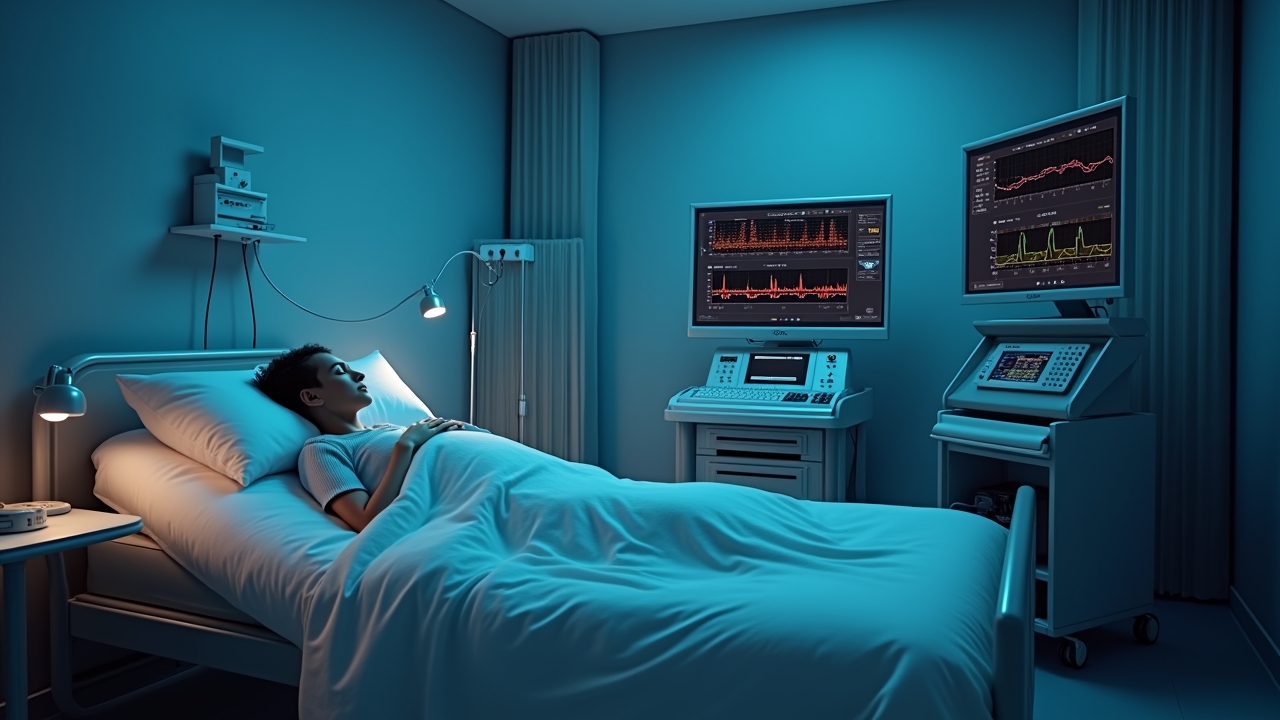
Here’s a wild stat that honestly blew my mind when I first stumbled across it: the average person spends about 7 minutes falling asleep. Seven! I remember lying in bed one Tuesday night, staring at the ceiling for what felt like an eternity, and thinking something was seriously wrong with me. Turns out, understanding your sleep latency normal range is one of the most underrated tools for figuring out what’s going on with your sleep health.
So What Exactly Is Sleep Latency?
Sleep latency is just a fancy term for how long it takes you to transition from full wakefulness to sleep. That’s it. Nothing scary, nothing complicated — it’s literally the time between your head hitting the pillow and you actually zonking out.
I used to confuse this with sleep onset, which is basically the same thing, but sleep latency is the measured duration used in clinical settings like the Multiple Sleep Latency Test (MSLT). Doctors actually use this metric to diagnose conditions like narcolepsy and idiopathic hypersomnia. Pretty important stuff, right?
What’s Considered a Normal Sleep Latency Range?
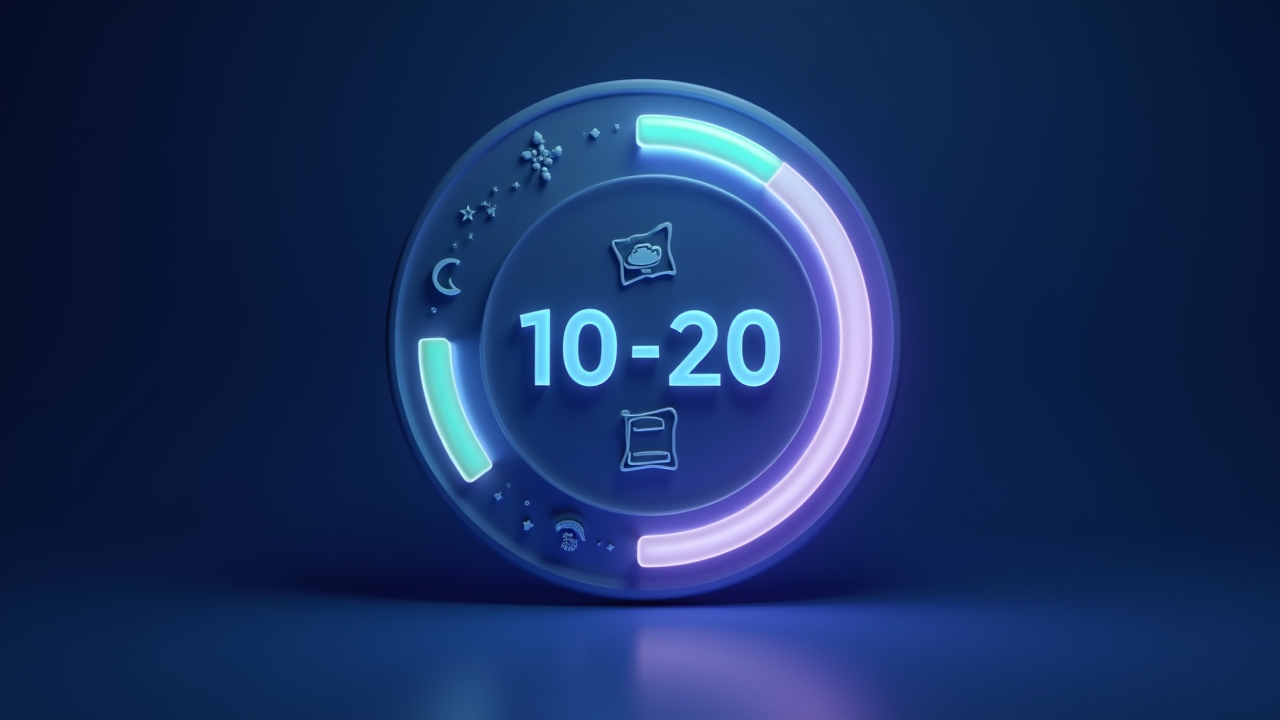
Okay, here’s the part most people are searching for. A healthy sleep latency typically falls between 10 to 20 minutes. If you’re consistently falling asleep within that window, congratulations — your sleep drive and circadian rhythm are probably doing their thing just fine.
Now, here’s where it gets interesting. Falling asleep in less than 5 minutes might sound like a superpower, but it’s actually a red flag. It often signals excessive daytime sleepiness or severe sleep deprivation — something I learned the hard way during my first year of teaching when I was running on like four hours a night and could pass out anywhere.
On the flip side, if it’s consistently taking you longer than 30 minutes to fall asleep, that could point to insomnia or heightened arousal before bed. Both extremes deserve attention, honestly.
Factors That Mess With Your Sleep Latency
I’ve been tracking my own sleep onset time for about two years now, and let me tell you — the list of things that affect it is longer than you’d think. Here are the big ones I’ve personally noticed:
Advertisements
- Caffeine timing — I had to quit my 3 PM coffee habit. It was adding 20+ minutes to my fall-asleep time.
- Screen exposure — Blue light from phones and laptops suppresses melatonin production. I was guilty of doom-scrolling until midnight.
- Stress and anxiety — Racing thoughts are the worst. My sleep latency would skyrocket during exam grading season.
- Room temperature — Keeping the bedroom around 65-68°F made a noticeable difference for me.
- Irregular sleep schedule — Going to bed at different times every night confuses your internal clock something fierce.
How to Actually Measure Your Sleep Latency at Home
You don’t need a sleep lab to get a rough idea. There’s this old-school trick I read about called the spoon test — you hold a metal spoon over a plate while lying in bed, and when you fall asleep, the spoon drops and wakes you up. Then you check the time. Kinda genius, kinda ridiculous.
Nowadays, wearable sleep trackers like the Oura Ring or even a decent smartwatch can estimate your sleep onset latency pretty reliably. I started using one about a year ago and it was honestly eye-opening to see the actual data versus what I thought was happening.
Tips That Actually Helped Me Improve Mine
After a lot of trial and error — and I mean a LOT — here’s what moved the needle for me. First, I committed to a consistent bedtime, even on weekends. Sucked at first, but my body adapted within about two weeks.
Second, I started a simple wind-down routine: dim lights, no screens for 30 minutes, and some light stretching. Nothing fancy. Third, cognitive behavioral therapy for insomnia (CBT-I) techniques like stimulus control were a game changer — basically, if I wasn’t asleep in 20 minutes, I’d get up and do something boring until I felt sleepy again.
Your Sleep Latency Is Trying to Tell You Something
Look, tracking how long it takes you to fall asleep isn’t just nerdy sleep science — it’s a genuine window into your overall sleep quality and wellbeing. Whether you’re falling asleep too fast or tossing and turning for ages, that number matters more than most people realize.
Everyone’s different though, so take what works from this and adapt it to your own life and habits. And if things feel really off, please talk to a healthcare professional — don’t just self-diagnose on the internet (guilty as charged, I know). For more deep dives into sleep topics like this, come hang out with us over at Sleepora Lab — we’ve got tons of posts that might help you finally get the rest you deserve!