
Sleep Restriction Therapy: How Spending Less Time in Bed Actually Saved My Sleep
Advertisements
Here’s a stat that honestly blew my mind: roughly 30% of adults deal with some form of insomnia, and most of us just… suffer through it. I was one of those people for nearly two years, lying in bed for nine or ten hours a night and maybe sleeping five of them. Then a therapist introduced me to sleep restriction therapy, and I thought she was absolutely nuts. Spend less time in bed when I’m already not sleeping enough? But here’s the thing — it worked, and I’m kicking myself for not trying it sooner!
What Exactly Is Sleep Restriction Therapy?
Sleep restriction therapy, sometimes called SRT, is a behavioral technique that’s part of cognitive behavioral therapy for insomnia (CBT-I). The basic idea is pretty counterintuitive — you limit your time in bed to match the actual number of hours you’re sleeping. So if you’re only getting five hours of real sleep but spending eight hours tossing and turning, your new “sleep window” becomes just five hours.
The goal is to build up something called sleep drive, which is basically your body’s natural pressure to fall asleep. By compressing your time in bed, you create mild sleep deprivation that makes it way easier to fall asleep quickly and stay asleep. Over time, once your sleep efficiency improves, you gradually extend your sleep window by 15-to-30-minute increments.
My First Week Was Brutal (But Worth It)
I’m not gonna sugarcoat it. When my therapist told me I could only be in bed from midnight to 5 a.m., I was miserable that first week. I’d sit on the couch at 11 p.m. with heavy eyelids, desperately wanting to crawl under the covers, but the rules said no.
The daytime sleepiness was rough too. I remember almost dozing off during a staff meeting — real embarrassing stuff. But by night three or four, something shifted. When midnight finally hit and I got into bed, I was out like a light within minutes. That hadn’t happened in months, and the feeling of actually falling asleep fast was honestly euphoric.
How to Actually Do Sleep Restriction Therapy
If you’re considering trying this, here’s how the process generally works based on what I learned and what’s recommended by clinical research on sleep restriction:
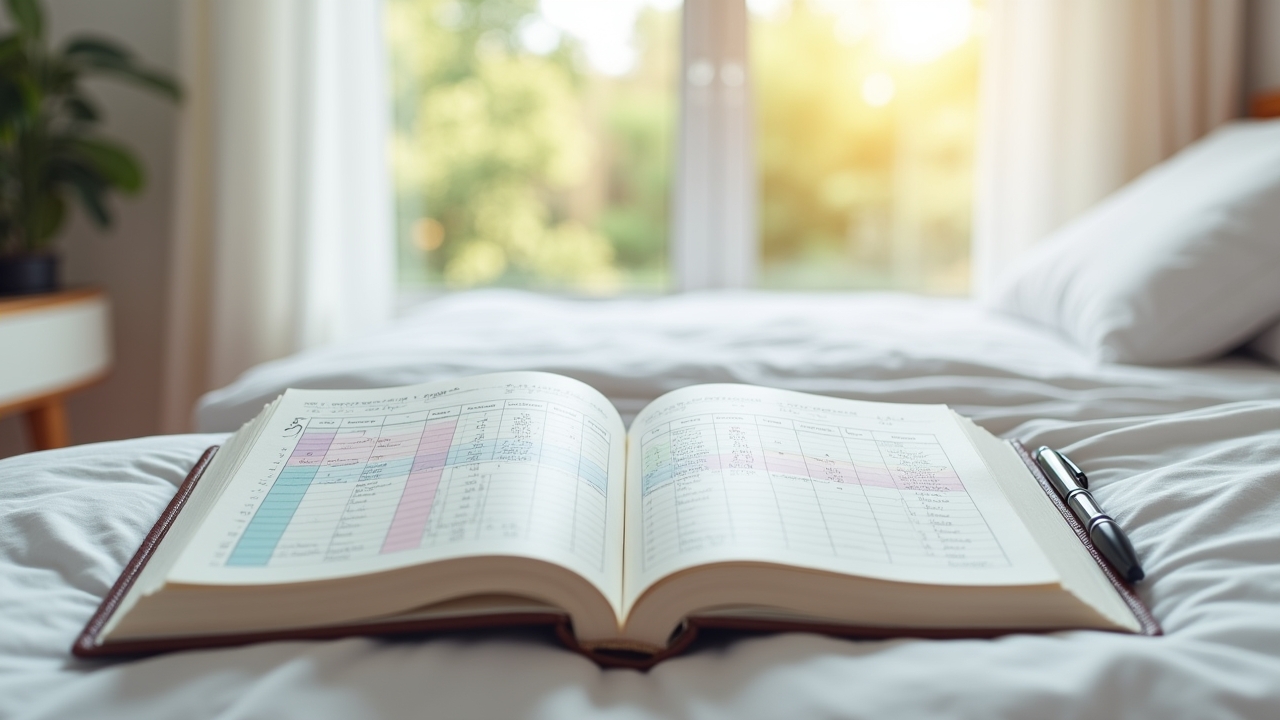
- Keep a sleep diary for one to two weeks to figure out your average total sleep time.
- Set your time in bed equal to that average (but never below five hours — that’s the floor).
- Pick a fixed wake-up time and stick to it every single day, weekends included.
- Calculate your bedtime by counting backwards from your wake time.
- Track your sleep efficiency — that’s total sleep time divided by time in bed, multiplied by 100.
- When your sleep efficiency hits 85% or higher for five consecutive days, add 15-30 minutes to your sleep window.
- If it drops below 80%, reduce your window again slightly.
One mistake I made early on was being inconsistent with my wake time on Saturdays. Big no-no. Consistency is like the backbone of this whole method, and breaking it even once can set you back.
Advertisements
Who Should (and Shouldn’t) Try This
Sleep restriction therapy is considered one of the most effective non-medication treatments for chronic insomnia. That said, it’s not for everyone. If you have conditions like epilepsy, bipolar disorder, or untreated sleep apnea, the temporary sleep deprivation could actually be dangerous. It’s also not recommended if you do shift work that requires peak alertness or operate heavy machinery — the first couple weeks can make you pretty groggy.
Honestly, the safest route is working with a trained sleep specialist or therapist who knows CBT-I. I tried doing it solo at first using a random article I found, and I messed up my schedule because I didn’t understand the adjustment rules properly. Having professional guidance made all the difference.
The Part Nobody Talks About: It Gets Better Fast
After about three weeks, my sleep window had expanded to six and a half hours, and I was sleeping through almost all of it. No more staring at the ceiling at 2 a.m. wondering why my brain wouldn’t shut off. My sleep efficiency was consistently above 90%, which felt like a small victory every morning when I logged it in my diary.
The thing that surprised me most was how this changed my relationship with my bed. Before SRT, my bed had become this anxiety-triggering place where I’d just worry about not sleeping. Now it actually felt like a place for rest again. That psychological shift was honestly just as valuable as the extra sleep itself.
Your Sleep Is Worth Fighting For
Look, sleep restriction therapy isn’t a magic pill, and those first few days can feel like torture. But if you’ve been dealing with insomnia and nothing else has worked, this evidence-based approach might be the reset your body needs. Just please — talk to a healthcare provider before starting, especially if you have any underlying health conditions. Everyone’s sleep issues are a little different, so what worked for me might need tweaking for you.
If you found this helpful and want to keep learning about better sleep habits, head over to Sleepora Lab where we’re always diving into practical, science-backed ways to finally get the rest you deserve. Sweet dreams — for real this time!