Advertisements
Here’s a wild stat that honestly kept me up at night (ironic, I know): the CDC reports that roughly 1 in 3 American adults don’t get enough sleep. I was absolutely one of them for years. My evenings used to look like doom-scrolling TikTok until my eyes burned, then wondering why I felt like a zombie every morning. It wasn’t until I built an actual evening routine for better sleep that things changed dramatically for me!
Look, I’m not gonna pretend I figured this out overnight. It took me months of trial and error, some embarrassing failures, and a lot of patience. But the payoff? Totally worth it.
Why Your Pre-Sleep Habits Matter More Than You Think
So here’s the thing — your body doesn’t have an on/off switch. You can’t just expect to go from answering work emails at 10:45 PM to falling peacefully asleep at 11. Your brain needs a wind-down period, kind of like how you cool down after a workout.
Sleep researchers call this sleep hygiene, and it’s basically just the collection of habits and environmental factors that set you up for quality rest. I used to think sleep hygiene was some fancy term doctors threw around to sound smart. Turns out, it’s legit science.
When I finally committed to a nighttime routine, my sleep latency — that’s how long it takes you to fall asleep — dropped from like 45 minutes to around 15. No joke.
Set a Consistent Bedtime (Even on Weekends, Yeah I Know)
This one was the hardest for me. I’m a night owl by nature, and weekends were my time to stay up binge-watching whatever show had me hooked. But your circadian rhythm doesn’t care about your Netflix queue.
I started going to bed at 10:30 PM every single night. The first two weeks were rough — I just laid there staring at the ceiling feeling annoyed. But eventually my body got the memo, and now I actually start feeling sleepy around 10 PM naturally. Consistency is seriously the secret sauce here.
Advertisements
Ditch the Screens at Least 30 Minutes Before Bed
Okay, I’ll be honest — I still struggle with this one sometimes. But the blue light from screens genuinely messes with your melatonin production. I learned this the hard way after tracking my sleep with a cheap fitness tracker and seeing how terrible my deep sleep was on phone-heavy nights.
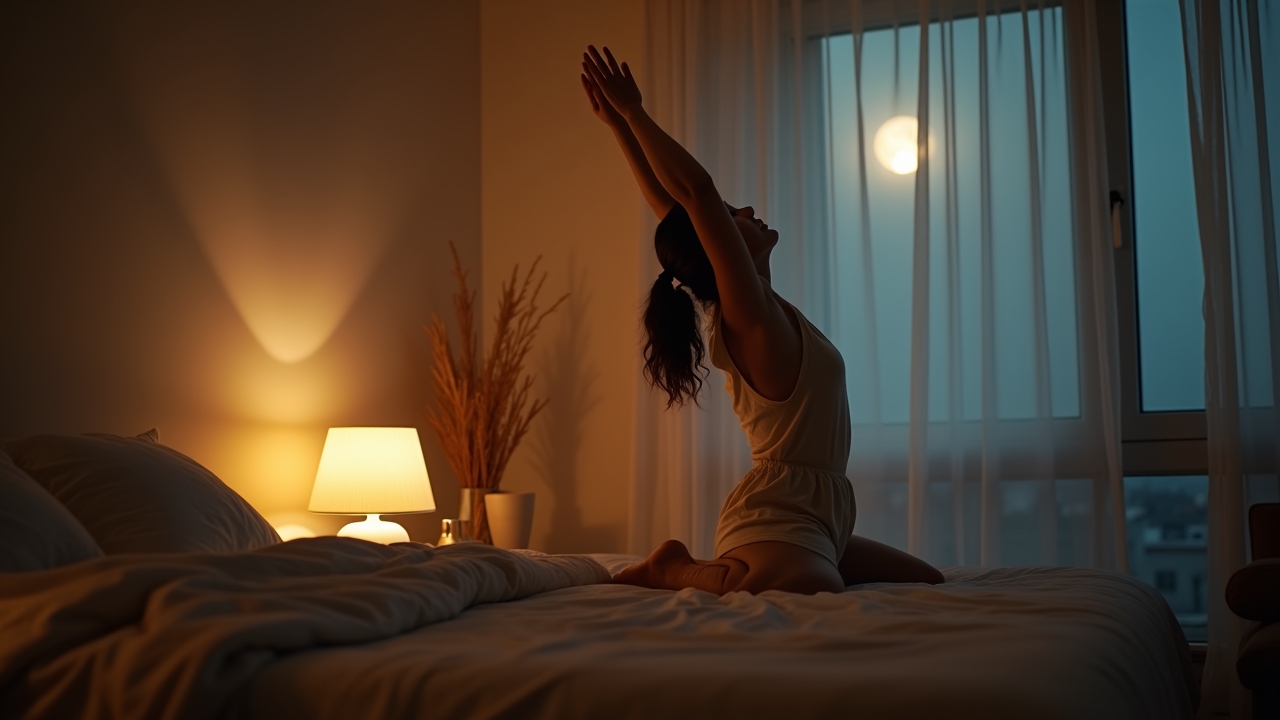
What helped me was replacing scrolling with something else. I picked up reading actual paper books again — remember those? I also started doing some light stretching, which honestly became one of the best parts of my bedtime routine.
Create a Relaxation Ritual That’s Actually Yours
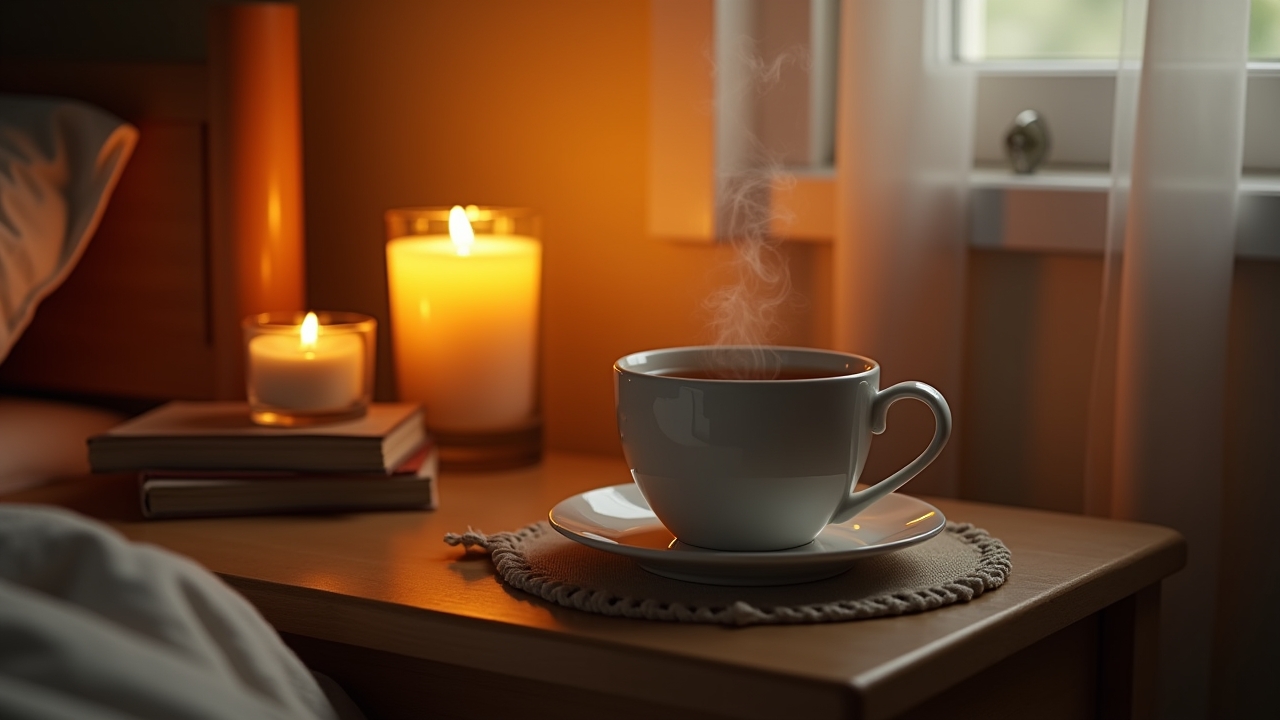
Everyone’s relaxation techniques are gonna look different, and that’s fine. For me, what works is a warm shower about an hour before bed, followed by some chamomile tea, and then 10 minutes of journaling. The journaling part was a game-changer because I used to lay in bed with my brain just racing through tomorrow’s to-do list.
Some folks swear by meditation or deep breathing exercises. My buddy does progressive muscle relaxation every night and says it knocked him out faster than anything else. The point is — find what calms YOUR nervous system down.
Watch What You Eat and Drink After 7 PM
I made the mistake of having coffee at like 5 PM once, thinking it would be fine. Spoiler: it was not fine. Caffeine has a half-life of about 5-6 hours, which means half of it is still partying in your system way past bedtime.
Heavy meals late at night were also wrecking my sleep quality without me realizing it. Now I try to eat dinner by 7 and keep any later snacks super light — maybe some almonds or a banana. Alcohol’s another sneaky one; it might make you feel drowsy initially but it actually disrupts your REM sleep pretty badly.
Make Your Bedroom a Sleep Sanctuary
Your sleep environment matters way more than people give it credit for. I invested in blackout curtains, got a decent pillow (after years of using one that was basically flat as a pancake), and started keeping my bedroom temperature around 65-68°F. The Sleep Foundation recommends a cool, dark, and quiet room — and they ain’t wrong.
One small thing that helped was removing my work laptop from the bedroom entirely. My brain started associating the room with sleep instead of stress. It sounds simple but it was weirdly effective.
Your Turn to Build Something That Works
Here’s what I want you to take away from all this — there’s no single perfect evening routine for better sleep. What worked for me might not work exactly for you, and that’s completely okay. The important thing is that you start experimenting tonight. Pick two or three things from this list and try them for a couple weeks.
And please, if you’ve been dealing with serious insomnia or sleep disorders for a long time, talk to a healthcare professional. A bedtime routine is powerful, but it’s not a replacement for medical advice when something deeper is going on.
If you found this helpful, we’ve got a bunch more practical sleep tips and guides over at Sleepora Lab. Go poke around — your future well-rested self will thank you!