Advertisements
Here’s a stat that honestly blew my mind: the average person spends about 26 years of their life sleeping. Twenty-six years! So when I first strapped on a sleep tracker a few years back, I figured I’d finally get the real scoop on what was happening during all those hours. Specifically, I became obsessed with my deep sleep numbers. But then I started wondering — how accurate is this thing, really? If you’ve ever stared at your sleep tracker deep sleep accuracy data and thought “there’s no way that’s right,” trust me, you’re not alone.
What Deep Sleep Actually Is (And Why We Care So Much)
Deep sleep, also called slow-wave sleep, is basically the stage where your body does its heavy-duty repair work. We’re talking muscle recovery, immune system boosting, and memory consolidation. It’s the good stuff.
Most adults need roughly 1 to 2 hours of deep sleep per night. I remember seeing my Fitbit tell me I only got 30 minutes one night and completely panicking. Turns out, the story was a bit more complicated than that little number on my wrist suggested.
How Consumer Sleep Trackers Measure Deep Sleep
Most wearable sleep trackers — whether it’s an Apple Watch, Oura Ring, or Garmin — use a combination of accelerometers and heart rate sensors to estimate your sleep stages. They track things like movement, heart rate variability, and sometimes even skin temperature. Then an algorithm crunches all that data and spits out your sleep stage breakdown.
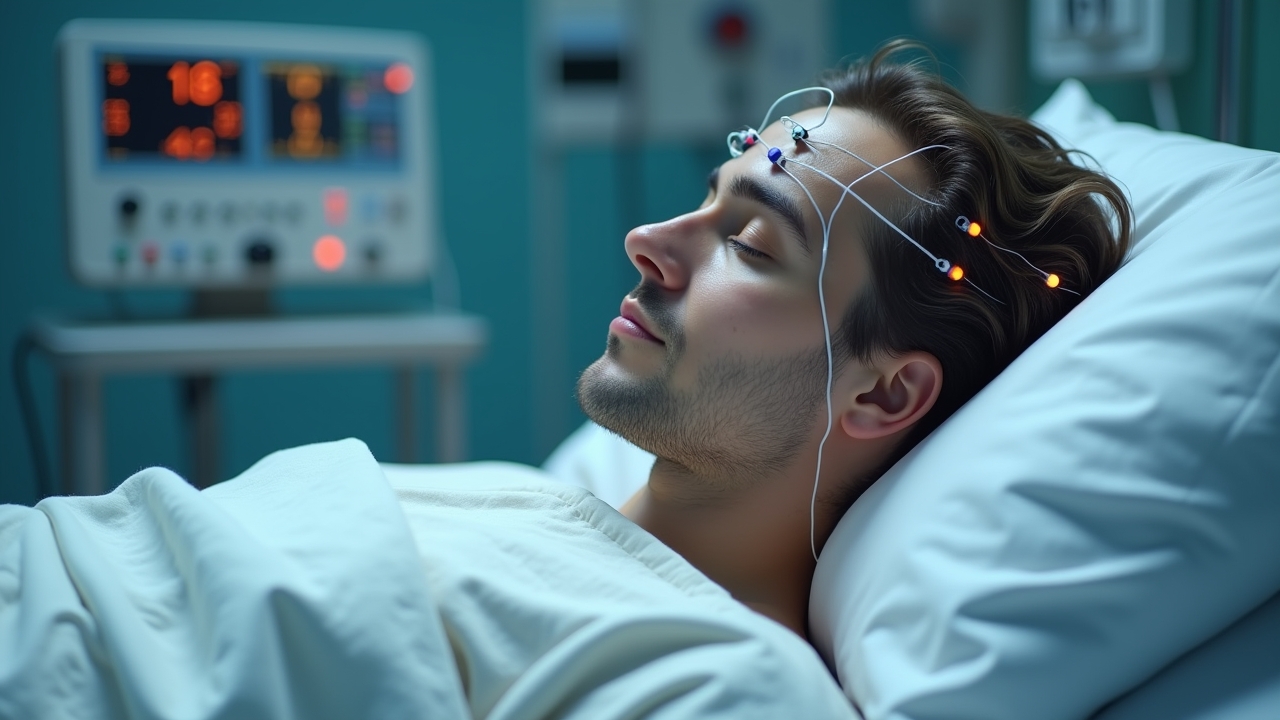
Here’s the thing though. The gold standard for sleep measurement is called polysomnography (PSG), which is done in a sleep lab with electrodes attached to your scalp. It measures actual brainwave activity. Your wrist gadget? It’s basically making educated guesses based on proxy signals.
So How Accurate Are They, Really?
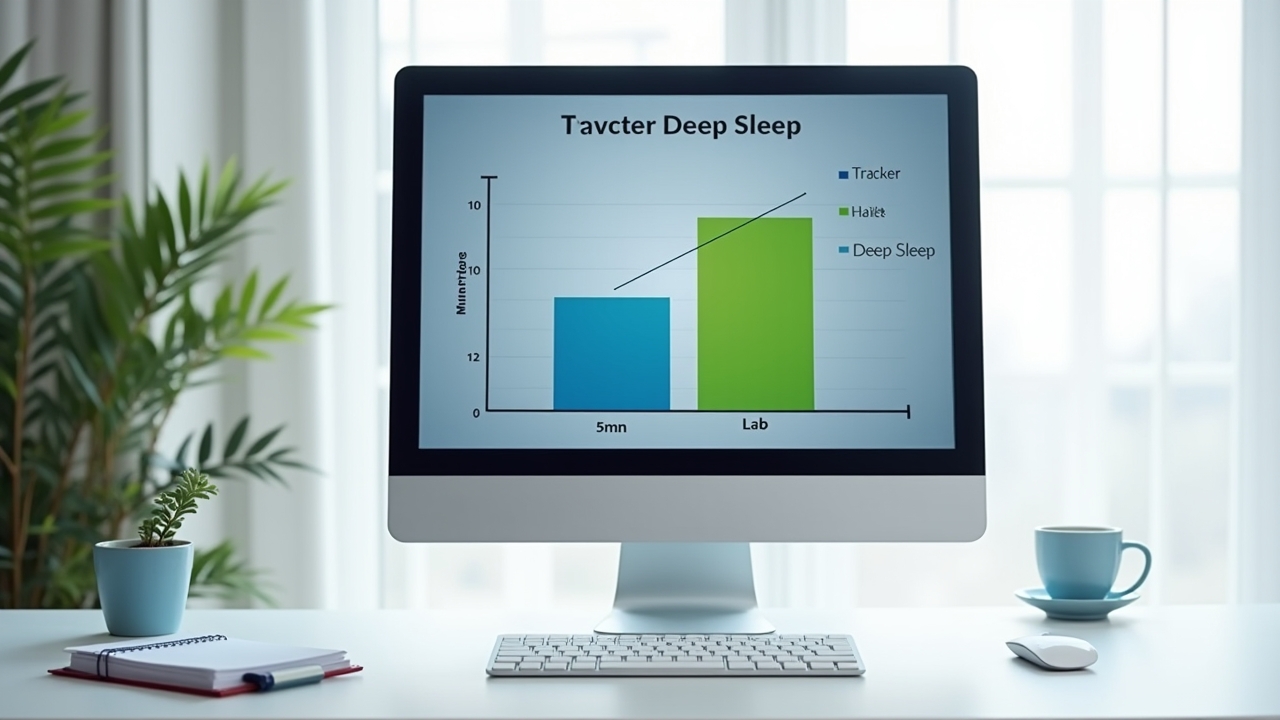
I dove deep into the research on this one. A 2021 study published in Nature and Science of Sleep found that most consumer wearables are pretty decent at detecting when you’re asleep versus awake. But — and this is a big but — they struggle significantly with individual sleep stage classification, especially deep sleep.
Most trackers tend to overestimate or underestimate deep sleep by a noticeable margin. My own experience backs this up completely. One week I wore both an Oura Ring and a Fitbit, and the deep sleep numbers were wildly different on some nights — like 45 minutes on one and 1 hour 20 minutes on the other for the same exact night of sleep.
Advertisements
That was frustrating, not gonna lie. I had been adjusting my entire bedtime routine based on those numbers.
What I Learned to Actually Do With the Data
After my little two-tracker experiment, I changed my approach. Instead of obsessing over the exact minutes of deep sleep, I started looking at trends over time. That’s where these devices actually shine. If your deep sleep trend is consistently dropping week over week, something is probably off — maybe stress, alcohol, or a lousy sleep environment.
Here are the practical tips that actually helped me improve my deep sleep tracking experience:
- Look at weekly and monthly trends instead of nightly numbers.
- Keep your tracker’s firmware and app updated — algorithms get better over time.
- Wear your device consistently and snug on your wrist for more reliable readings.
- Don’t compare numbers across different brands; they use different algorithms.
- Use your sleep data alongside how you actually feel in the morning.
A Quick Side Note on Newer Tech
Some newer devices are getting closer to clinical-grade accuracy. The Oura Ring Gen 3, for example, added blood oxygen sensing and improved temperature tracking which helps its sleep staging. It’s not perfect, but it’s getting better. Still not a replacement for a real sleep study if you suspect a disorder like sleep apnea, though.
The Bigger Picture Before You Go
Look, sleep tracker deep sleep accuracy isn’t perfect — and that’s okay. These gadgets are tools, not diagnostic devices. They’re best used for spotting patterns and keeping you accountable, not for self-diagnosing sleep disorders. If something feels genuinely wrong with your sleep, please talk to a doctor and maybe get a proper sleep study done.
Play around with the data, experiment with your sleep habits, and figure out what works for your body. And if you found this helpful, come hang out with us at Sleepora Lab — we’ve got a ton more posts on sleep tech, better rest strategies, and all the nerdy sleep science you could want.